
Last updated November 22, 2026
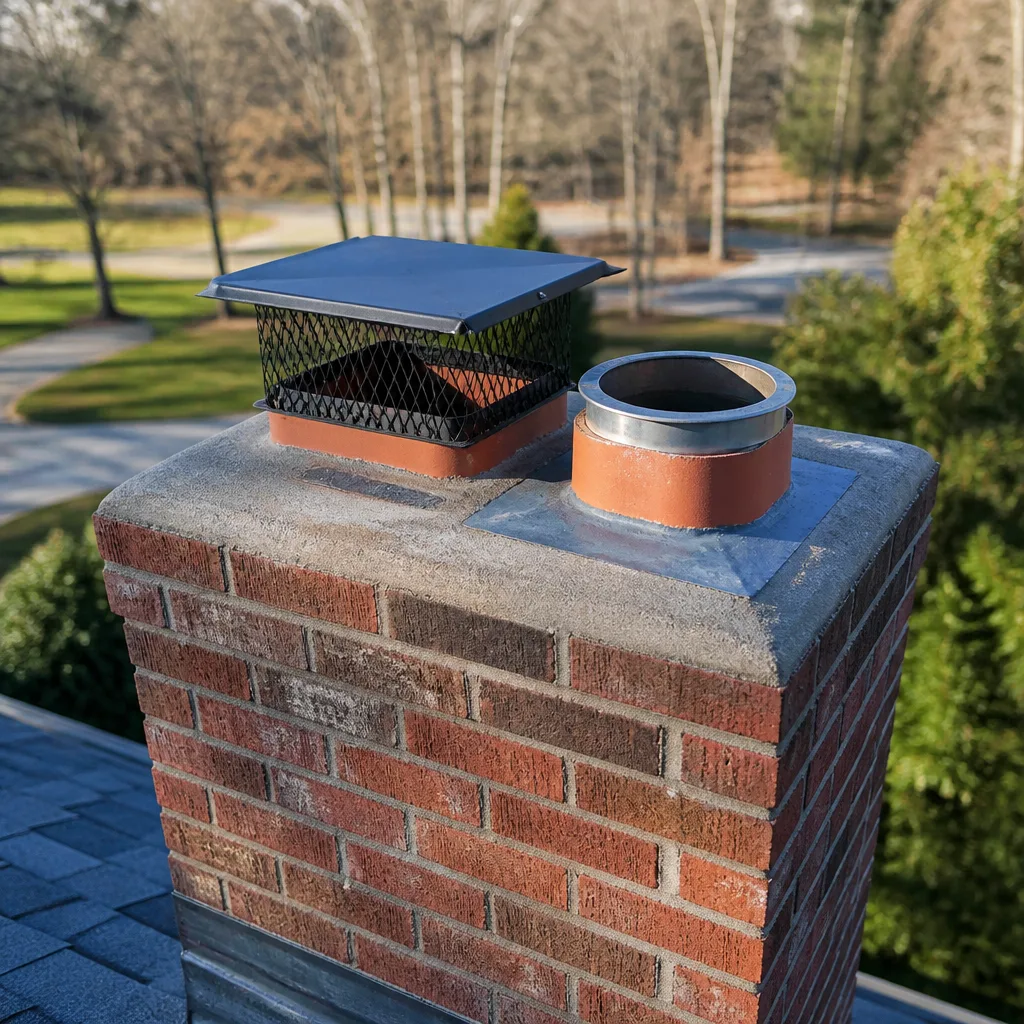 Sweep & inspection
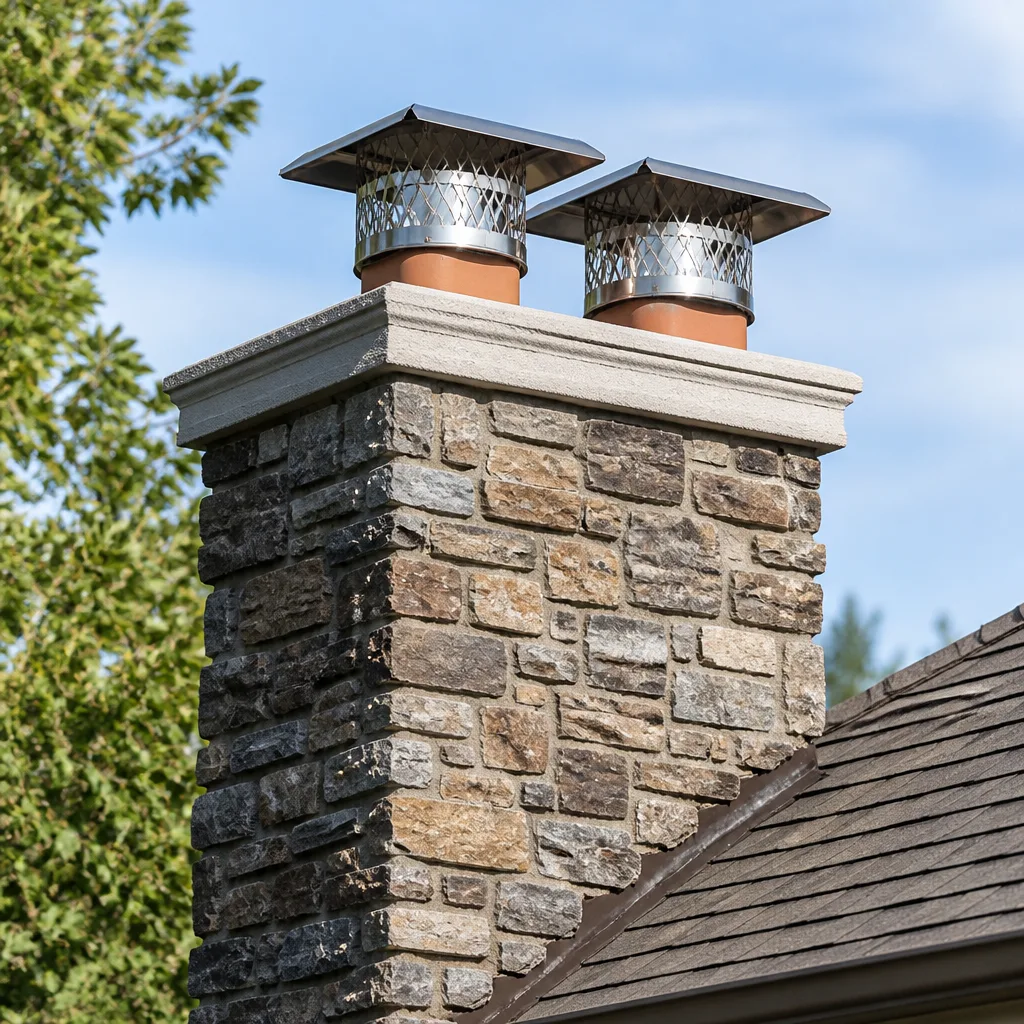 Caps & crowns
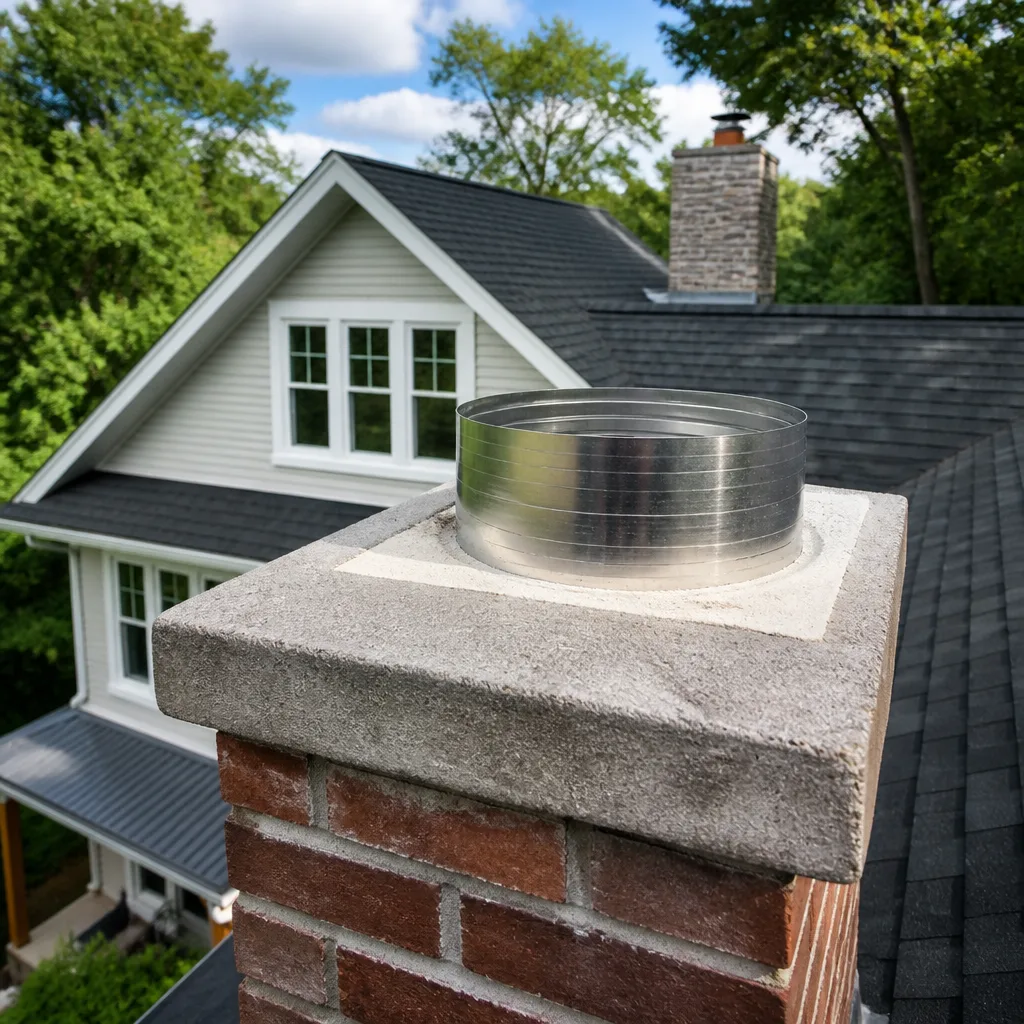 Flue relining
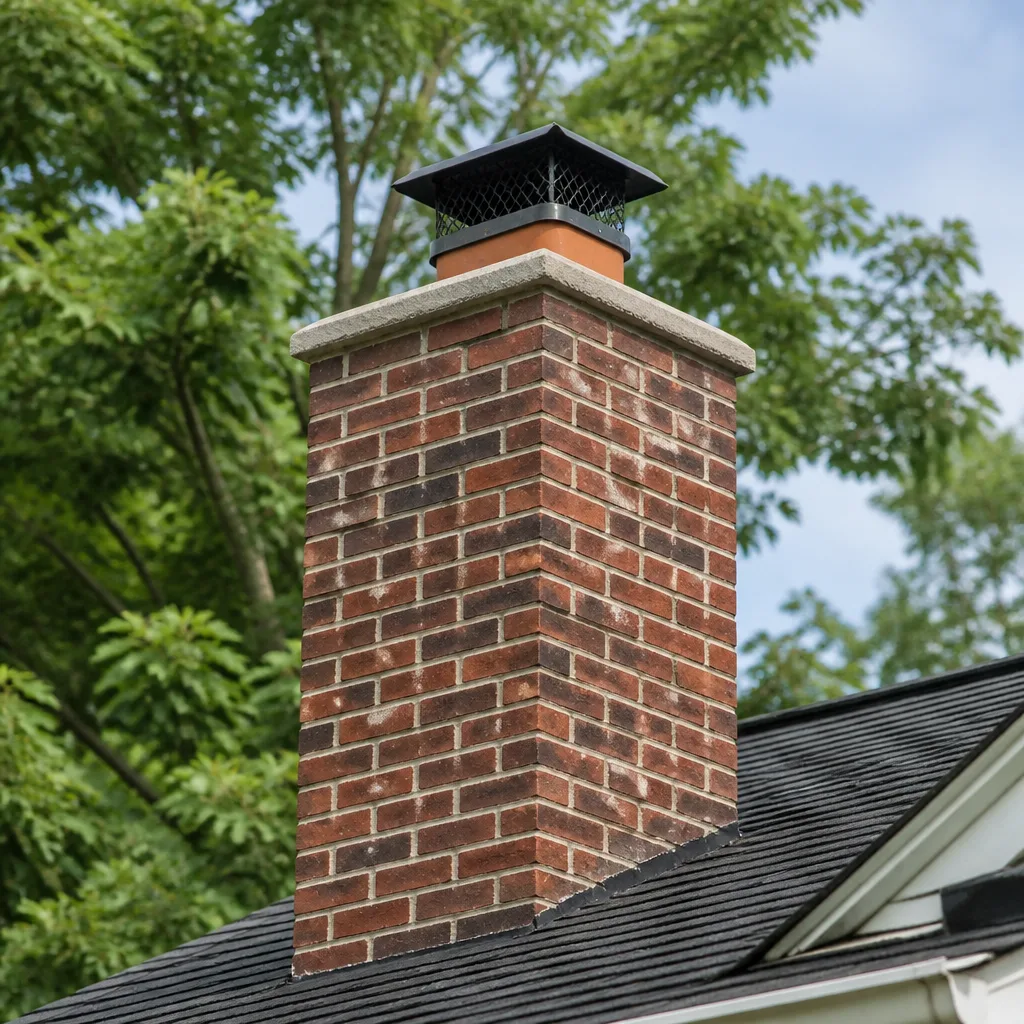 Masonry repair
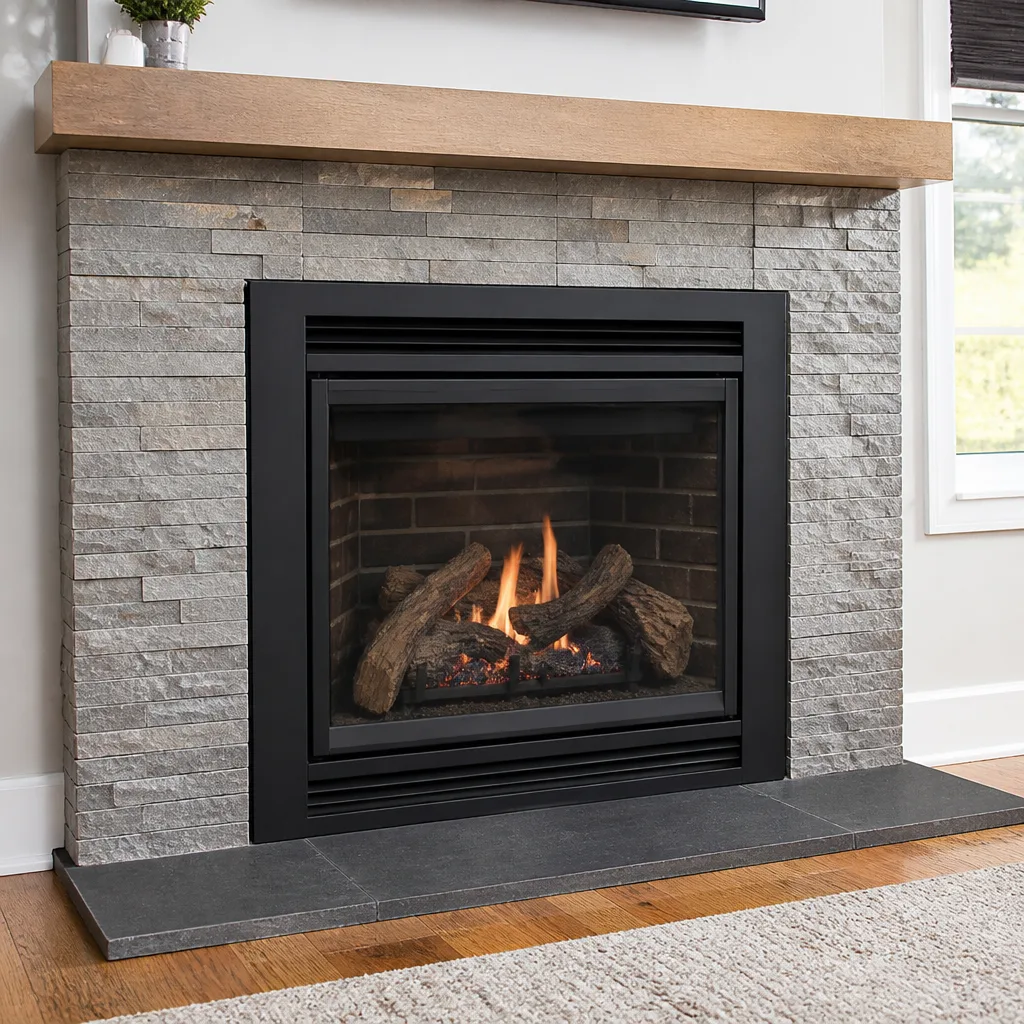 Gas fireplace service
Level 1 sweep and inspection to the NFPA 211 annual standard - flue, crown, cap, and flashing checked and photographed
Chimney sweep logs do not sweep chimneys. They loosen some creosote - which then falls where a brush and vacuum still have to collect it.
Chimney Sweep Maintenance Checklist for Port Richmond Homeowners
The single most skipped item on every chimney checklist is the smoke chamber. Homeowners think about the flue, the firebox, maybe the cap, but the smoke chamber, the sloped cavity between the firebox and the first flue tile, is where burned gases slow down and leave deposits on rough brick and mortar patching. It holds more creosote per square inch than the flue itself, and no brush reaches it properly. That’s why a useful maintenance checklist for a Port Richmond chimney isn’t just a to-do list. It’s a decision tree. This guide splits the work into two columns: what you can verify yourself at home, and what genuinely needs a technician with a camera and the right tools. You’ll get seasonal timing tied to the local freeze-thaw cycle, a ground-level way to check your crown and cap, and a record-keeping format that turns scattered service visits into a usable maintenance history.
Quick Answer
A chimney maintenance checklist for Port Richmond covers three things: a yearly sweep and inspection by a technician, homeowner-visible checks you can do yourself between visits (cap, crown, damper operation, water staining), and a written record of what was found and fixed. The best time for the technician visit is late summer or early fall, before the heating season starts, because a sweep booked once the weather turns cold means a longer wait. Your own checks should run twice a year: in fall before first fire, and in spring after the last one. Separating the two columns matters, because some items you can absolutely verify and others you cannot without a camera.
Styles & brands we work with
- Sweep & inspection
- Caps & crowns
- Flue relining
- Masonry repair
- Gas fireplace service
Table of Contents
- The Two Columns: What You Can Check and What Needs a Technician
- Seasonal Timing for Port Richmond’s Freeze-Thaw Cycle
- How to Evaluate Your Crown and Cap From Ground Level
- Reading Your Damper: Healthy vs. Compromised
- The Annual Sweep and Inspection: What Actually Happens
- The Smoke Chamber: The Part Everyone Skips
- Record-Keeping: Building a Maintenance History That Works
- Common Mistakes to Avoid
- When to Call a Professional
The Two Columns: What You Can Check and What Needs a Technician
Most checklists fail because they don’t say who does which task. That’s the core problem we’re solving here. A homeowner with a flashlight and a pair of binoculars can confirm a surprising amount. A technician with a chimney camera and a rotary brush can confirm the rest. Mixing them up wastes money on unnecessary visits or, worse, leaves a real problem undetected because nobody knew whose job it was to look.
Here’s the split, laid out plainly.
Homeowner-visible checkpoints
- Cap condition from the ground. Look for missing screen, a dented or lifted top, or birds roosting on it. Binoculars work fine for this.
- Crown edges from the ground. A crown should overhang the brick slightly. A visible crack, spalling, or a crown that looks flush with or recessed behind the brick is a flag.
- Damper operation from inside. Open and close it by hand. It should move smoothly and seat fully.
- Visible water staining. Look at the firebox brick, the ceiling of the room that holds the chimney, and the wall behind the stove if you have one. Brown streaks on the chimney breast mean water is getting in.
- Odor after a rain. A damp, smoky smell a day after rain usually means moisture is entering somewhere above the damper.
- Creosote flakes in the firebox. A layer of curls or soot flakes on the firebox floor suggests buildup above.
Technician-only checkpoints
- The flue interior. Creosote thickness, glaze, cracking, and offset joints are only visible with a camera and light.
- The smoke chamber. Rough-brick surfaces and mortar parging hide buildup that no handheld flashlight reveals.
- Liner integrity. Clay tile cracks, gaps at joints, and the condition where tile meets the top of the firebox.
- The hidden side of the crown and flashing. Ground view misses the top surface and the metal where the chimney meets the roof.
- Draft and combustion testing. Needs instruments and a trained eye.
Our technicians have up to 12 years of experience, and most of that experience is spent on the second column because that’s where the real answers live. A good inspection doesn’t just find problems. It photographs and documents them so you can see exactly what the technician saw. That’s how Chimney Sweep Port Richmond handles every visit, and it’s the reason we recommend a camera inspection with photo report as standard rather than optional.
Seasonal Timing for Port Richmond’s Freeze-Thaw Cycle
Port Richmond sits in a climate with real seasons and a meaningful freeze-thaw cycle. Water gets into masonry during fall rains, freezes overnight through the winter, expands, and thaws. That cycle repeats dozens of times a season, and every repetition works at any existing crack or soft mortar joint. The result is that chimney damage here is rarely sudden. It’s cumulative, and it accelerates during the winter months when you’re not looking.
That changes what “seasonal” means for a checklist. It’s not just about when the fireplace is lit.
Late summer (August into early September)
This is the window to book the sweep and inspection. You want it done before the first fire, so any buildup or obstruction is confirmed and corrected while the weather is still workable for repairs. It also lets a repair be scheduled and completed before the freeze-thaw cycle begins. A sweep in Port Richmond in late August finds problems that still have time to be fixed properly before winter.
Early fall (September into October)
Homeowner-visible checks: confirm your cap screen is intact before birds and squirrels start looking for shelter, and check the crown from the ground once leaves have dropped and your line of sight is clear. This is also the best time to schedule any cap or crown work found during the late-summer inspection.
Winter
Keep a small notebook near the fire. Note anything unusual: a backdraft, smoke curling into the room, an unfamiliar smell, or the sound of wind whistling down the flue. Damper operation is worth confirming every few weeks. These notes feed the maintenance history.
Spring (April into May)
Book a spring inspection if your flue had heavy use all winter. This catches any liner cracks that opened during the freeze-thaw cycle while the weather still allows prompt repair. Spring is also the time to confirm your cap is still tied down after winter wind.
Why timing matters here specifically
A chimney that’s swept in August gets the whole winter protected. A chimney that’s swept in November, after the first snow, often has to wait for repairs. When water is already freezing in the masonry, cosmetic work can’t be done properly until a thaw. The chimney repair work happens fastest when you’ve planned it before the cold sets in.
How to Evaluate Your Crown and Cap From Ground Level
You don’t need to climb a roof to spot crown or cap trouble. Binoculars, a clear line of sight, and knowing what to look for will catch most of it. The trick is understanding what “normal” looks like versus what a failing crown or cap actually does.
Stand at a distance where you can see the top of the chimney against open sky. A bright day helps; so does getting as much diagonal as possible rather than looking straight up, because straight up flattens the perspective and hides cracks.
What a healthy crown looks like
- The crown surface slopes away from the flue, so water runs off rather than sitting.
- The crown overhangs the brick slightly, forming a visible lip that sheds water past the masonry.
- Edges are intact, with no crumbling or exposed aggregate.
- No visible cracks running from the flue outward toward the edge.
What a compromised crown looks like
- A hairline or wider crack running from the flue tile outward. This is the most common failure.
- The crown looks flat or slightly dished, which means water pools on it rather than running off.
- Chunks missing from the edge, or the crown looks thinner on one side.
- A crown that appears flush with or slightly recessed behind the brick, so water runs down the face of the chimney instead of past it.
What a healthy cap looks like
- The cap sits on or over the flue, with a clear gap and mesh screen around it.
- The screen is intact, with no sagging, tearing, or missing sections.
- The top is level and not lifted by wind.
- There’s no rust streaking down the chimney below it.
What a compromised cap looks like
- Missing or torn screen, which is an open door for birds, squirrels, and rain.
- The cap sitting crooked or lifted on one side.
- Sagging mesh or a cap so rusted that the metal is thin enough to see through.
- Staining streaks running down the crown and brick below.
If the crown or cap looks wrong from the ground, that’s a technician visit. We work with purpose-engineered caps from Famco and Copperfield rather than improvised hardware-store covers, and we handle chimney cap & crown replacement as one job. A ground check tells you to call. A proper installation is not a ground-level project.
Reading Your Damper: Healthy vs. Compromised
The damper is the least glamorous part of a chimney and one of the most revealing about its overall health. It sits above the firebox and regulates how much air the fire gets and how much heat escapes up the flue when the fireplace isn’t in use. Most homeowners never think about it until smoke backs up into the room.
Operating it by hand a few times a season tells you a lot, and it’s completely safe to do when there’s no fire and no hot ash. If the damper is stuck, don’t force it. Note the behavior and describe it to a technician.
What a healthy damper feels like
- The handle moves smoothly, without grinding or a metallic scrape.
- The plate seats fully closed, and you can feel it bottom out.
- When you open it, you feel a difference in air movement into the firebox – a slight upward pull.
- There’s no light visible around the edges when closed.
- It holds its position when you let go of the handle midway.
What a compromised damper feels like
- Stiff, stuck, or scraping when you try to move it. Rusted or warped plates do this.
- It won’t fully close, leaving a gap you can see through or feel air moving through.
- It drops or swings freely on its own after you let go, which means the linkage is worn.
- You can see warping on the plate, or the frame is bent.
- The handle is loose or spins without moving the plate.
A damper that won’t close properly means heat escapes whenever the fireplace isn’t lit. It also lets cold air fall down the flue and cool the house. A damper that won’t open fully means the fire doesn’t get enough draft, which pushes smoke the wrong way. Both are fixable. Neither is something you should force with hand tools, and none of the repair work should start without an inspection confirming why it’s failing.
If your damper is compromised and you’ve already been told you need a rebuild, get a second opinion before you commit. Damper failures are sometimes symptoms of a larger issue and sometimes a standalone repair. A camera inspection tells you which.
The Annual Sweep and Inspection: What Actually Happens
A sweep is not just running a brush up the flue. The whole point is to remove what’s built up and, in the same visit, determine the condition of everything the brush can’t fix. That second half is what most people don’t realize they’re paying for. In our experience the inspection finds more value than the sweep itself.
Here’s what a proper annual visit looks like, step by step.
- Pre-sweep assessment. The technician examines the firebox, damper, and the roof-side components first, before anything is disturbed. This establishes a baseline.
- Protective setup. Drop cloths and a sealed vacuum keep dust out of the home. If a sweep is done without this, it will be obvious.
- The sweep itself. Brushes sized to the flue clear the interior surfaces. In a properly maintained chimney this is the low-drama part; in a neglected one it’s where heavy deposits are found.
- Camera inspection. A camera confirms the flue’s interior condition, offset joints, tile cracks, and liner gaps. This is the technician-only column from earlier. It’s also where the smoke chamber is examined.
- Photo report. You receive photos of what was found. Anything recommended is backed by a photograph you can look at yourself. That’s the answer to the real hesitation: how do you know a technician isn’t telling you to spend thousands of dollars on work you can’t verify? You look at the photo.
- Written findings and estimate. Anything that needs repair gets an estimate in writing, priced per job. Nothing is recommended that isn’t backed by camera evidence.
The reason to do this once a year rather than every other year is that the timeline for a small problem turning into a large one is short here. A small crown crack that’s visible in August becomes water in the masonry in October and a frozen crack in January. A yearly chimney sweep visit catches each of these while they’re still cheap to fix. If it’s been a few years, don’t panic about that – just book it and let the inspection decide what’s actually needed.
You can also see the value of the visit depending on the technician’s findings. A clean, well-maintained flue with no camera-visible problems is genuinely good news. A flue with offset joints, cracked tiles, or a lined chimney with gaps is where the repair work begins, and it’s better to know now.
The Smoke Chamber: The Part Everyone Skips
We’ve mentioned the smoke chamber twice already because it deserves its own section. It sits between the firebox and the first flue tile. In many older chimneys it’s formed from rough brick with a mortar wash. In newer ones, it’s corbelled brick. Either way, its sloped, rough surface slows the rise of hot gases just enough that creosote condenses on it at a higher rate per square inch than on the smooth flue above.
That makes the smoke chamber the highest-yield part of your maintenance checklist, and almost no homeowner knows to ask about it. A sweep brush passes through it quickly on the way up. It cannot remove a heavy, glazed creosote layer from rough brick with a brush alone.
Why it matters
- Creosote buildup. The rough surfaces trap and hold deposit that smooth flue surfaces shed.
- Draft problems. A rough or damaged smoke chamber disturbs airflow. A fireplace that drafts poorly may have a smoke chamber issue rather than a flue height problem.
- Fire risk. A heavy creosote layer is the fuel that chimney fires consume. A smooth chamber and a clean flue are the reason chimney fires are preventable. This is not a scare tactic – it’s the reason sweeping exists.
What’s done about it
Two options exist. One is mechanical cleaning of the chamber itself, which can remove moderate buildup. The other is HeatShield restoration: a compound applied to smooth the rough surfaces of the smoke chamber and the flue, making it easier to clean and reducing future creosote accumulation. It extends the chimney’s life without a full tear-out, and it’s the reason HeatShield is in our toolkit. Not every chimney needs it. The camera report shows you whether yours does.
Ask specifically about the smoke chamber on your next inspection. If the technician can’t tell you its condition with photos, that’s a gap in the inspection, not a gap in your chimney.
Record-Keeping: Building a Maintenance History That Works
A stack of invoices in a drawer is not a maintenance history. A usable history lives in one place and answers specific questions: what was found, what was done, and what was recommended but deferred. It’s the difference between a technician guessing at your chimney and one who can compare this year’s photos to previous years.
What to log after every visit:
What to log after each service visit
- The date and the technician’s name. A single line – “August, chimney sweep, [technician]” – is enough. The point is a timeline.
- The inspection findings. “Flue clear, one tile crack at the second joint, smoke chamber has moderate buildup.” Write what they said, not the marketing version.
- The photos. Save the photo report alongside your note. This is what lets you compare next year. Two photos side by side show whether a crack grew.
- What was done. “Swept, cap screen repaired.” Note the dates of each specific repair separately if you can.
- What was recommended but not done. This is the most important line. A recommendation to replace the crown or line the flue isn’t a now-or-never decision. It’s information. Log it, then ask the next technician to confirm whether it’s worsened.
- The weather at the time. “First frost” or “before freeze” tells you whether a finding was made before or after the masonry got wet and froze. This makes the timeline useful.
A homeowner’s physical log, maintained across a few years, is surprisingly powerful. It catches the pattern where a technician says “crown looks fine” one year and “crown needs replacement” the next. It gives you a basis for asking why. It also means you can safely defer a repair with a written recommendation, because you have a documented baseline to compare against. That’s not the same as ignoring the recommendation; it’s keeping it visible. If a repair can safely wait, and the record shows it was flagged and rechecked each year, deferring is a rational decision.
One format that works: keep a single notebook for the house, not just the chimney. Chimney visits, roof check-ins, and other maintenance go in sequence. Chimney problems often overlap with roof or gutter issues, and having it in one place helps.
Common Mistakes to Avoid
- Skipping the sweep after “a light fire season.” A few fires still produce creosote, and a light year is when a small buildup is cheapest to remove. Skipping a year means the next sweep finds more than it would have, and the inspection opportunity is missed for a year.
- Judging the crown by feel instead of sight. If you can’t see the crown clearly from the ground, you’re guessing. Get a clear line of sight with binoculars rather than relying on how the chimney “looks” from the driveway.
- Doing cap or crown work yourself. This is height work on a masonry structure. It’s genuinely dangerous and easy to get wrong in a way that makes the water problem worse. Our technicians use purpose-engineered caps and proper crown repair for a reason.
- Trusting a “cap” made from improvised material. A hardware-store cover is not a chimney cap. A proper cap sits with the correct clearance and a real screen, and the difference is visible in the first winter.
- Putting off a liner decision without getting the camera report. If you’ve been told you need a new liner, ask to see the photos. A liner recommendation backed by photos is worth taking seriously. One that isn’t is worth a second look. And if it turns out a full liner isn’t needed, HeatShield restoration may be the right path.
- Booking the sweep in November. By the time the cold is on, the schedule is long and repair work is difficult. Book in late summer.
- Forgetting to note what was recommended but deferred. Without that note, next year’s technician may not know what to re-check. A deferral without a record is essentially a lost finding.
When to Call a Professional
Call a technician when any of the following is true: your chimney hasn’t been swept in a year or more, you see creosote flakes or soot on the firebox floor, you’ve noticed water staining on the chimney breast or ceiling, your cap screen is torn or missing, your crown shows a visible crack from the ground, your damper won’t seat or won’t open fully, or you’re moving into a home with an unknown chimney history. Smoke backing into the room, an unfamiliar smell after rain, or a draft that pulls the wrong way also call for an inspection. Some of these are expensive-looking problems that turn out simple. Some are simple-looking problems that turn out serious. Only the camera report tells you which. Chimney Sweep Port Richmond offers free estimates in Port Richmond – call (833) 754-6815. We answer 24/7. Fast dispatch from 7am to 7pm, Sunday through Friday.
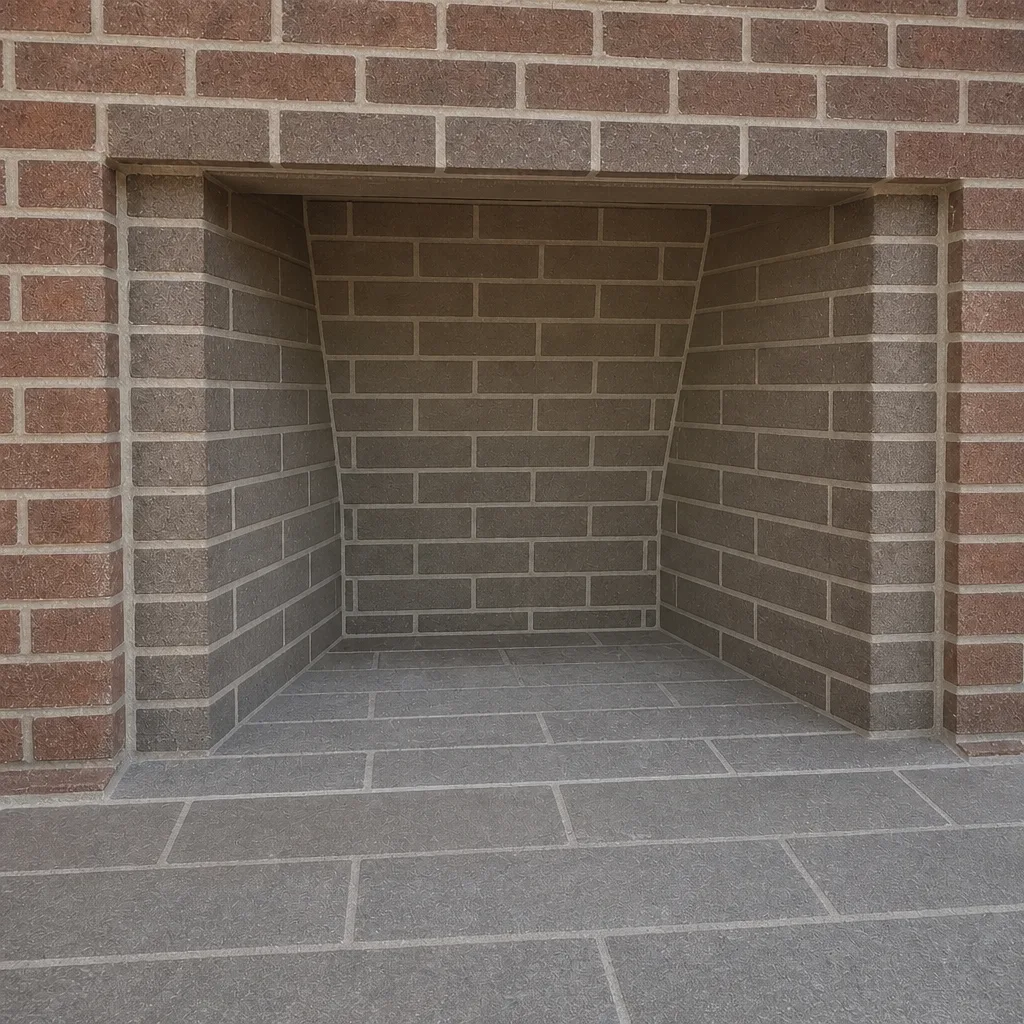
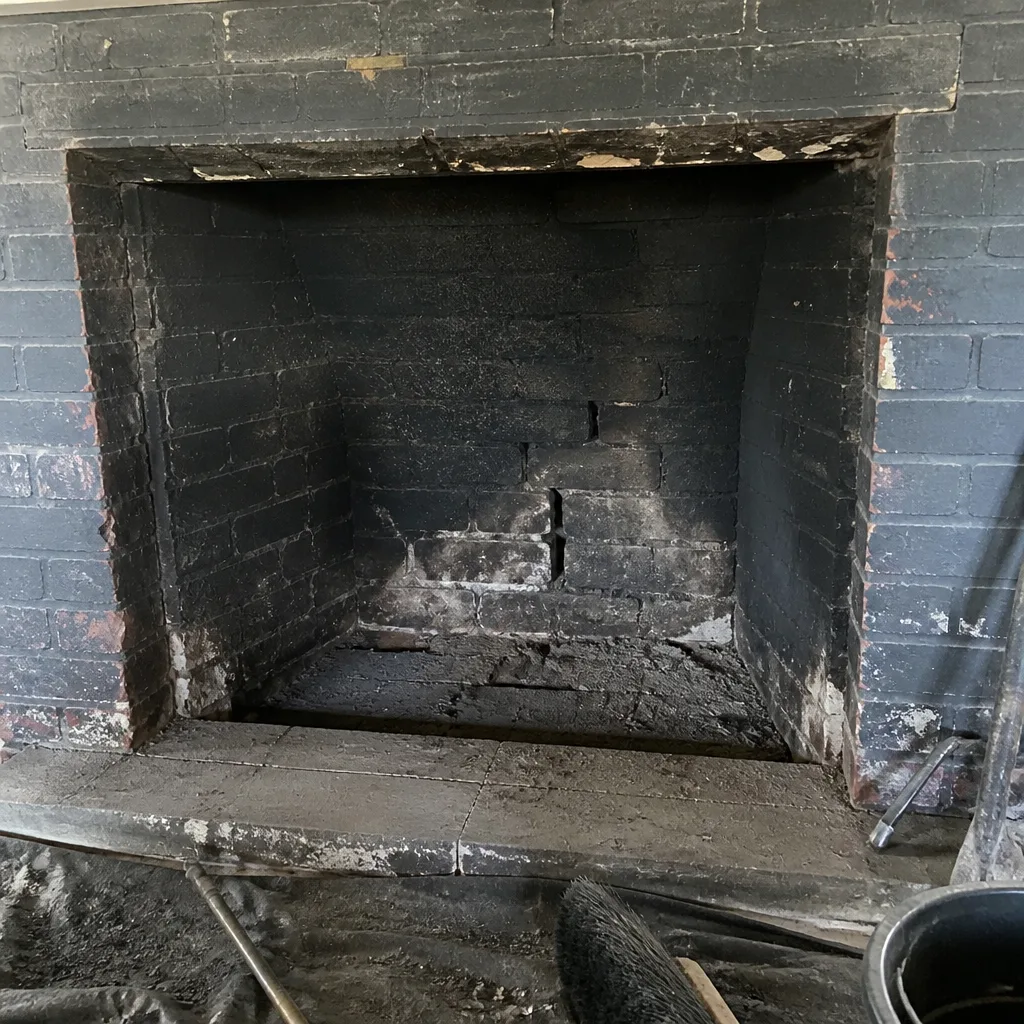
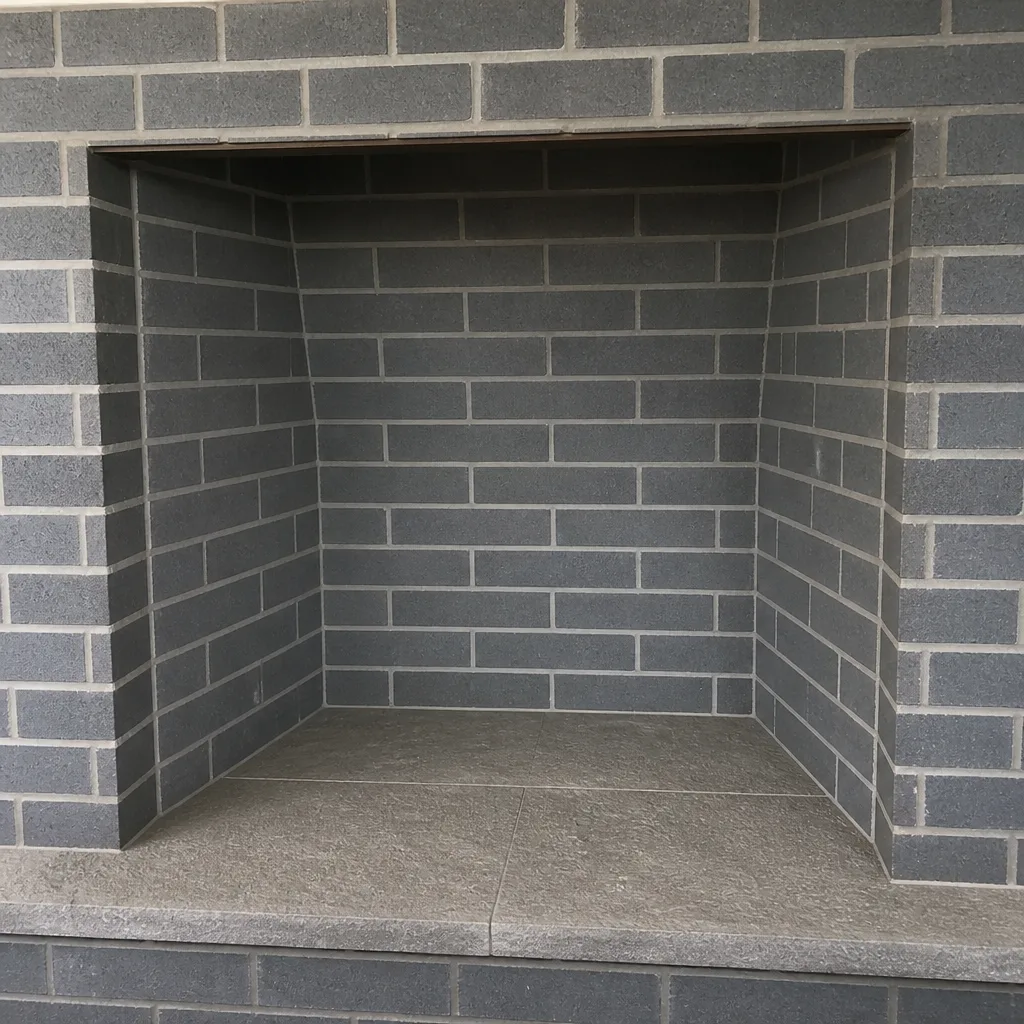
See the difference
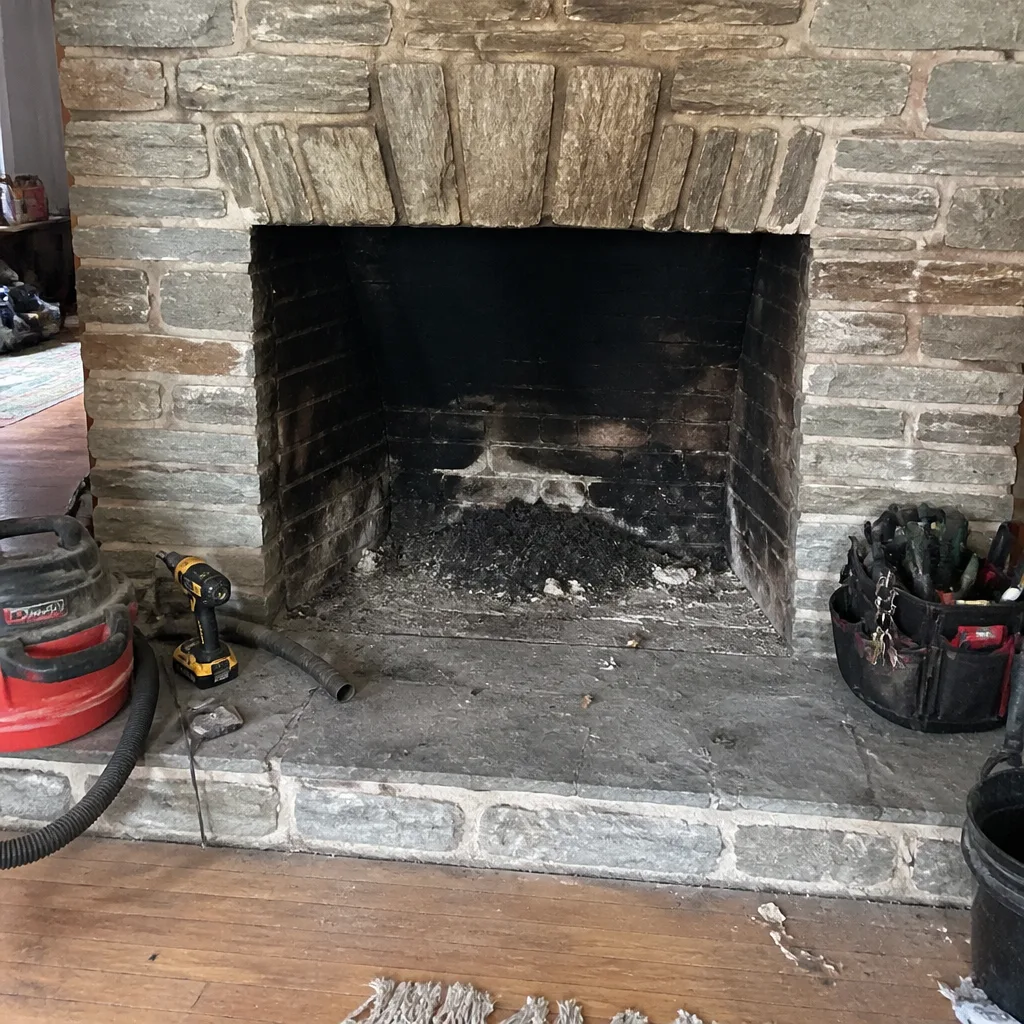 Before
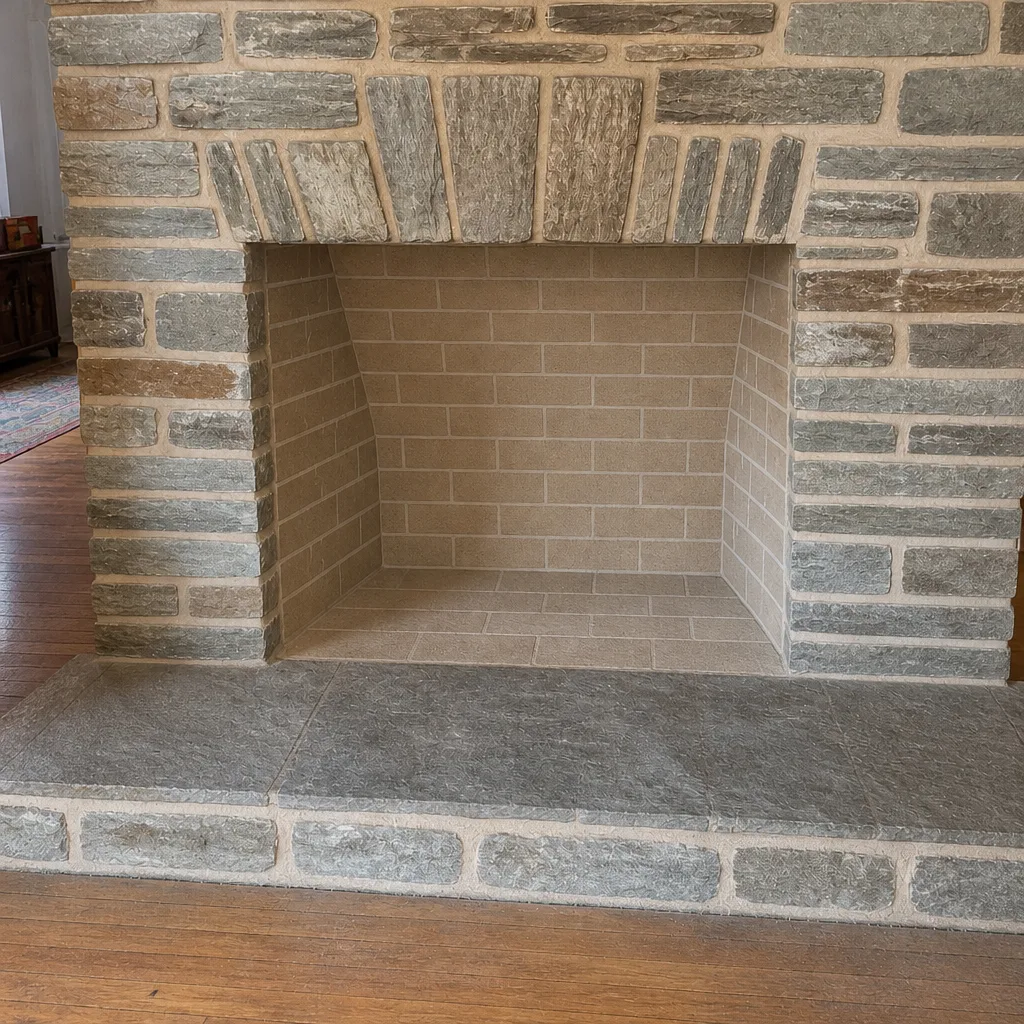 After
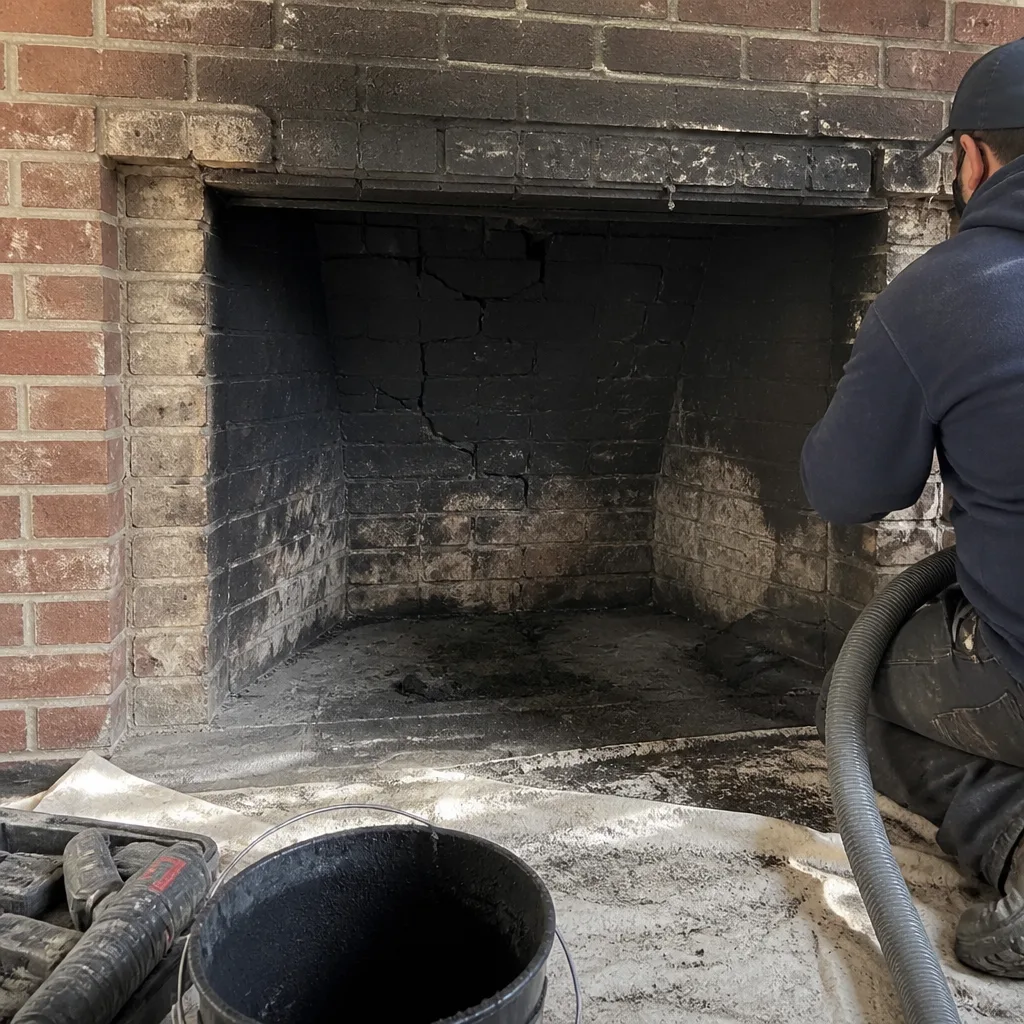 Before
 After
 Before
 After
Frequently Asked Questions
A standard sweep and inspection is priced per job by a written estimate, and that estimate is free. The price depends on the flue configuration, the amount of buildup, and whether camera work is included, so a range given sight-unseen by a phone operator would just be a guess. Call (833) 754-6815 for an exact quote – estimates are free, and you get the written price before anything is booked.
Once a year for a fireplace in regular use. That’s the baseline, and it’s the same recommendation for a year-round chimney and a seasonal one. The reason is the freeze-thaw cycle: damage in Port Richmond is cumulative, so a yearly sweep doubles as a yearly inspection and catches problems while they’re still small. If you burn heavily or the chimney has a history of buildup, ask during the inspection whether a mid-year check makes sense.
It depends on what the camera shows. A cracked clay tile liner with gaps at the joints usually points toward a new liner, and DuraFlex flexible liner systems handle the older and non-standard flue configurations that rigid liners can’t reach. HeatShield restoration is the answer when the structure is sound but the surfaces are deteriorating and a smooth, sealed interior would solve the problem without a full tear-out. The honest answer is that no recommendation should be made without photos you can see. If a technician won’t show you the evidence, get another opinion before you commit.
Skipping a year isn’t catastrophic, but skipping several lets creosote build and lets minor masonry damage progress. Creosote is the fuel that chimney fires need, so a heavy deposit raises real risk. Water getting into the masonry through a cracked crown weakens the structure over successive freeze-thaw cycles. And carbon monoxide risk rises when a flue is obstructed or a damper fails to open. The fix at each stage is cheaper than the stage after, which is the entire argument for yearly maintenance. Call (833) 754-6815 for an inspection and let the report tell you what you actually have.
Yes, and you should. Your visible-column checks (cap screen, crown from the ground with binoculars, damper operation, water staining, odor after rain) are safe and useful. Keep a notebook and save the photo report from each professional visit. Doing those two things turns the professional visits into a real maintenance history rather than scattered invoices.
Late summer, before the heating season starts. The schedule is shorter, and any repair the inspection finds can be completed before the freeze-thaw cycle begins. Spring works too if you’ve burned hard all winter, but a spring-only rhythm means repair work is often delayed by weather. Book the sweep for late summer, then use spring for a follow-up if the inspection recommended it. Call (833) 754-6815 when you’re ready to book.
The Bottom Line
A Port Richmond chimney maintenance checklist has two columns, and both matter. The visible column – the cap, the crown from the ground, the damper, water staining – is yours, and it should be checked twice a year. The other column, the flue, the smoke chamber, the liner, the hidden side of the crown, is the technician’s, and it should be checked once a year in late summer. The smoke chamber is the highest-yield item on the list and the one almost nobody asks about. Your record-keeping stitches the two columns together across years. Get the camera report in writing, save the photos, log what was recommended but deferred, and treat every recommendation as something to verify rather than something to fear. We handle the full chimney system – from the firebox to the crown – with professional-grade materials from brands chimney specialists actually trust. Call (833) 754-6815 for a free estimate. We answer 24/7. Fast dispatch from 7am to 7pm, Sunday through Friday.
Written by the team at Chimney Sweep Port Richmond.