
Last updated November 22, 2026
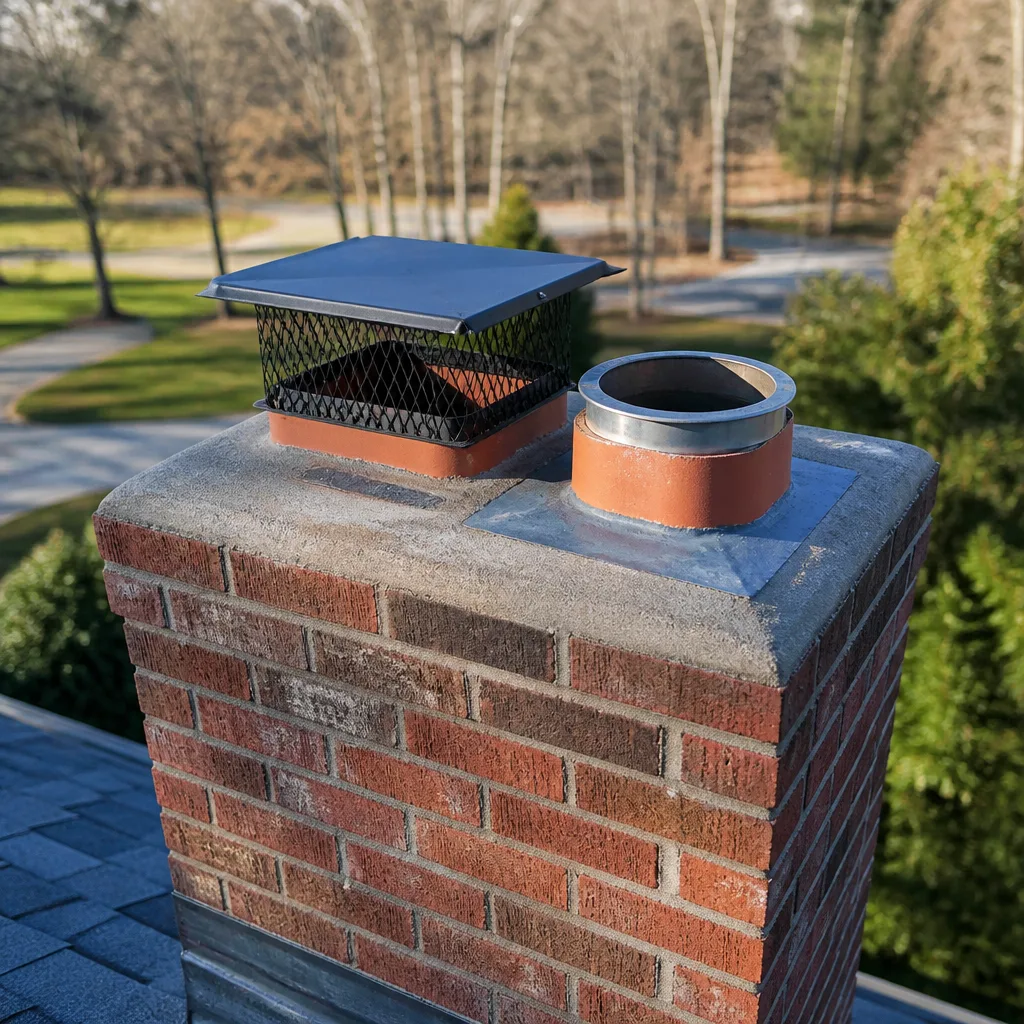 Sweep & inspection
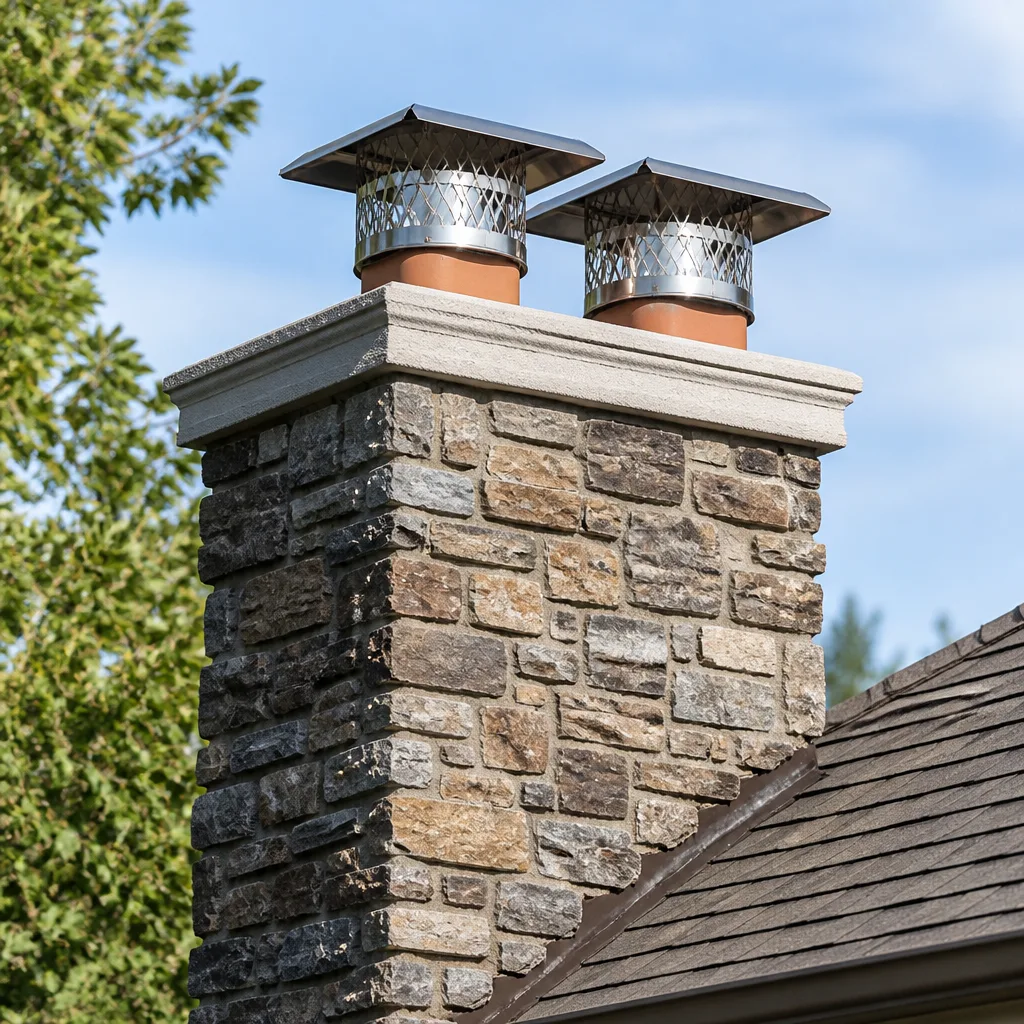 Caps & crowns
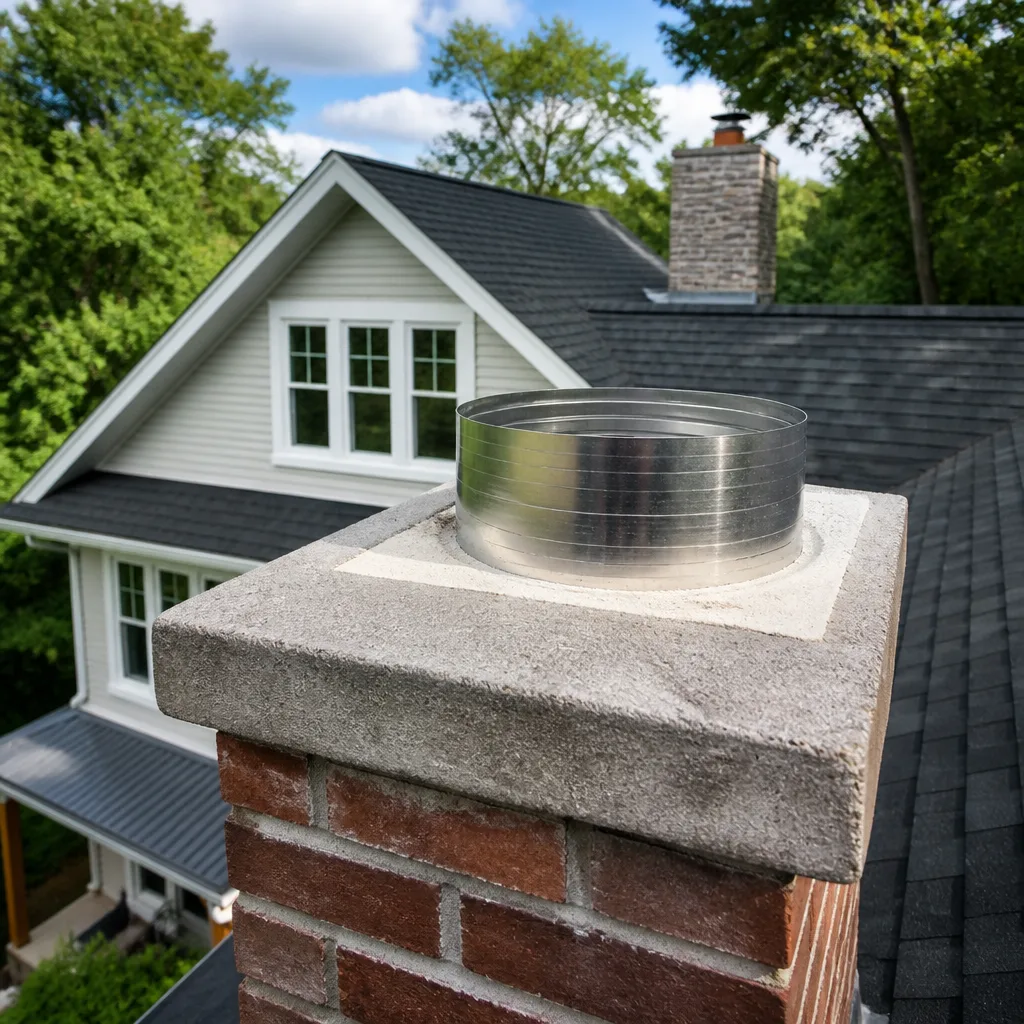 Flue relining
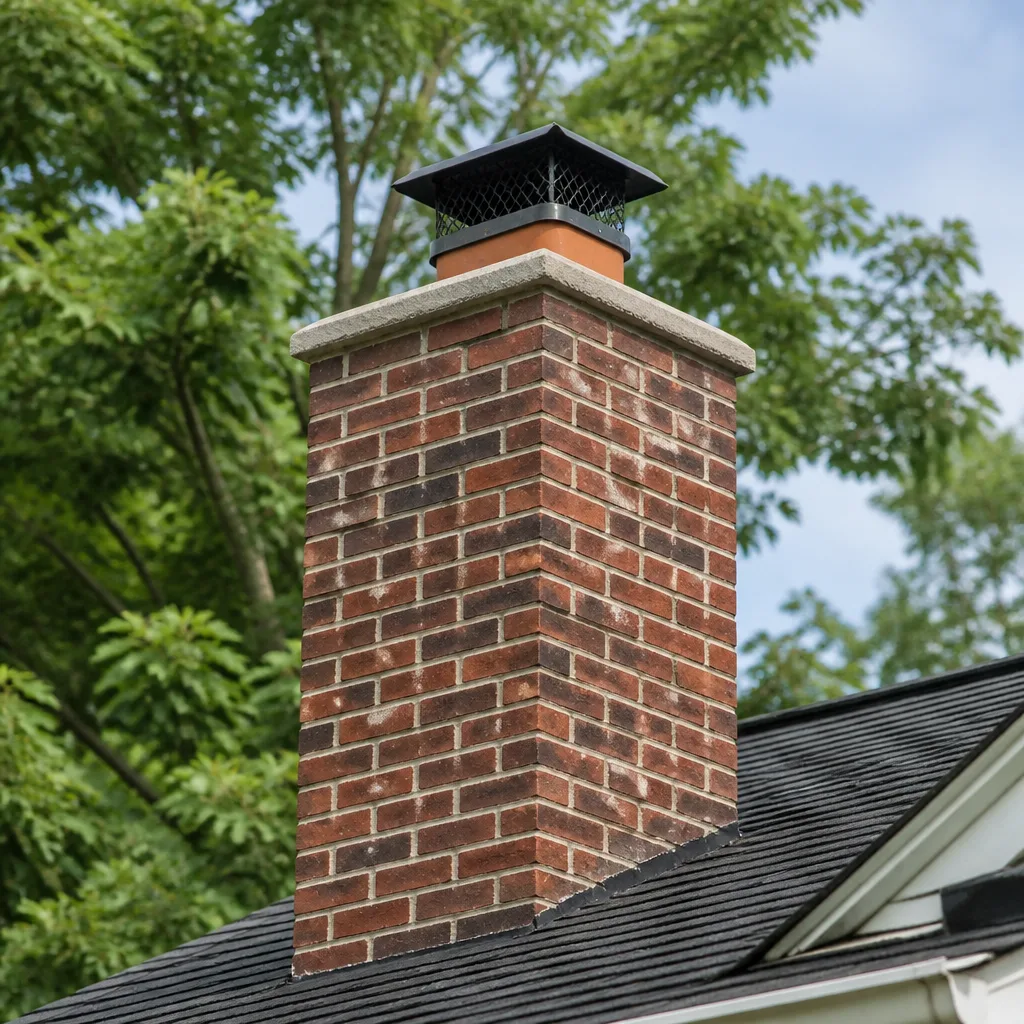 Masonry repair
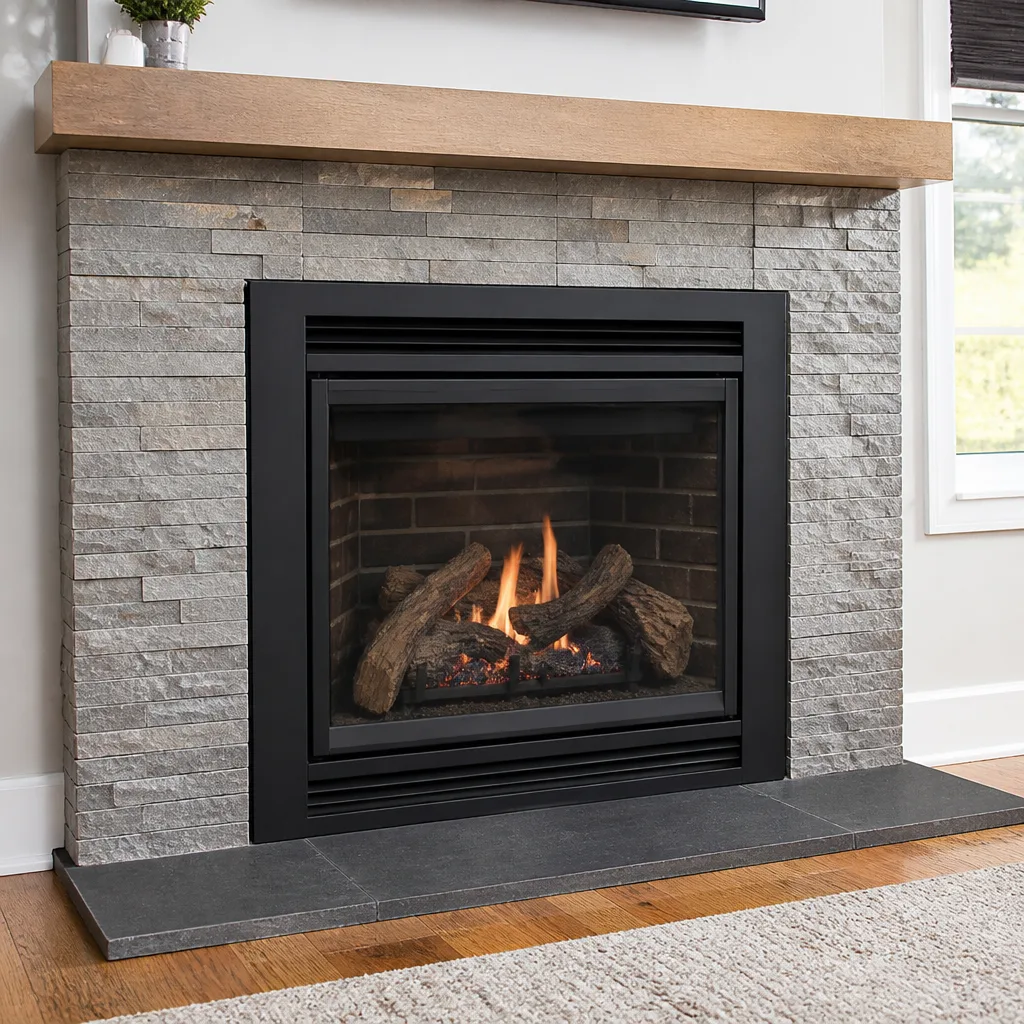 Gas fireplace service
Level 1 sweep and inspection to the NFPA 211 annual standard - flue, crown, cap, and flashing checked and photographed
Chimney sweep logs do not sweep chimneys. They loosen some creosote - which then falls where a brush and vacuum still have to collect it.
Chimney Sweep Troubleshooting in Port Richmond: Common Problems and How to Fix Them
If your chimney smokes back into the room only on windy days, that isn’t a draft problem. It’s almost certainly a crown or cap issue, and no amount of sweeping will fix it. That single distinction saves Port Richmond homeowners from paying for the wrong repair. We’ve watched people request a second sweep when what they actually needed was a Famco cap or a crown rebuild, and the smoke kept coming back until the real fault was found. This guide maps symptoms to root causes so you can stop guessing. You’ll learn what each sign actually points to, which checks you can safely do from the firebox, and how the older rowhouse geometry around Port Richmond changes the whole picture.
Quick Answer
Most chimney “draft” and odor complaints in Port Richmond trace back to three distinct failures: a cracked crown letting water into the system, a degraded liner that disrupts airflow, or a smoke chamber offset that catches smoke on windy days. Each has its own fix, and sweeping only addresses creosote buildup, not structural faults. Knowing which symptom you have before you call prevents a repeat sweep when what you need is chimney repair.
Styles & brands we work with
- Sweep & inspection
- Caps & crowns
- Flue relining
- Masonry repair
- Gas fireplace service
Table of Contents
- Symptom-to-Cause Mapping: What Your Chimney Is Telling You
- Why Port Richmond Rowhouses Draft Differently
- Creosote Buildup vs. Liner Breach: How to Tell the Difference
- What a Healthy Crown Looks Like vs. One Letting Water In
- DIY Checks You Can Do Safely From the Firebox
- Smoke Backdraft, Odor, and Soot Staining: Three Different Problems
- Cap and Crown Problems That Look Like Draft Issues
- When to Call a Professional
Symptom-to-Cause Mapping: What Your Chimney Is Telling You
Your chimney reports its problems through symptoms, and the symptom almost always narrows the cause to one or two possibilities. Smoke that only appears on gusty days points away from creosote and toward an obstruction or a pressure differential at the crown or cap. Persistent odor even when the fireplace is unused points toward liner degradation or moisture trapped in the flue. Visible soot staining near the firebox opening suggests incomplete combustion, often tied to a smoke chamber that isn’t guiding exhaust correctly.
Here’s how we map the three most common complaints to their root causes:
- Smoke backdraft on windy days: crown cracking, a damaged cap, or a flue that’s too short relative to surrounding structures. Sweeping won’t help.
- Odor when the fireplace is idle: a liner that’s absorbed moisture or creosote, or a breach allowing water into the flue. This calls for a liner inspection.
- Soot staining on the firebox surround: incomplete combustion from a smoke chamber offset or a flue that’s undersized for the firebox opening.
- Smoke throughout the room regardless of weather: a blockage, a closed or partially closed damper, or a heavy creosote load.
The mapping matters because each of these has a different fix and a different cost. A blockage resolves with a chimney sweep. A liner breach needs relining or HeatShield restoration. A crown issue needs masonry work. Homeowners in Port Richmond who call describing “draft problems” often turn out to have one of the last two, which is why the first question we ask is always about timing.
Why Port Richmond Rowhouses Draft Differently
Rowhouse chimneys in Port Richmond don’t behave like suburban chimneys, and the geometry is the reason. Shared party walls mean the flue is often pressed against a neighbor’s heated space on one side and cold exterior air on the other. That uneven temperature creates pressure differences that a freestanding suburban chimney never deals with. Short flue heights compound it: a rowhouse chimney may terminate close to the roofline of an adjacent building, putting it in the turbulent wake of wind coming over that structure.
We see the pattern repeat. A flue that would draft fine on an open lot backdrafts when its cap sits below the peak of the neighboring rowhouse. The fix isn’t always a taller flue, though sometimes it is. Often it’s a properly engineered cap from a brand like Gelco, one that manages wind instead of just capping the opening. Improvised hardware-store covers can actually make backdraft worse by creating turbulence right at the flue exit.
There’s a second rowhouse factor worth knowing. Shared walls mean a chimney fire in one unit stresses the masonry that neighboring units also rely on. That’s another reason a blocked or degraded flue in Port Richmond isn’t a private problem. Our technicians have up to 12 years of experience reading rowhouse chimney behavior, and the geometry is usually the first thing we check when a suburban-style solution fails. If your neighbor’s chimney drafts fine and yours doesn’t, the difference is usually in how the flue heights and party walls interact, not in the fire you’re burning.
Creosote Buildup vs. Liner Breach: How to Tell the Difference
Before you call anyone, you can usually figure out whether you have a creosote problem or a liner problem. Creosote is a fuel deposit that restricts the flue and raises fire risk. A liner breach is a structural failure that lets heat and gases reach combustible materials. Both produce smoke and odor, but they behave differently and require different work.
Creosote buildup tends to develop gradually. The fire burns a little less cleanly, smoke lingers longer at startup, and odor appears when the chimney is damp. The fix is a proper sweep, and the flue is fine once it’s clean. A liner breach shows different signs: smoke appearing where it shouldn’t, staining on the chimney exterior, or the smell of combustion gases in rooms the flue shouldn’t be venting into. That last sign is a stop-use-until-inspected situation, not a call-it-in-when-convenient situation.
Here’s how to think about which one you have:
- Check when the symptom started. Gradual over months points toward creosote. Sudden after a storm points toward physical damage.
- Look at the firebox interior from where you stand. Soot streaking upward and outward suggests draft trouble, not just buildup.
- Notice whether the problem changes with weather. Weather-dependent symptoms point toward structural or pressure issues, not creosote.
- Ask when the chimney was last swept. If it’s overdue and the symptoms are new, start with a sweep and inspection before assuming a liner failure.
In our experience, homeowners in Port Richmond assume “liner” when the real answer is “creosote plus a bad cap,” or the reverse. Only a camera inspection settles it. We include a camera inspection and a photo report with every sweep, so you can see exactly what condition the flue is in rather than taking our word for it. That’s also why we don’t recommend relining or liner restoration until we have footage showing the need.
What a Healthy Crown Looks Like vs. One Letting Water In
A healthy crown is a concrete cap at the top of the chimney that slopes away from the flue on every side, overhangs the masonry slightly, and has no cracks wide enough to catch your fingernail. Its whole job is to shed water off the chimney structure. When it fails, water gets into the masonry and the flue, and the symptoms spread far beyond the chimney top.
A failing crown shows up in several ways. You’ll see hairline cracks that have widened into visible fissures, spalling concrete at the edges, or a crown that’s pulling away from the flue. Sometimes the crown is simply missing. Water that enters through a failed crown doesn’t just damage masonry; it travels down the flue, soaks into the liner, and emerges as odor inside the house, efflorescence on the chimney’s exterior, or rusted damper components. Homeowners then call about the odor and never suspect the crown, which is exactly the wrong-repair trap this guide is about.
Here’s the comparison in practical terms:
- Healthy crown: continuous, sloped, intact edges, sealed at the flue joint, no staining below it.
- Failing crown: cracks, spalling, separation from the flue, water staining on the chimney face, or no crown at all.
We rebuild crowns rather than patching them when the damage runs deep, and we coordinate the crown work with the cap installation so the two parts of the system that keep water and weather out are handled together. Our chimney cap & crown work uses purpose-engineered caps from Gelco and Famco, not improvised covers. If your odor problem returns every time it rains, look at the crown before you look anywhere else.
DIY Checks You Can Do Safely From the Firebox
You can narrow down the cause of a chimney problem without ever going on the roof. The firebox, the damper, and the firebox surround tell you a lot. What you should not do is climb the chimney, open the flue from the top, or attempt to reach a jammed damper. Roofline work belongs to a trained professional for good reason, and chimney exteriors are more dangerous than they look.
Here are the checks you can safely perform:
- Open the damper fully and watch it. If it sticks, doesn’t open flat, or won’t stay open, that alone can cause smoke in the room.
- Look up the flue with a flashlight. You’re looking for visible creosote buildup, blockage, or daylight where daylight shouldn’t be.
- Check for soot streaking above the firebox opening. Streaking that fans outward suggests a smoke chamber or draft problem.
- Feel for cold air coming down when the fireplace is off. A steady downdraft when the fire is cold points toward a flue or cap issue.
- Look at the firebox brick and mortar. Crumbling mortar joints or white staining suggest moisture getting in from above.
- Note when symptoms occur. Wind only, rain only, fire lit only, or all the time. That timing is diagnostic.
Write down what you find. When a technician arrives, that timing information often resolves the question faster than anything else. If any check reveals a heavy creosote load or visible structural damage, stop using the fireplace and get an inspection before the next burn. Safety here isn’t about being cautious for its own sake; a flue full of creosote or a breached liner can let fire or carbon monoxide into the living space, and no DIY observation changes that risk.
Smoke Backdraft, Odor, and Soot Staining: Three Different Problems
These three get lumped together as “chimney problems,” but they’re distinct failures with distinct fixes. Smoke backdraft means exhaust is coming back into the room instead of going up the flue. Odor means something in the system is releasing smell, usually moisture or creosote. Soot staining means combustion products are depositing on surfaces where they shouldn’t. Each points to a different layer of the system.
Backdraft is a pressure and geometry problem. Wind over the chimney, a flue that’s short relative to nearby structures, or a cap that creates turbulence all cause it. The fix is a cap or crown correction, sometimes a flue extension. Odor is a moisture and deposit problem. It comes from a crown letting water in, a liner that’s absorbed creosote, or a chimney that’s simply damp. The fix usually starts with the crown and then moves to the liner. Soot staining is a combustion problem. It comes from incomplete burning, a smoke chamber that isn’t guiding exhaust, or a firebox that’s too large for the flue. The fix is often a smoke chamber correction or a liner sized to the opening.
We see all three in Port Richmond because the rowhouse geometry sets them up. A short flue pressed against a shared wall backdrafts in a way a taller freestanding chimney wouldn’t, and a crown that fails after a cold winter lets water into a flue that then reads as an “odor problem” all summer. Choosing the right fix starts with identifying which of the three you actually have. If you’re not sure, a camera inspection with a photo report tells you without guesswork.
Cap and Crown Problems That Look Like Draft Issues
A cap problem can look exactly like a draft problem, which is where a lot of wrong repairs begin. A cap that’s loosely fitted, damaged, or the wrong type for the flue creates turbulence right at the flue exit, and the smoke has nowhere to go but back down. Homeowners call it a draft issue, request a sweep, and the symptom returns the next windy day. The cap was the issue the whole time.
There are several cap failure patterns we look for. A standard cap with no wind management doesn’t help a flue that’s vulnerable to downdrafts. A damaged cap lets rain in, which produces odor and rust. A cap that’s been improvised from hardware-store parts can actually worsen backdraft by blocking the flue exit with turbulence. The right cap is engineered for the flue’s size and the building’s surroundings.
- Wind-only smoke: usually a cap that isn’t managing wind at the flue exit.
- Rain-only odor: usually an open or damaged cap letting water in.
- Smoke on both, plus rusted damper: often a cap that’s been letting water in for a while.
We install Gelco and Famco caps because they’re engineered for this exact job, not improvised. The same thinking applies to the Flue: the crown and cap together form the weather barrier at the top of the system, and correcting one without the other often leaves you chasing symptoms again next season.
Common Mistakes to Avoid
- Sweeping first when the symptom is structural. If smoke appears only on windy days, a sweep won’t change anything. The cap or crown is the likely cause, and sweeping just costs you a visit.
- Treating odor as a cleaning problem. Odor usually means moisture or a liner issue, not leftover creosote. A sweep won’t stop it if the crown is letting water in.
- Using hardware-store caps. Improvised covers can worsen backdraft. Purpose-engineered caps from a brand like Famco or Gelco are the right tool.
- Assuming a rowhouse drafts like a suburban house. Port Richmond’s shared walls and short flue heights change the whole diagnostic. What works on a freestanding chimney may not work here.
- Skipping the camera inspection. Without seeing inside the flue, you’re guessing. A camera inspection and photo report make the diagnosis concrete.
- Continuing to burn with visible structural damage. If you’ve seen a breach or heavy creosote, stop using the fireplace until it’s inspected.
- Letting a liner “wait” through months of heating season. A breach that looks minor in October is often worse by January. Relining or restoration is cheaper than the damage it prevents.
When to Call a Professional
Call a professional when the symptom involves roof access, structural damage, or combustion gases. Specific cases that need a trained technician: smoke backdraft that doesn’t stop after cleaning, any odor that won’t go away, visible damage to the crown or cap, soot staining that keeps returning, or a liner you’ve been told (without camera evidence) needs replacing. Do not go on the roof yourself for any of these, and do not continue using a fireplace you suspect of a liner breach. The risk of carbon monoxide or a chimney fire is real and doesn’t give you warning.
Chimney Sweep Port Richmond offers free estimates in Port Richmond, and we handle the full chimney system from the firebox to the crown. One company for the sweep, the repair, and the rebuild. Call (833) 754-6815 for a free estimate.
See the difference
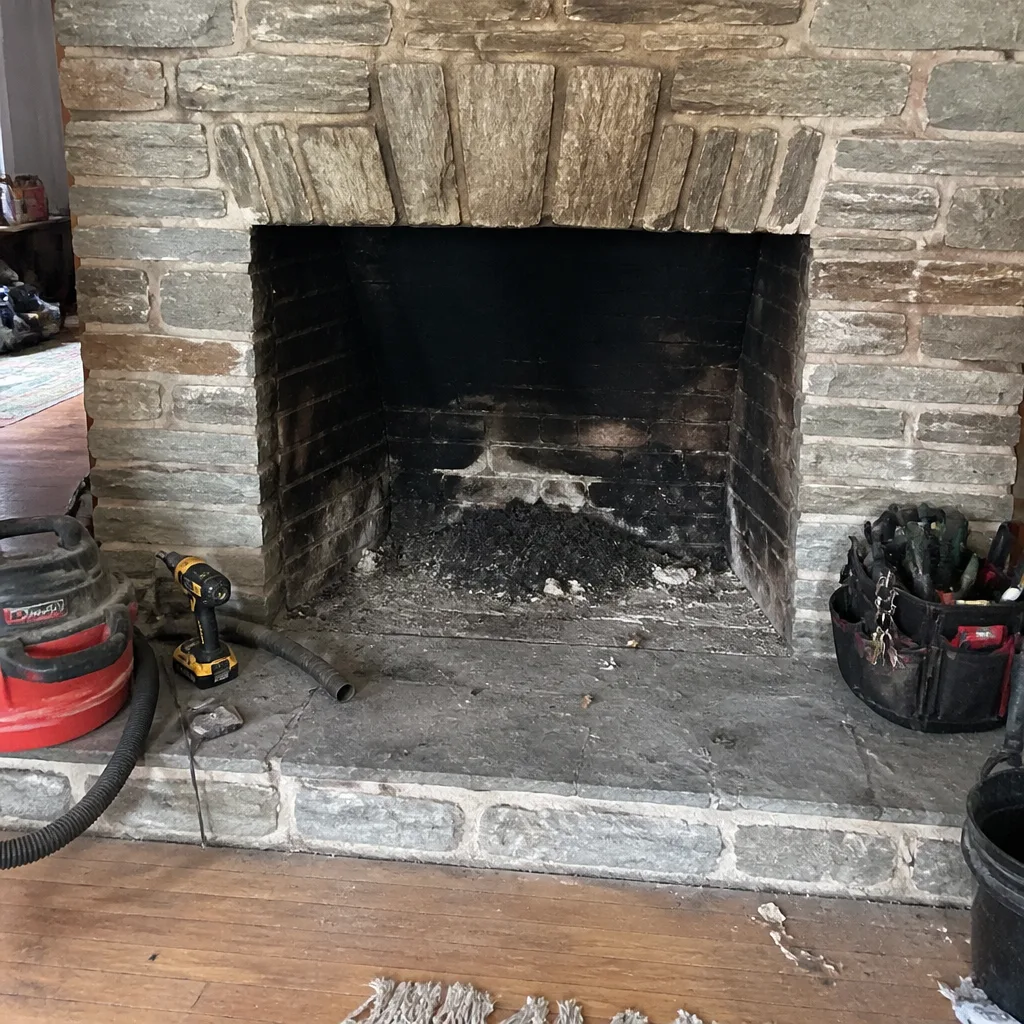 Before
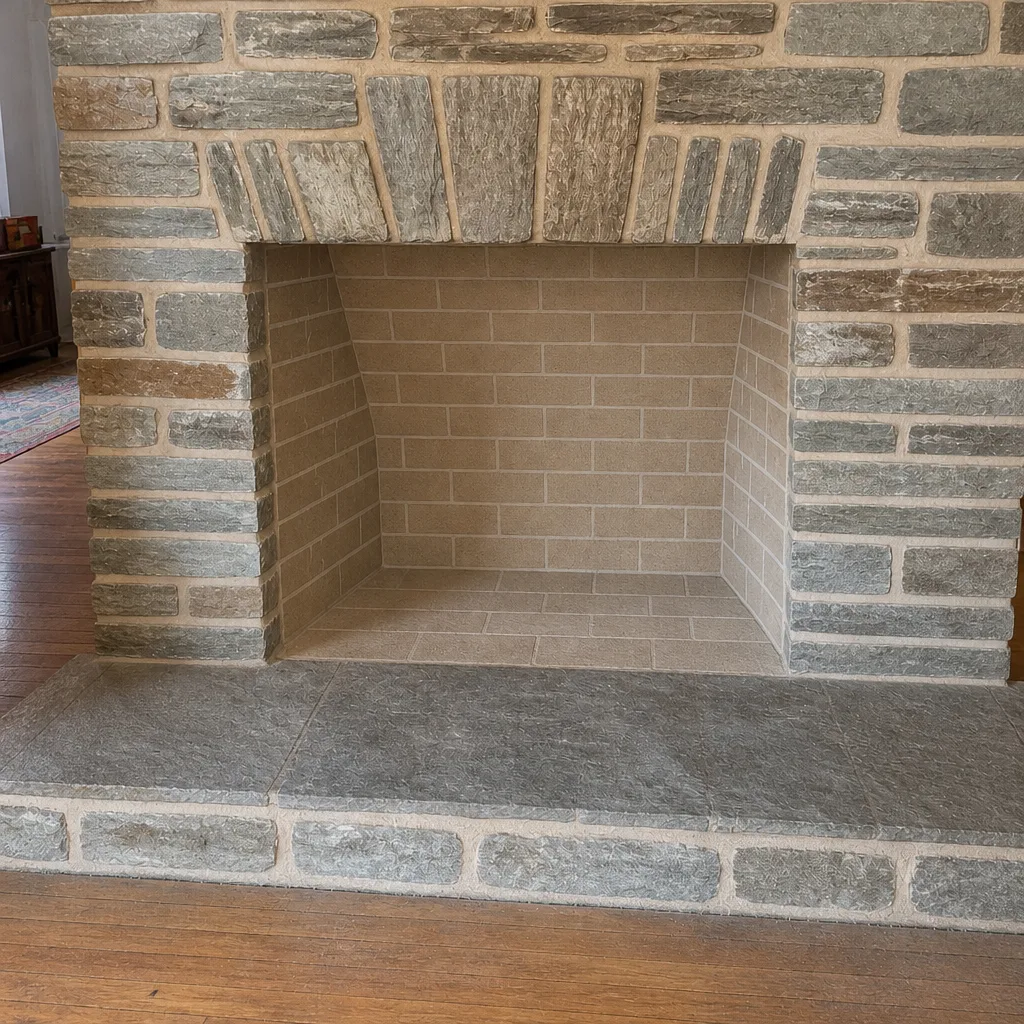 After
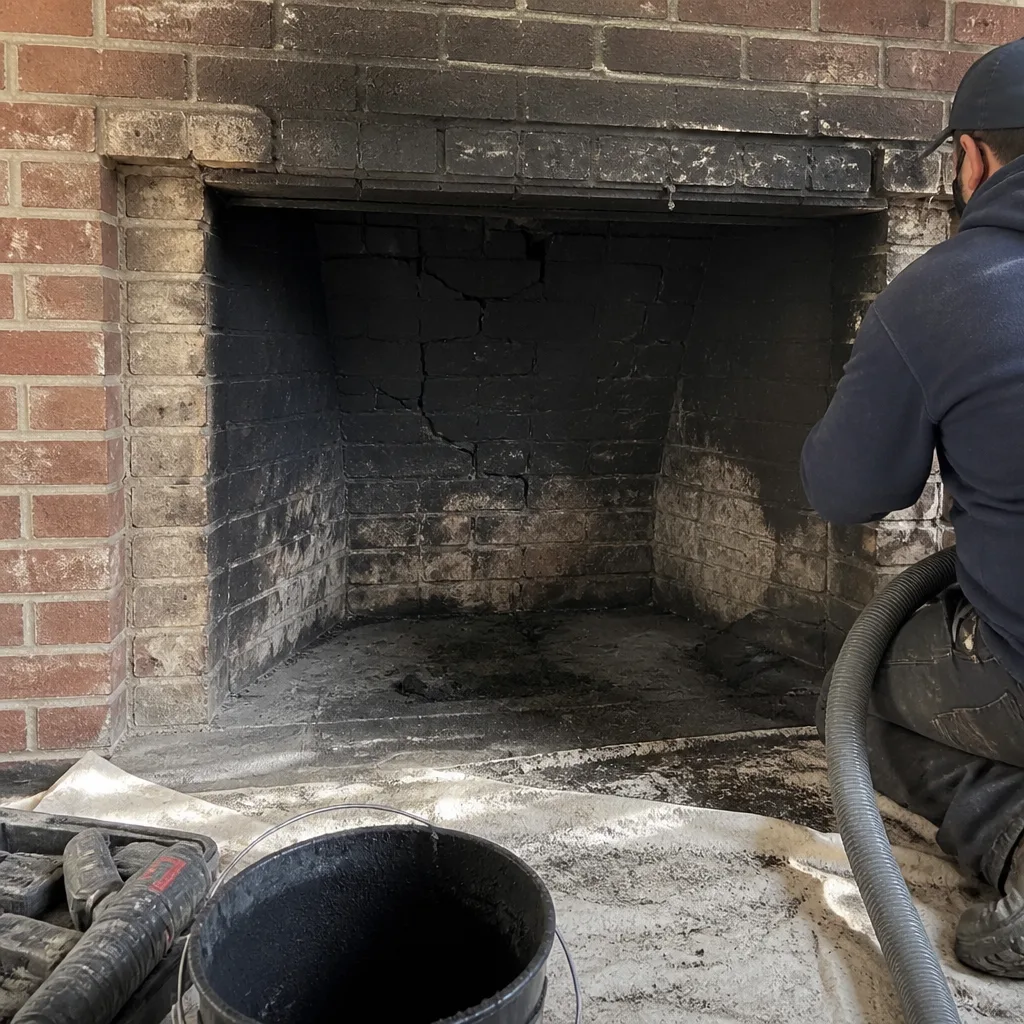 Before
 After
 Before
 After
Frequently Asked Questions
Wind-only smoke almost always points to a crown, cap, or pressure problem rather than a creosote or cleaning issue. Wind creates turbulence over the flue exit and can push exhaust back down if the cap isn’t managing wind or the crown has failed. Sweeping won’t fix it. Call (833) 754-6815 for an exact quote; estimates are free.
You need a liner when the flue itself is breached, meaning heat or gases can reach the structure around it. You need a sweep when the flue is intact but loaded with creosote. The only way to tell is a camera inspection. We include a camera inspection and photo report with every sweep, and we don’t recommend relining until you can see the evidence.
A failing crown shows cracks wide enough to catch a fingernail, spalling at the edges, or separation from the flue. Sometimes it’s missing entirely. Water entering through a failed crown causes secondary symptoms like odor, efflorescence, or rusted dampers. If those symptoms come back after every rain, the crown is the first thing to check.
Odor alone isn’t always dangerous, but it’s a signal that needs diagnosing. Odor often means moisture or a liner issue, and a liner breach can let combustion gases into the home. If the smell is combined with smoke in the room or visible damage, stop using the fireplace and get an inspection. Call (833) 754-6815 for an exact quote; estimates are free.
The general rule is once a year for a regularly used fireplace, or more often if you burn heavily. Rowhouse chimneys in Port Richmond sometimes need attention sooner because short flues and shared walls affect drafting and creosote behavior. We recommend annual inspection plus a sweep when the load calls for it.
Rarely. Backdraft is a geometry and pressure problem, not a creosote problem. It calls for a cap or crown assessment, possibly a flue extension. If your previous sweep didn’t stop the backdraft, the cause was structural, and that’s the diagnosis we start with.
The Bottom Line
Your chimney tells you what’s wrong through symptoms, and the key is matching the symptom to the right layer of the system. Wind-only smoke points to the crown or cap. Odor points to moisture and often the crown again. Soot staining points to the smoke chamber. Each has a specific fix, and sweeping only addresses creosote load. Port Richmond’s rowhouse geometry makes those pressure and moisture problems more common, so the diagnostic step matters more here than in a suburban setting. Get a camera inspection before you pay for relining, and treat the crown and cap as the weather barrier they are.
Chimney Sweep Port Richmond handles the full chimney system from firebox to crown, with professional-grade brands including DuraFlex, HeatShield, Gelco, and Olympia Chimney. Call (833) 754-6815. We answer 24/7, with fast dispatch from 7am to 7pm, Sunday through Friday.
Written by the team at Chimney Sweep Port Richmond.