
Last updated November 22, 2026
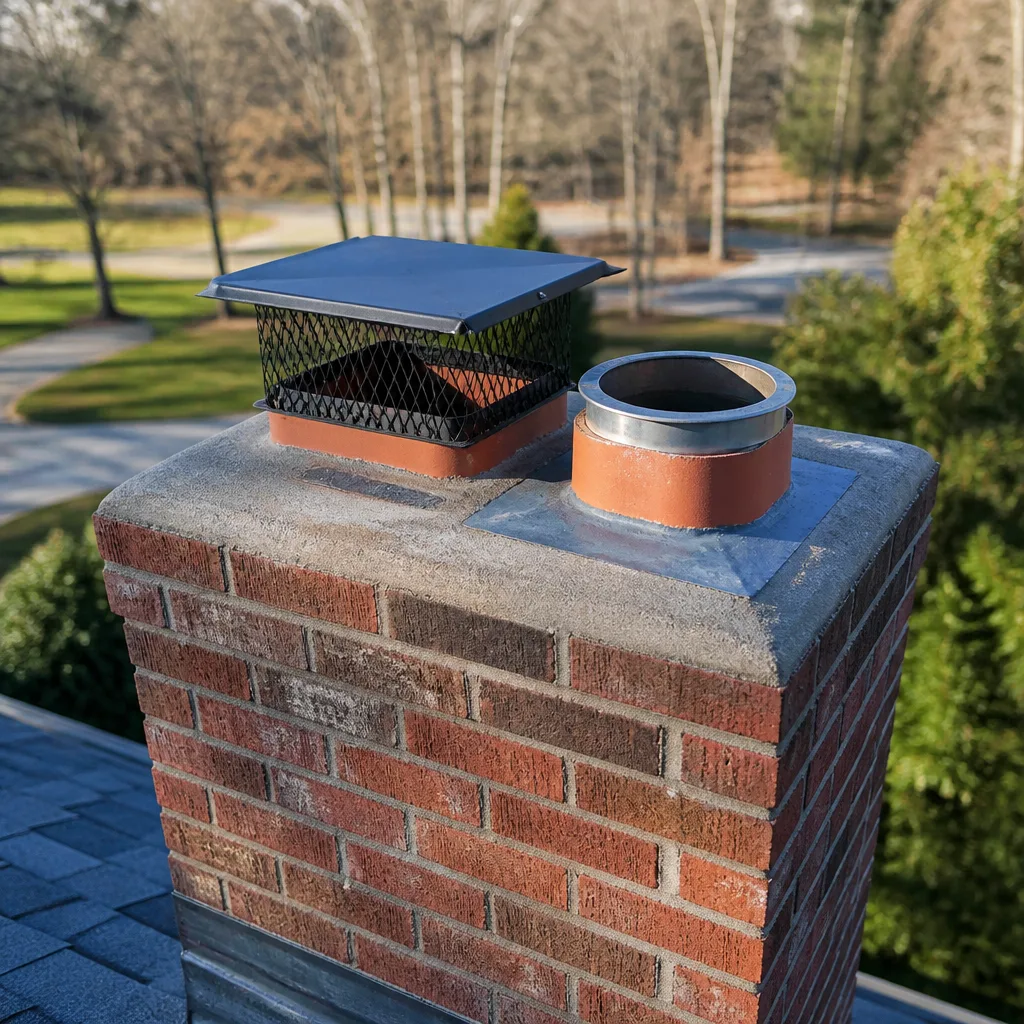 Sweep & inspection
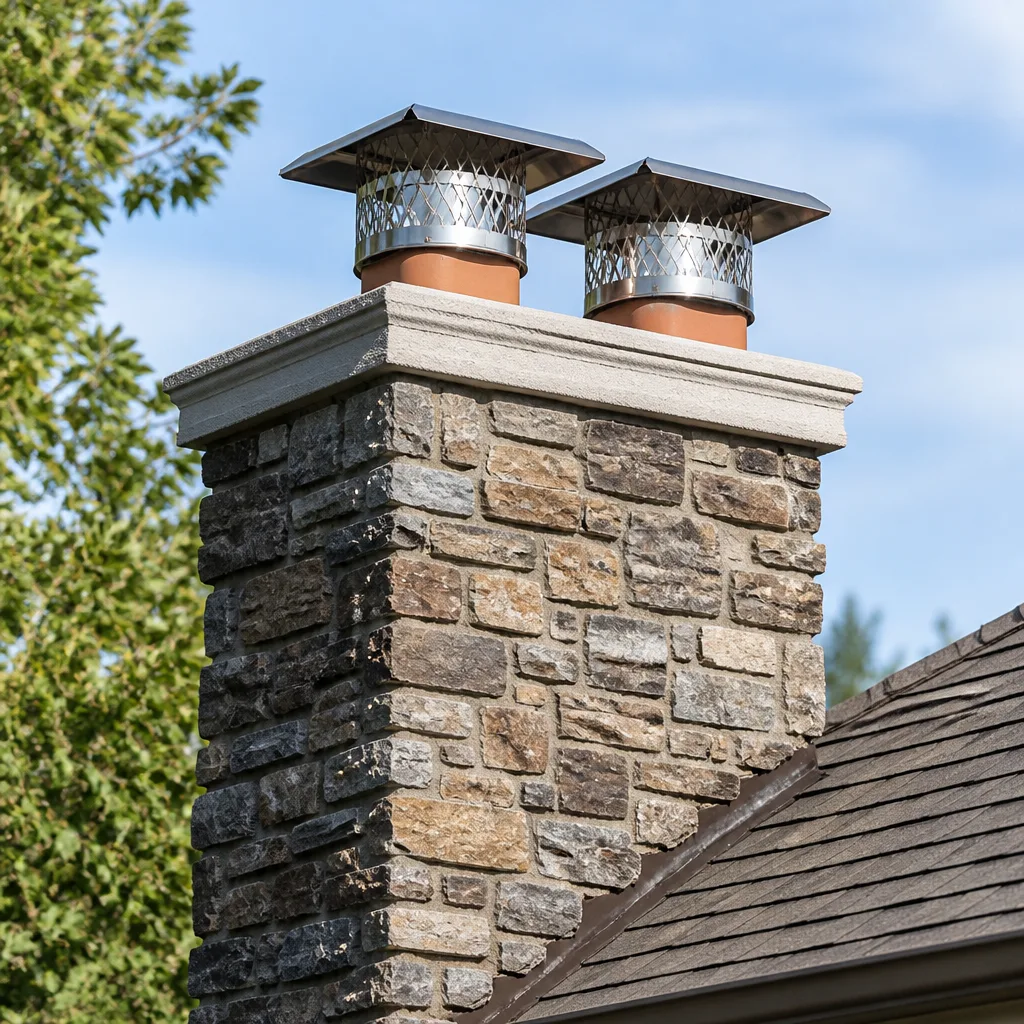 Caps & crowns
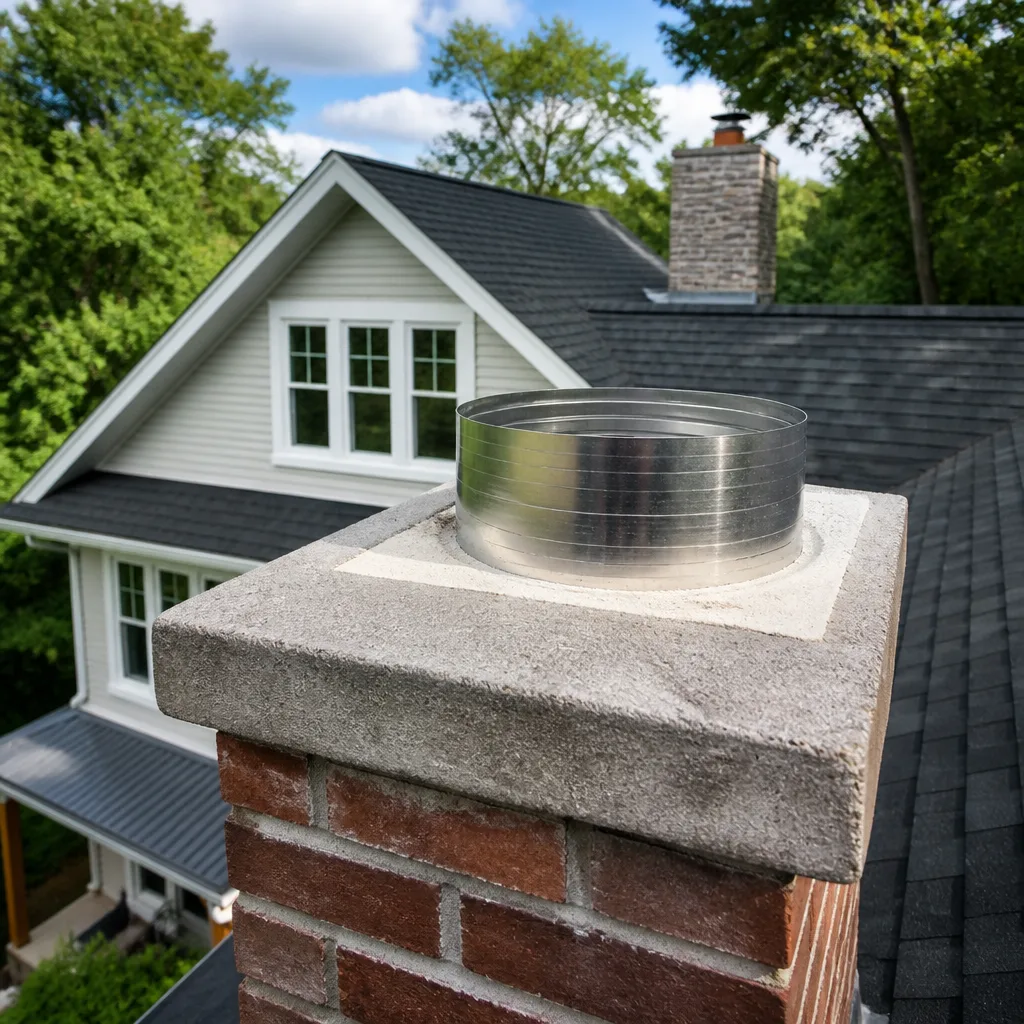 Flue relining
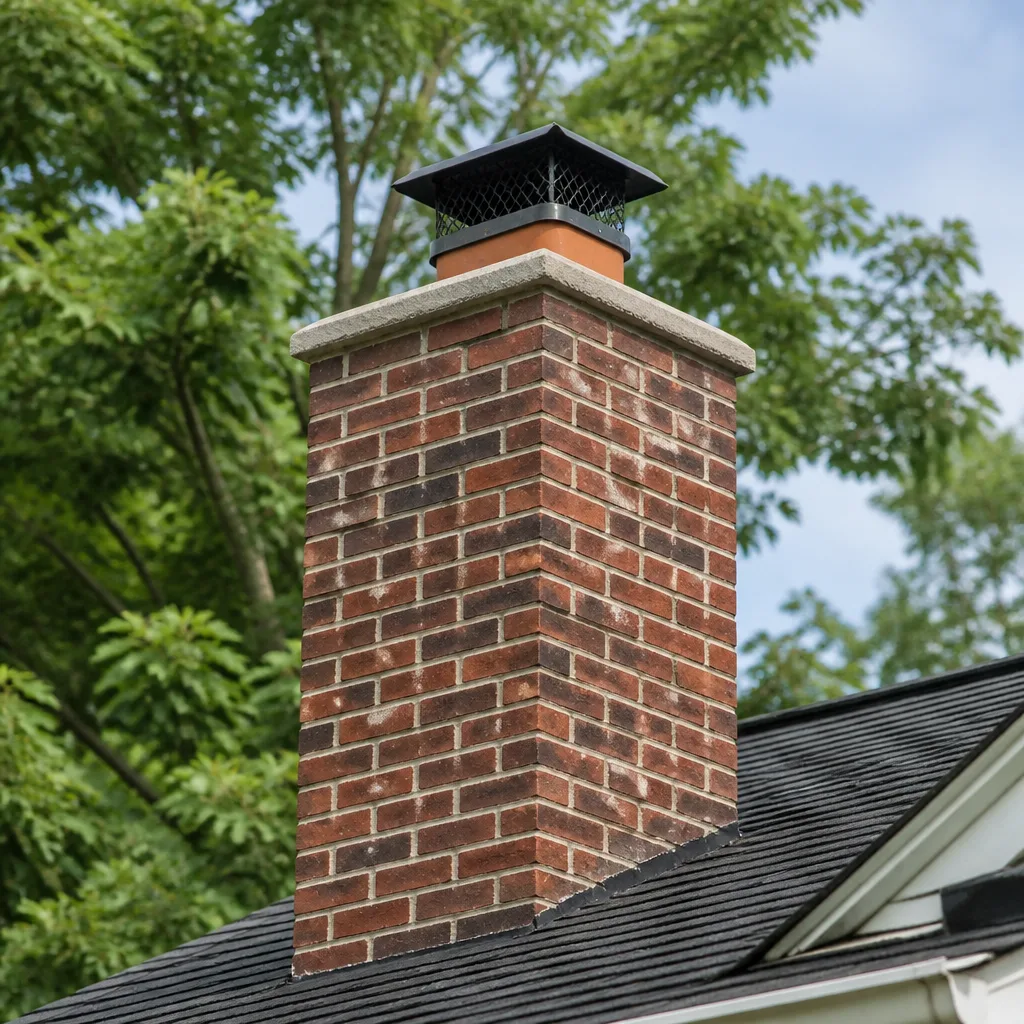 Masonry repair
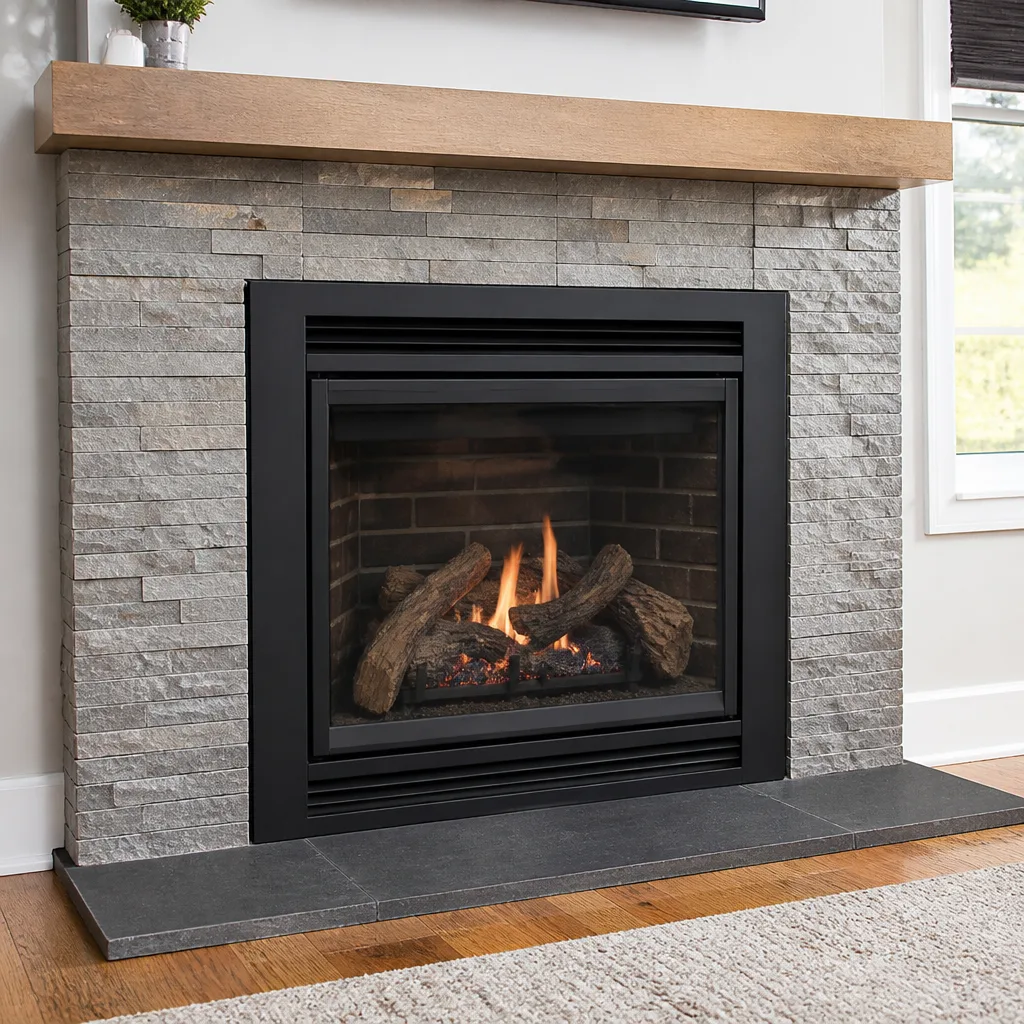 Gas fireplace service
Level 1 sweep and inspection to the NFPA 211 annual standard - flue, crown, cap, and flashing checked and photographed
Chimney sweep logs do not sweep chimneys. They loosen some creosote - which then falls where a brush and vacuum still have to collect it.
The Complete Guide to Chimney Cleaning in Port Richmond
Most chimney fires don’t start in the flue. They start in the components no basic sweep ever touches: the smoke chamber, the corbeled brick above the damper, the crown that’s been quietly spalling water into the masonry for years. A “cleaning” that stops at the firebox floor is only addressing part of the system. In Port Richmond, where rowhouse chimneys share walls and often carry their original terra cotta liners, that gap between what gets cleaned and what actually needs inspecting matters more than most homeowners realize. This guide maps the full chimney system component by component, explains what each part needs during a professional visit, and shows you exactly what to expect, ask for, and verify before the technician packs up and leaves.
Quick Answer
A professional chimney cleaning in Port Richmond is a full-system inspection, not just a flue brushing. It should cover six components: the crown, cap, flashing, smoke chamber, damper, and liner – each inspected, documented, and cleaned as needed. A proper visit ends with a camera inspection report and a photo record you can see for yourself, plus a clear answer on what needs work now and what can safely wait.
Styles & brands we work with
- Sweep & inspection
- Caps & crowns
- Flue relining
- Masonry repair
- Gas fireplace service
Table of Contents
- What the Six Components of a Chimney System Are
- Why Port Richmond’s Rowhouse Stock Changes the Job
- What CSIA Level 1, 2, and 3 Inspections Include
- Sweep-Only Visit vs. Full-System Service
- What Happens During a Professional Cleaning Visit
- What You Should See, Receive, and Ask Before the Technician Leaves
- When to Schedule Cleaning in Port Richmond
- What Chimney Cleaning Costs and What Drives the Price
What the Six Components of a Chimney System Are
A chimney is not a pipe. It’s an assembly of parts that each fail in a different way, and a cleaning that only addresses one of them leaves the rest to degrade unseen. Here’s how the six main components break down, and what each needs during a proper visit.
1. The Crown
The crown is the concrete or masonry cap at the very top of the chimney that sheds water away from the structure. In Port Richmond’s older rowhouses, many crowns are original and have developed hairline cracks from freeze-thaw cycles. A cracked crown lets water into the masonry, which then spalls and cracks during winter. During a cleaning visit, the crown should be checked from the roof for cracking, spalling, and proper overhang.
2. The Cap
The cap (sometimes called the chase cover or a top-sealing damper) sits above the flue and keeps rain, birds, and debris out. A missing or rusted cap is one of the most common causes of water damage we see. Caps from Gelco and Famco are purpose-engineered for the flue size, which matters more than a generic hardware-store cover. The cap should be inspected for fit, fastening, and rust.
3. The Flashing
Flashing is the metal seal where the chimney meets the roof. Failed flashing is the leading cause of roof leaks around a chimney, and it’s rarely visible from the ground. It should be checked for lifting, corrosion, and proper integration with the roofing material during any full inspection.
4. The Smoke Chamber
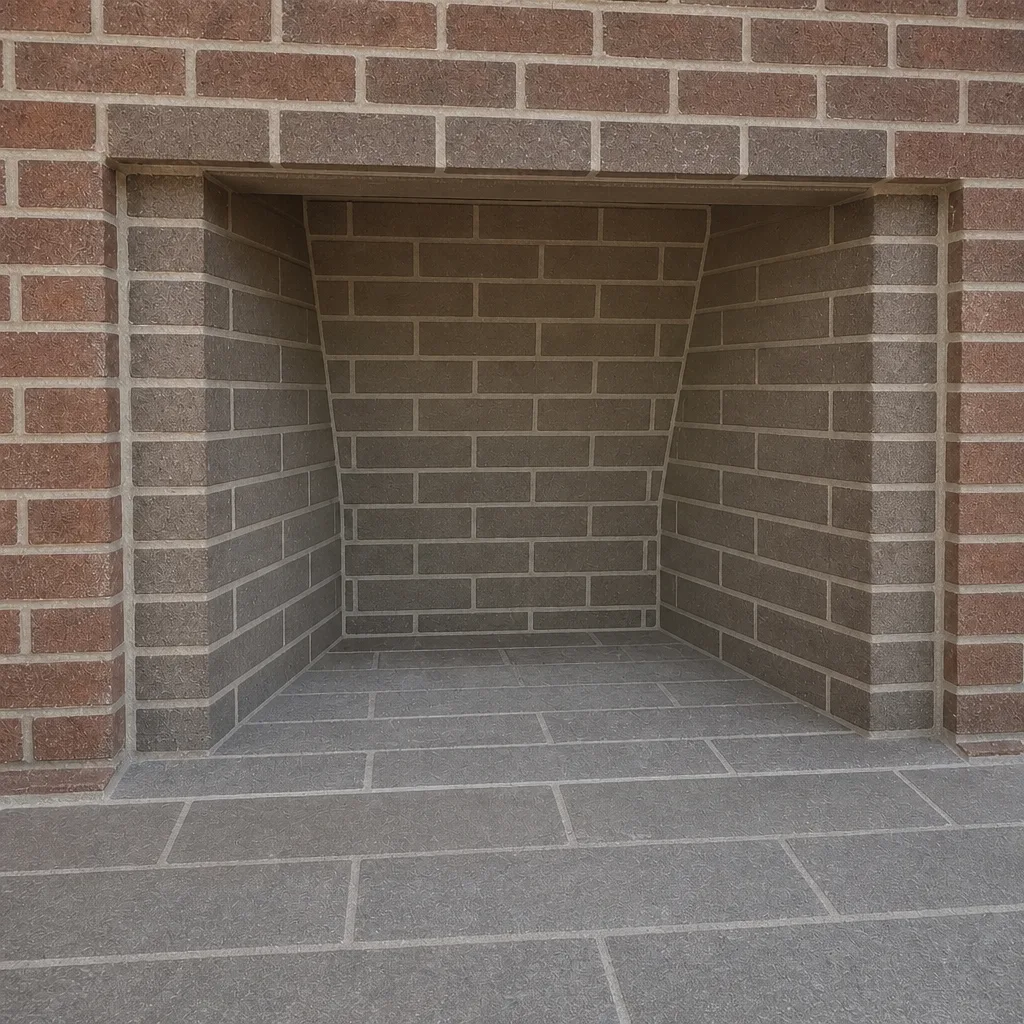
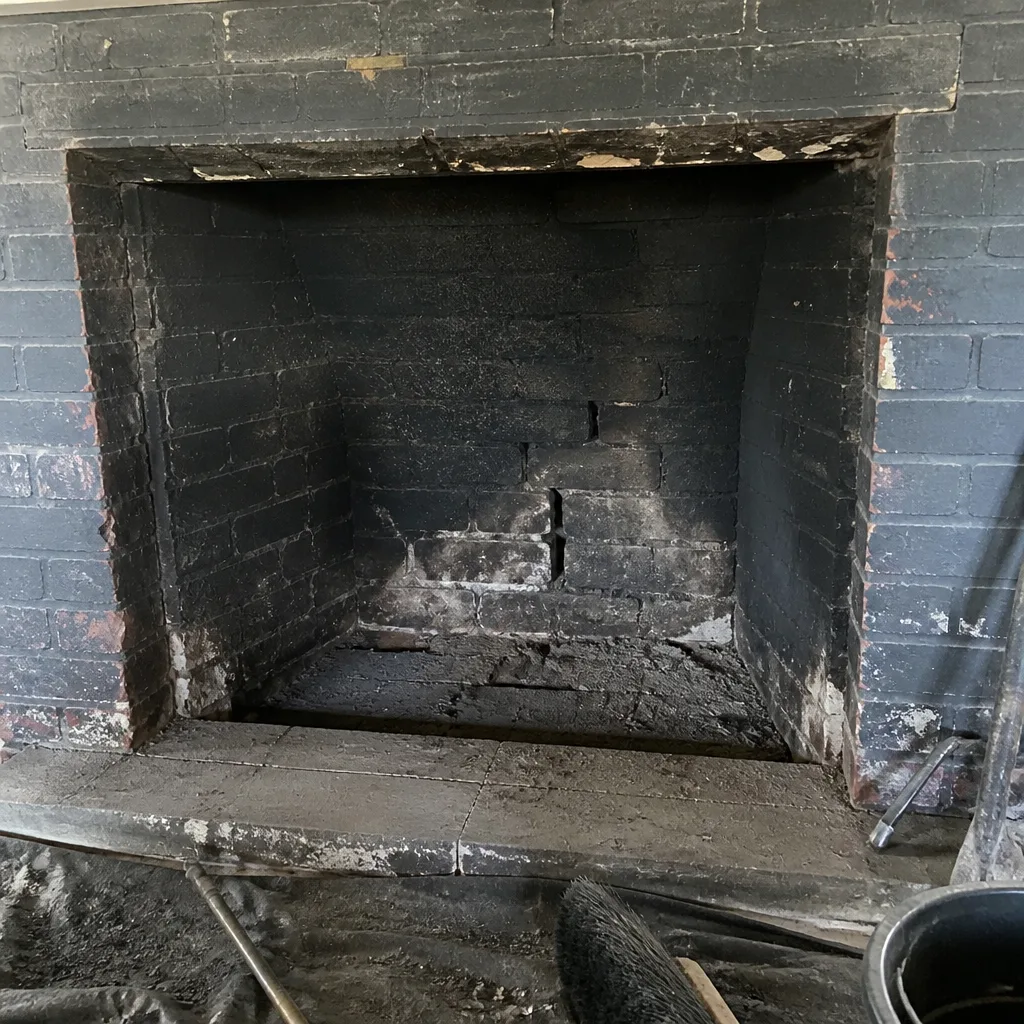
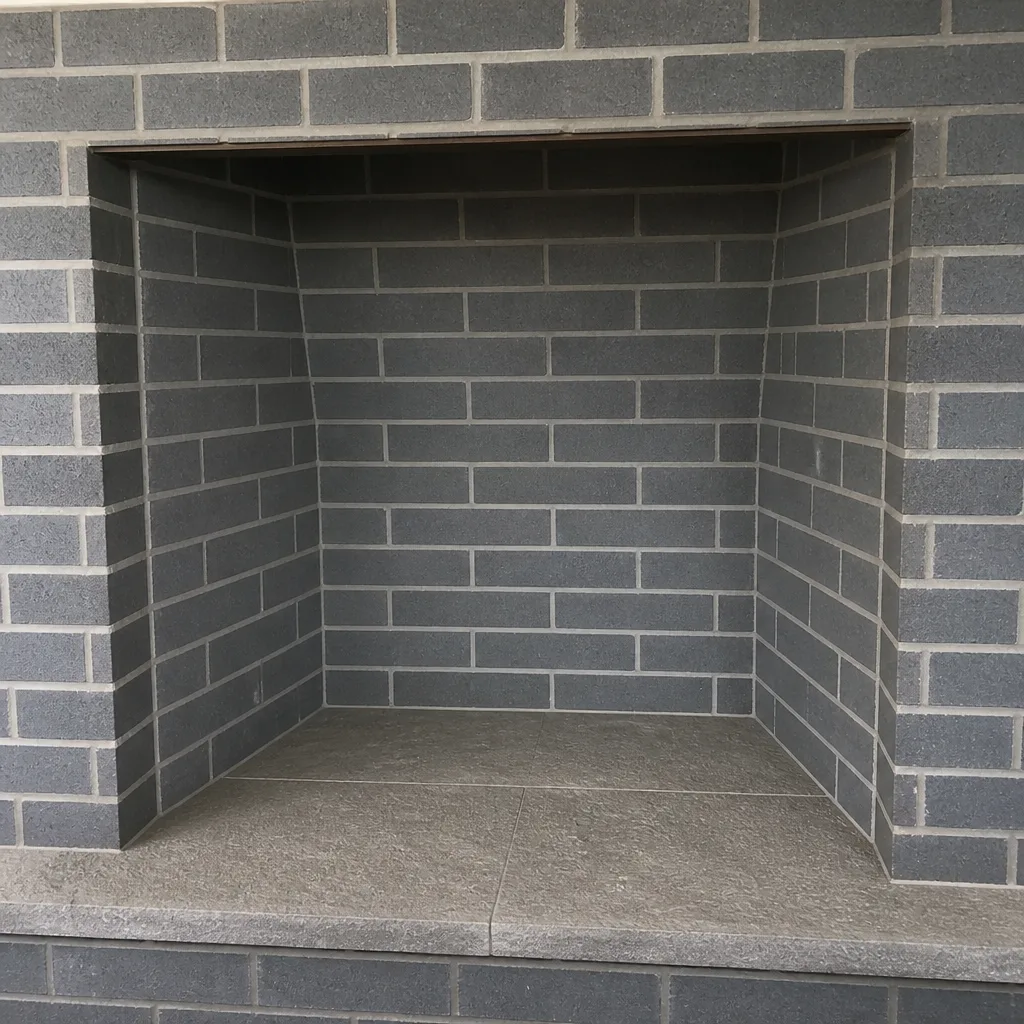
This is the tapered space above the damper and below the flue, and it’s the component most sweep-only visits skip entirely. The corbeled brick in a smoke chamber creates ledges where creosote collects, and those ledges are a common ignition point for chimney fires. HeatShield is the product that resurfaces a deteriorated smoke chamber without a full tear-out. A proper cleaning includes brushing and inspecting this area, and if the mortar is failing, restoration is the answer rather than a rebuild.
5. The Damper
The damper is the metal door that seals the firebox when the fireplace isn’t in use. It should open and close freely, seal fully, and not be warped or rusted. A stuck-open damper wastes heat and lets cold air down the flue all winter, which any Port Richmond homeowner will notice on a January bill.
6. The Liner
The liner is the flue itself, and in pre-1940 Port Richmond rowhouses it’s often the original terra cotta tile. Terra cotta cracks under thermal stress and shifting masonry. A cracked liner lets carbon monoxide and heat into the wall cavity, which is a serious safety issue. This is where a camera inspection matters: you can’t see a liner crack from the firebox. DuraFlex flexible liner systems are the solution for older or offset flues that rigid liners won’t fit. The liner should be inspected with a camera and documented.
Why Port Richmond’s Rowhouse Stock Changes the Job
Port Richmond’s housing stock is dense, connected, and old, and that changes how a chimney cleaning should be done. When one chimney shares a wall with the next, everything from smoke tracking to structural repairs involves the neighbor’s side of the partition. When the flue is offset, the liner has to flex around a bend. And when the original terra cotta is 80-plus years old, the liner is more likely to be cracked than intact.
Here’s what that means in practice for a Port Richmond job:
- Shared walls: Smoke and water can travel through shared masonry. If a neighbor reports smoke smell in a room with no fireplace, that’s worth mentioning during an inspection.
- Offset flues: Many rowhouse chimneys jog around a structural element near the roofline. A flexible liner like DuraFlex can navigate that offset; a rigid liner can’t. If a crew tells you your flue can’t be lined, ask whether they use flexible systems.
- Original terra cotta: In pre-1940 construction, the clay tile liner is often cracked and the mortar joints are eroded. A camera inspection is not optional in these chimneys; it’s how you find out whether the liner is sound.
- Interior chimneys: Many Port Richmond chimneys are interior rather than exposed, which changes how creosote condenses and how a cleaning is staged (more drop-cloth work, more indoor dust control).
- Height and access: Two- and three-story rowhouses mean roof access is a ladder job for an experienced technician, not a quick peek. Crown and cap work is done from the roof, and it’s done carefully.
If a sweep shows up, brushes the firebox, and leaves without going up top, that visit didn’t cover the system. Our chimney sweep visits in Port Richmond go crown to firebox because that’s what the housing stock here requires.
What CSIA Level 1, 2, and 3 Inspections Include
The Chimney Safety Institute of America defines three inspection levels, and knowing which one you’re getting is the single biggest factor in whether a visit actually protects your chimney. Most routine cleanings call for Level 1 or Level 2; Level 3 is for specific conditions. Here’s how each breaks down.
Level 1 Inspection
A Level 1 inspection covers the readily accessible portions of the chimney and fireplace: the firebox, damper, smoke chamber entrance, and the accessible parts of the flue, plus the exterior from the ground and roofline. It’s appropriate for a chimney that’s in known good condition, has been serviced regularly, and isn’t changing use. This is what a routine annual cleaning usually includes.
Level 2 Inspection
A Level 2 inspection adds a video camera scan of the flue interior and access to concealed areas. It’s required whenever there’s a change in the system: a new appliance, a change in fuel type, a chimney that’s been through a chimney fire, a property sale, or an earthquake or severe weather event. It’s also what you want any time a technician tells you “something looks off” up top, because the camera is the only way to see a liner crack. In Port Richmond’s older rowhouses, a Level 2 inspection is a reasonable default on any chimney that hasn’t been documented recently.
Level 3 Inspection
A Level 3 inspection is a Level 2 plus access to concealed areas through demolition or removal of parts of the chimney or building. It’s reserved for specific problems that can’t be diagnosed any other way, and it’s not part of a routine cleaning.
Ask which level the technician will perform before the visit begins. If you’ve bought a Port Richmond rowhouse and don’t have documentation, that’s the trigger for a Level 2.
Sweep-Only Visit vs. Full-System Service
The difference between a sweep-only visit and full-system service is not marketing; it’s the difference between a cleaned firebox and a documented chimney. Here’s specifically what gets skipped in a sweep-only visit, and what a full-system company catches.
What a sweep-only visit typically covers
- Brushing the firebox and accessible flue
- Vacuuming creosote and soot
- A visual look at the damper
- A verbal “you’re good” on the way out
What a full-system service adds
- Crown and cap inspection from the roof
- Flashing check at the roofline
- Smoke chamber brushing and inspection for corbelled-brick creosote
- Camera scan of the liner with a photo record
- Written documentation of what was found, what needs work now, and what can wait
- Capability to actually do the repair, not just flag it: chimney repair, liner installation, and rebuilding are done by the same team, no handoffs
Our approach combines the sweep and the inspection on purpose. When the technician who finds a problem is the same team that fixes it, there’s no gap between diagnosis and work. That’s not a claim about speed or price; it’s a claim about consistency. If you’re tired of being told something is wrong with no way to verify it, this is the difference that matters. We work with a short list of professional-grade brands, HeatShield, DuraFlex, Gelco, Olympia Chimney, Famco, and Copperfield, so the materials have traceability and a manufacturer warranty. See our chimney cap & crown work for how that plays out at the roofline.
What Happens During a Professional Cleaning Visit
A thorough cleaning follows a sequence, and knowing it helps you spot a shortened job. Here’s what a full-system visit should look like, start to finish.
- Setup. Drop cloths go down around the hearth. A high-powered vacuum with a HEPA filter is connected and running before any brushing starts. The work area is protected from soot before the first brush touches the flue.
- Pre-clean inspection. The technician checks the firebox, damper, and smoke chamber for anything that shouldn’t be brushed yet: cracked bricks, a warped damper, signs of a prior chimney fire. This is what protects the masonry during brushing.
- Flue brushing. Brushes sized to the flue go up from below and down from the top. This is where the creosote comes out. Poly brushes for metal liners, appropriate brushes for terra cotta, all of it contained by the running vacuum.
- Smoke chamber work. The smoke chamber gets brushed and inspected. This is the step a sweep-only visit skips.
- Roofline inspection. The technician goes up top to check the crown, cap, and flashing, and to brush the flue from above.
- Camera scan. A video camera goes down the flue to check the liner, joints, and any offsets. The footage should be shown to you and photos saved.
- Debris removal. Soot, creosote, and any fallen masonry are bagged and removed, not left for you to sweep up.
- Walkthrough and written report. Before leaving, the technician walks you through what was found, shows the photos, and gives you a written report with recommendations separated into “do now” and “can wait.”
The full sequence is what we’ve built our process around, and it’s what our team of technicians up to 12 years of experience is trained to deliver on every Port Richmond job.
What You Should See, Receive, and Ask Before the Technician Leaves
You have a right to evidence. A cleaning that ends without proof is a cleaning you can’t verify, and this is the point where homeowners most often get sold work they didn’t need. Here’s the checklist.
What you should see
- The camera footage of your flue, on a screen, in real time, not a screenshot from another job
- The condition of your crown and cap from the roof, either live or photographed
- The firebox and smoke chamber after cleaning
- The soot and creosote that came out, bagged and ready to leave
What you should receive
- A written report with the inspection level noted
- Photos of any issues found, labeled to the component
- A written estimate for recommended work, priced per job, not a verbal figure
- The brand and model of any parts recommended (Gelco or Famco caps, HeatShield restoration, DuraFlex liner), so you can look them up
What you should ask
- Which inspection level did you perform?
- Did the camera show any cracks or gaps in the liner?
- What can safely wait, and for how long?
- Who does the repair if I proceed, and is it subcontracted?
- What’s the written estimate, and what’s the warranty on the parts?
For a full picture of how our team handles the inspection and reporting side, our Chimney Sweep Port Richmond page covers the scope. Nothing should be recommended without camera evidence you can see for yourself. If a technician tells you that you need a new liner or masonry work but can’t show you the damage on screen, tell them you’ll wait for the report; that’s a normal, reasonable answer, and a professional company will respect it. Our satisfaction guarantee is behind the report: if the work isn’t right, we make it right.
When to Schedule Cleaning in Port Richmond
The best time to schedule a cleaning in Port Richmond is before the burning season starts, not in the middle of it. Here’s why, and how to plan around it.
In Port Richmond, chimneys sit mostly idle from spring through fall. That period is when creosote in the flue hardens and the crown dries out after winter freeze-thaw cycling. When you start your first fire in the fall, that’s when the accumulated creosote and the hairline crown cracks are at their worst. If you schedule a cleaning in late summer or early fall, you start the season with a clean flue and a documented condition; you also have time to do any needed repairs before cold weather sets in, which is often when masonry repairs are most disruptive.
The creosote math is straightforward: creosote accumulates faster in a chimney that burns resinous wood, burns with a cool, smoldering fire, or doesn’t draw well. In the dense rowhouse stock of Port Richmond, a chimney that doesn’t draw cleanly is common because offset flues and short stacks reduce draft. If your fire smokes back into the room when you first light it, that’s a draft sign, and it’s a reason to have the flue checked before the season starts.
If you’ve just moved into a Port Richmond rowhouse, schedule a cleaning and inspection before your first fire. You have no idea what the previous owner burned or how long it’s been since the last sweep. A Level 2 inspection will give you a baseline you can track against for years.
Our dispatch runs Sunday through Friday, 7am to 7pm, which lines up with most people’s pre-season schedule. Plan the cleaning for before the first burn, not after.
What Chimney Cleaning Costs and What Drives the Price
A chimney cleaning in Port Richmond is priced per job, not as a flat fee, because the job varies so much between a maintained rowhouse chimney and one that’s years overdue. Here’s what drives the estimate.
- Inspection level: A Level 1 inspection is part of a routine cleaning; a Level 2 adds camera work and concealed access, which is a separate scope.
- Access and roof type: Two- and three-story rowhouses with steep or limited roof access take longer to set up than a single-story chimney.
- Condition: A flue with heavy, glazed creosote takes more passes than one with light soot. A smoke chamber with deteriorated mortar takes more time than one that’s sound.
- Number of flues: A chimney with two or three flues (common in Port Richmond rowhouses with multiple fireplaces) is more than one flue’s worth of work.
- Whether any repair is added: A cap replacement or a HeatShield restoration is priced separately from the cleaning itself, and the written estimate tells you exactly what’s included.
We don’t quote a price over the phone and then change it up top. The estimate is written, agreed before booking, and the final price is set by the written estimate. That’s the only way to give an honest number on a chimney we haven’t seen yet. Because the price varies so widely by condition, the free estimate is the right first step: it’s how we both understand what the job involves before anyone books the work.
Common Mistakes to Avoid
- Assuming “clean” means “safe.” A clean flue with a cracked liner is still dangerous. Ask specifically about liner condition and camera evidence, not just whether the firebox was swept.
- Skipping the roof for the firebox. In Port Richmond’s rowhouse stock, the crown and cap are the most common sources of water damage. If the technician doesn’t go up top, the visit didn’t cover your chimney’s front line against weather.
- Accepting a rebuild quote without a camera scan. A smoke chamber with failing mortar can often be restored with a HeatShield application rather than a full tear-out. Ask for the camera footage before agreeing to major work.
- Burning unseasoned wood to “stretch” the firewood. Wet wood burns cool, which increases creosote buildup faster. Ask about moisture content before the first burn of the season.
- Letting a sweep ignore the smoke chamber. The corbeled brick above the damper is a creosote trap and a common chimney fire point. A sweep-only job skips it. Ask whether the smoke chamber was brushed.
- Using a generic hardware-store cap on a masonry chimney. Purpose-engineered caps from brands like Gelco and Famco fit the flue size and last. Ask what cap is being installed and why.
- Not asking which inspection level you’re getting. A buyer’s inspection and a routine cleaning are different scopes. Confirm before the visit and get it on the report.
See the difference
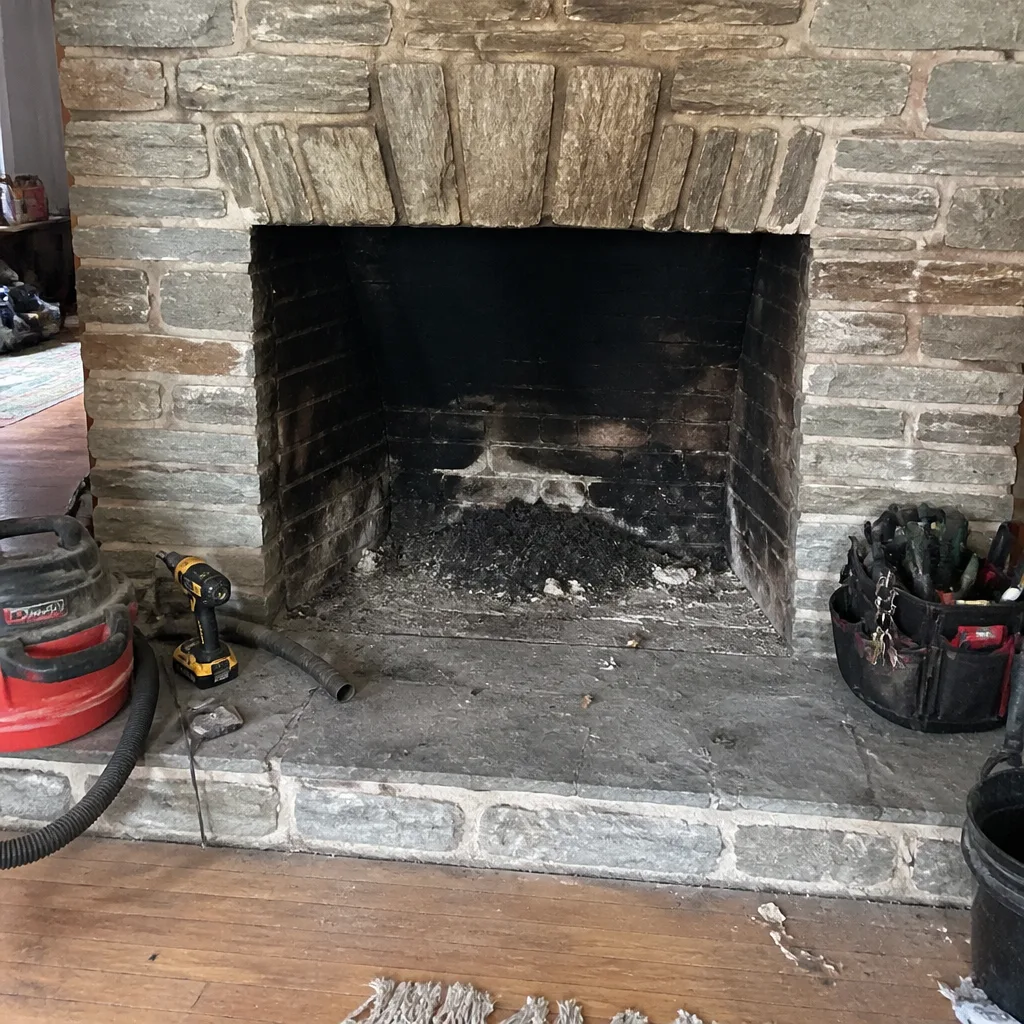 Before
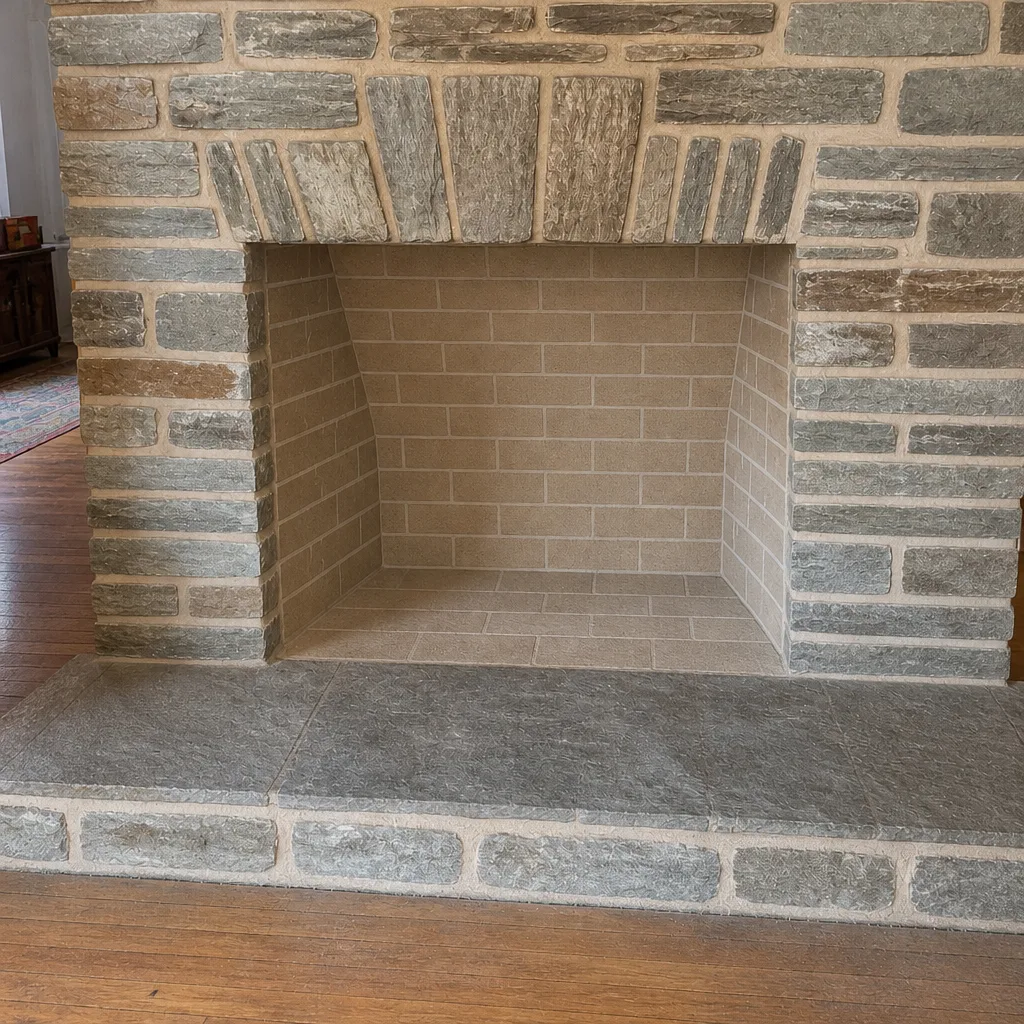 After
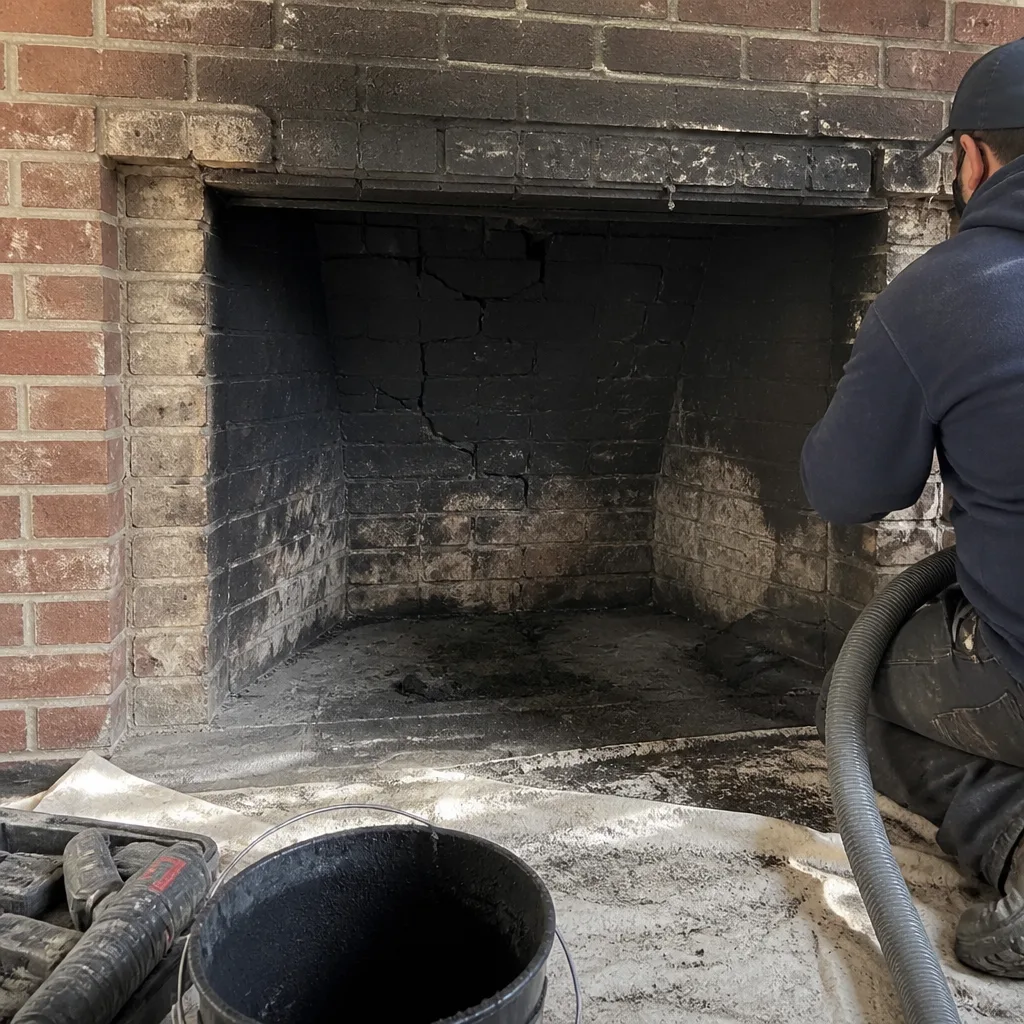 Before
 After
 Before
 After
When to Call a Professional
Call a professional whenever you have any sign that the flue, liner, or masonry may not be sound, and don’t run a fire until it’s checked. Specific situations: you smell smoke in a room with no fireplace (a draft or shared-wall issue), your fire smokes back when you open the damper, you see staining or crumbling on the chimney exterior, you’ve had a chimney fire (even a small one), you buy a Port Richmond rowhouse and don’t have documentation, or it’s simply been more than a year since the last cleaning and inspection. Chimney Sweep Port Richmond offers free estimates in Port Richmond. Call (833) 754-6815. We answer 24/7. Fast dispatch from 7am to 7pm, Sunday through Friday.
Frequently Asked Questions
A chimney cleaning in Port Richmond is priced per job by a written estimate, not as a flat fee, because the scope varies with inspection level, chimney height, number of flues, and condition. The estimate is free, and the price is set by the written estimate before work begins. Call (833) 754-6815 for an exact quote; estimates are free.
A chimney should be swept annually, or sooner if you burn more than a cord of wood a year, if you notice draft problems, or if you’ve had a chimney fire. In Port Richmond’s older rowhouses, an annual visit that includes a camera inspection is the right baseline. Call (833) 754-6815 to book a pre-season sweep; estimates are free.
Only if the camera shows damage. A liner with cracked or deteriorated tiles needs replacement or restoration, because a failed liner lets heat and carbon monoxide into the wall cavity. If the camera shows an intact liner, you don’t need a new one. We don’t recommend liner work without camera evidence you can see. Call (833) 754-6815 for a Level 2 inspection; estimates are free.
The creosote in the flue keeps accumulating, and the crown and cap keep weathering without inspection. Creosote is the fuel that makes a chimney fire possible, and a cracked crown or failed cap lets water into the masonry, which then cracks and spalls during freeze-thaw. Neither happens overnight; both are cheaper to catch early. Call (833) 754-6815 to schedule before the season; estimates are free.
Yes. A full cleaning includes a roofline inspection of the crown, cap, and flashing, done from the roof. That’s where the most common weather damage starts, and in Port Richmond’s dense rowhouse stock, it’s not optional. Call (833) 754-6815 for a free estimate.
Ask for the camera footage and a written estimate first, and ask whether restoration (like a HeatShield application) is an option before a full rebuild. A rebuild is sometimes the right answer, and a restoration is sometimes enough. The evidence should decide, not the quote. Call (833) 754-6815 to schedule a second look; estimates are free.
The Bottom Line
A chimney cleaning that stops at the firebox floor leaves five of six components unaddressed. The crown, cap, flashing, smoke chamber, damper, and liner each fail in their own way, and each needs inspection, not just a passing glance. In Port Richmond’s rowhouse stock, with its shared walls, offset flues, and original terra cotta liners, a camera inspection and a written report are what separate a real service from a sweep-and-leave. Ask which inspection level you’re getting, see the footage, get the report. One company for the sweep, the repair, and the rebuild is what we’re built to deliver, and it’s why we work with professional-grade materials from brands like HeatShield, DuraFlex, and Gelco.
Call (833) 754-6815 for a free estimate. We answer 24/7. Fast dispatch from 7am to 7pm, Sunday through Friday.
Written by the team at Chimney Sweep Port Richmond.