
Last updated November 22, 2026
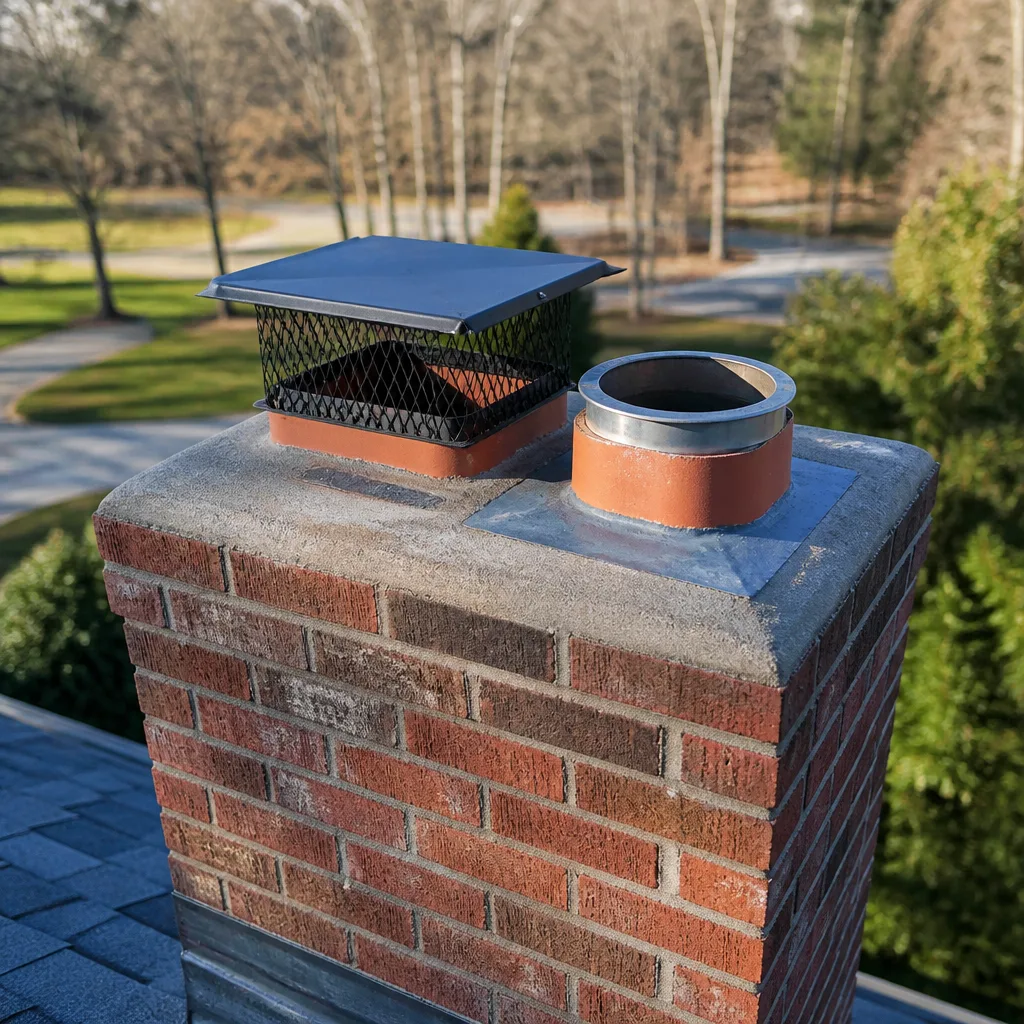 Sweep & inspection
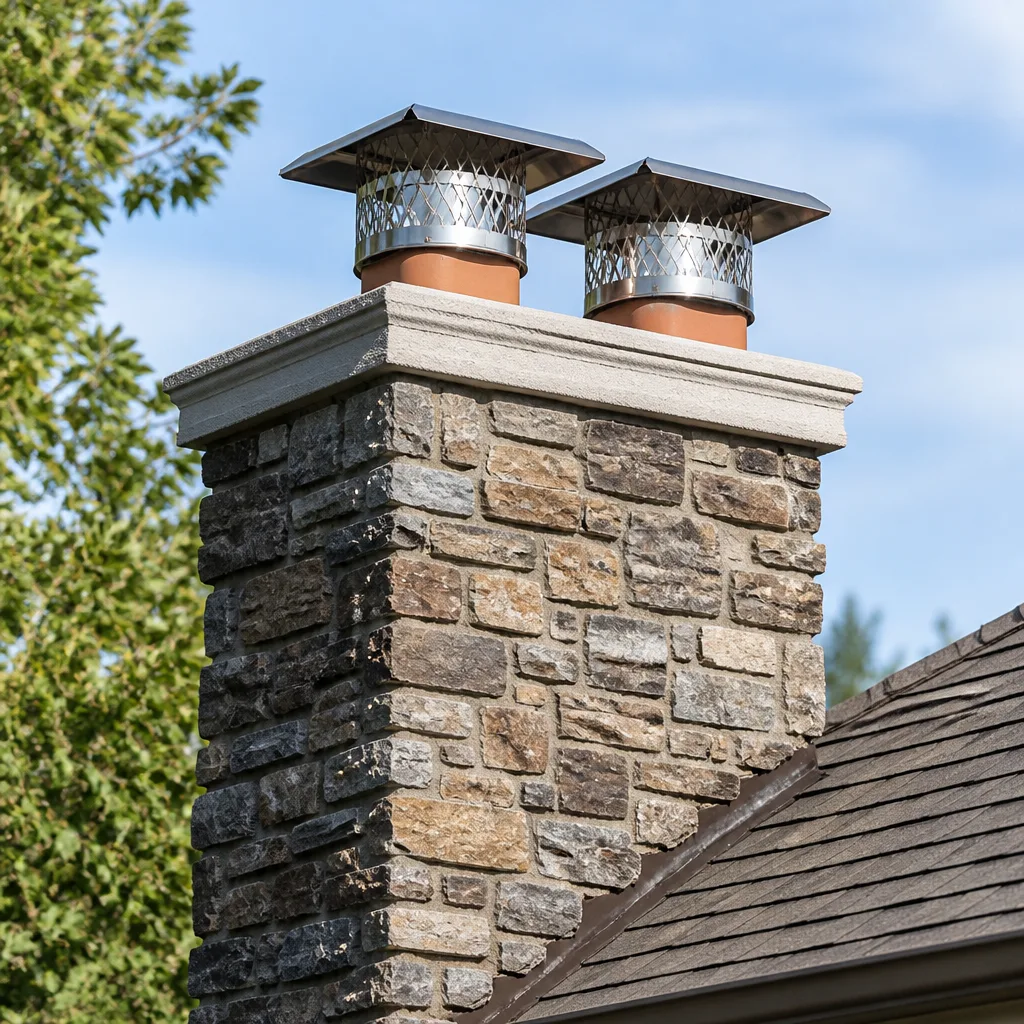 Caps & crowns
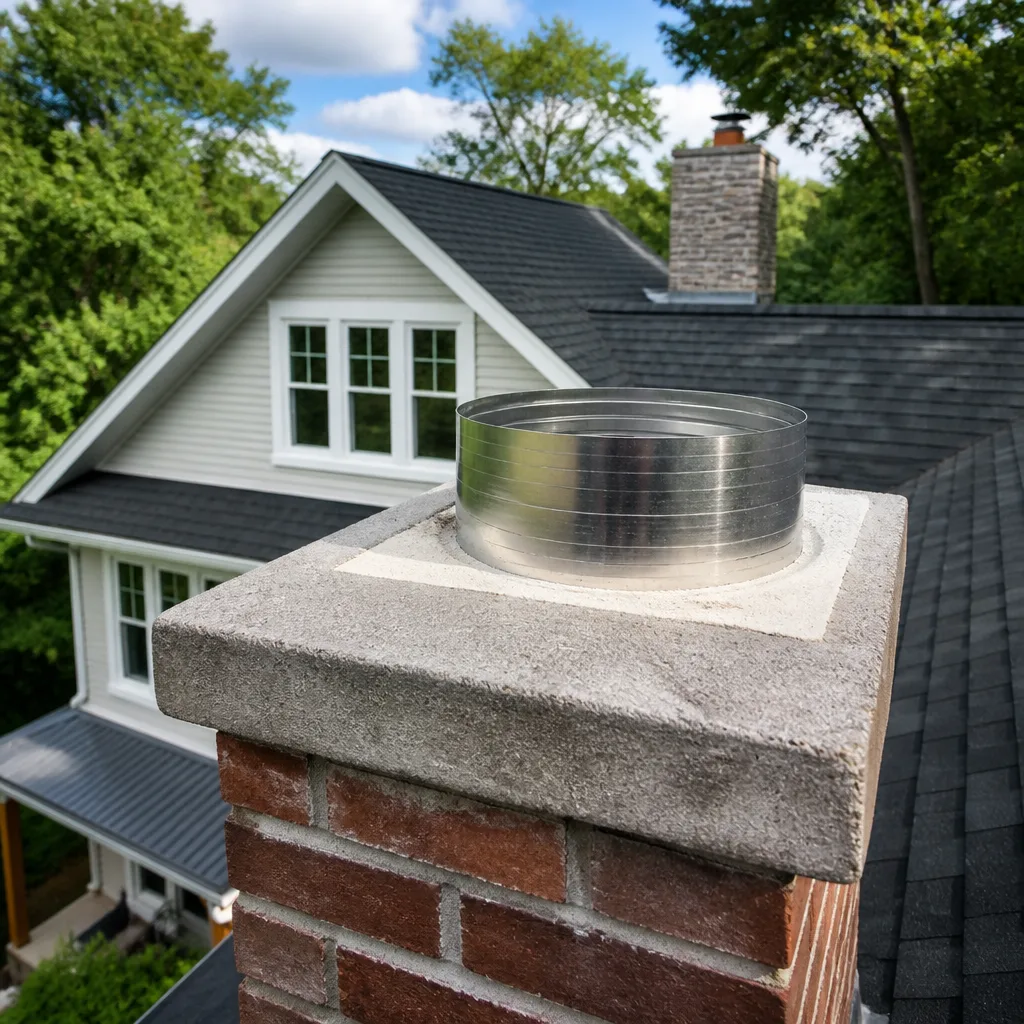 Flue relining
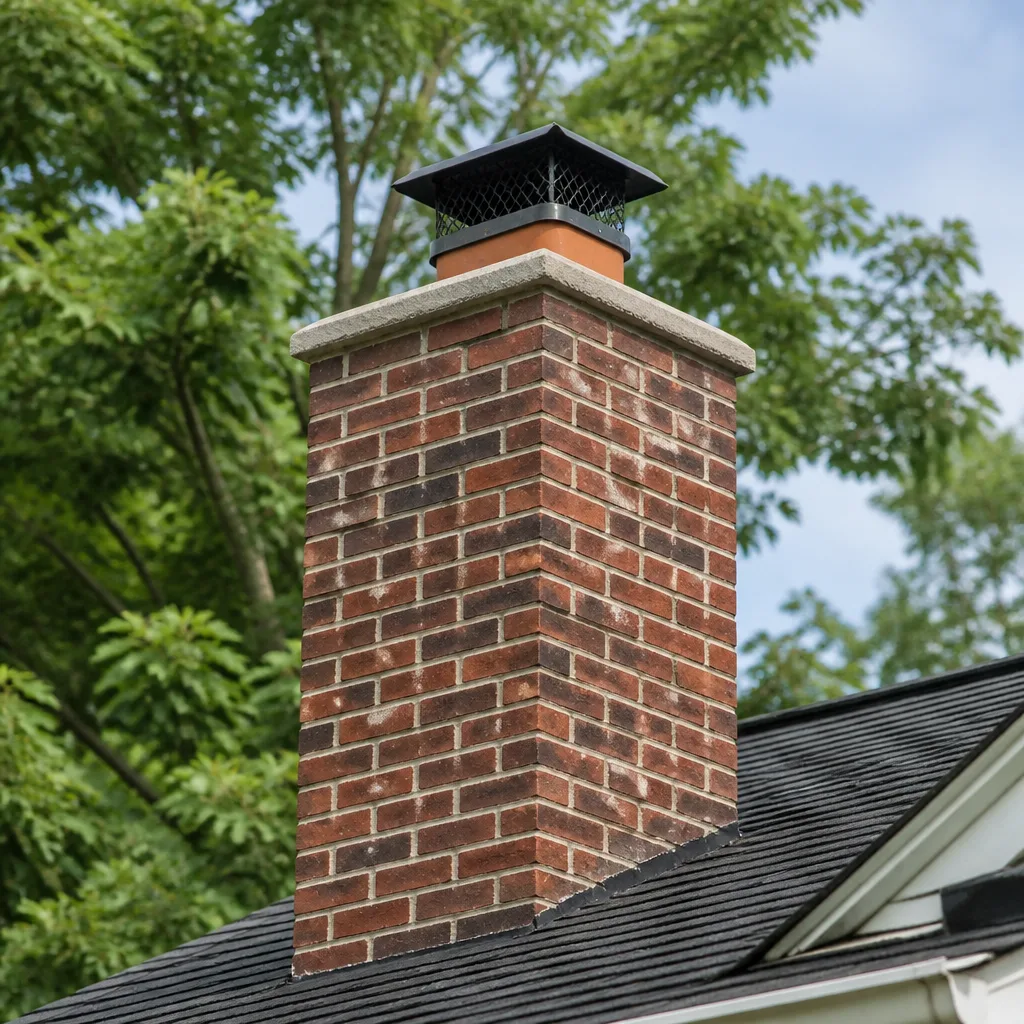 Masonry repair
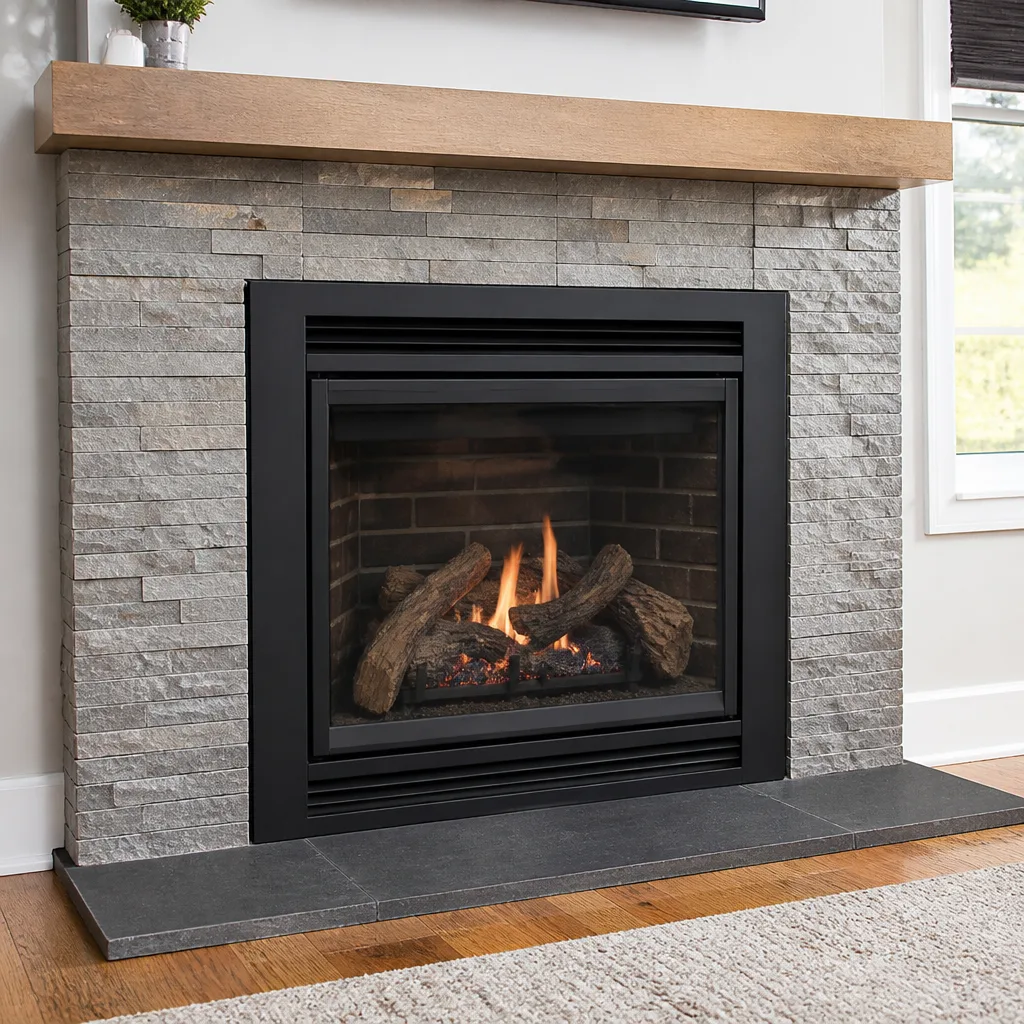 Gas fireplace service
Level 1 sweep and inspection to the NFPA 211 annual standard - flue, crown, cap, and flashing checked and photographed
Chimney sweep logs do not sweep chimneys. They loosen some creosote - which then falls where a brush and vacuum still have to collect it.
Seasonal Chimney Cleaning Care for Port Richmond: Year-Round Homeowner’s Guide
Most homeowners think about the chimney twice a year: once when the first cold snap hits and once when they’re cleaning up after the last fire. That’s backwards. In Port Richmond, the chimney is working or recovering every month of the year, and the six months it sits idle are when most of the expensive damage actually happens. Moisture moves into masonry joints when nothing is burning, freeze-thaw cycles work the crown loose, and a flue that was fine in April can read very differently by September. This guide walks through both halves of that cycle, month by month, so you know what to check, when to book, and what a real pre-season inspection should cover before the fall rush closes every schedule in the city.
Quick Answer
Year-round chimney care in Port Richmond means scheduling a pre-season inspection in August or September, watching for glazed creosote at the damper throat during the heating months, and using spring and summer to address moisture damage before it reaches the flue. A chimney sweep and inspection in late summer protects your heating season; the spring and summer work protects the masonry itself. The worst time to discover a cracked flue tile is November, when every sweep in the city is backlogged and you are facing a cold house or a fireplace you don’t dare light.
Styles & brands we work with
- Sweep & inspection
- Caps & crowns
- Flue relining
- Masonry repair
- Gas fireplace service
Table of Contents
- Why Chimney Care in Port Richmond Follows Two Seasons, Not Four
- The August-September Pre-Season Window: Book Before the Rush
- Winter Mid-Season Check: The One Visual Indicator That Tells You It’s Time
- Spring Post-Season Tasks: Cap, Crown, and Flashing
- Philadelphia Summer Humidity and What It Does to Masonry Chimneys
- A Month-by-Month Task Calendar for Port Richmond Homeowners
- When Cleaning Stops Being Enough: Liner, Crown, and Rebuild Work
- What a Pre-Season Inspection Should Actually Cover
Why Chimney Care in Port Richmond Follows Two Seasons, Not Four
Port Richmond’s heating season is long. Oil heat, gas inserts, and wood-burning fireplaces often run from October straight through April, and in a stretch like that the flue sees real thermal load. Creosote accumulates faster on a flue that’s cycling hot and cold than on one that burns steadily, and the masonry absorbs the stress of repeated expansion and contraction. Then the season ends, the fireplace goes quiet, and the chimney sits through a Philadelphia summer that is genuinely humid. Six months of heat, six months of moisture. Those two facts shape everything else in this guide.
What most seasonal guides get wrong is treating the off-season as rest. It isn’t. It’s exposure. A masonry chimney in Port Richmond spends the summer wicking moisture through its brick and mortar joints, and when the first hard freeze lands in late fall, any water held inside the masonry expands and works the joints loose. The damage shows up in spring as spalling brick, white efflorescence staining, and a crown with hairline cracks that weren’t there in October. That’s the sequence to interrupt, and it’s why we tell Port Richmond homeowners that chimney care is a year-round calendar, not an October phone call.
There’s a practical side to this too. The heating season is the busy season for every chimney specialist in Philadelphia, and Port Richmond homes are no exception. When the first sustained cold arrives, the schedule fills and a routine sweep turns into a wait. If you’ve had a pre-season look in August, you know what you’re facing in October. If you haven’t, you’re finding out about it in November when the options are the fireplace you can’t safely light or a cold house. The calendar below is built around avoiding that choice.
The August-September Pre-Season Window: Book Before the Rush
The best weeks of the year to book chimney work in Port Richmond are the ones most homeowners spend thinking about vacation. August and September are the pre-season window, and there are two reasons it matters. The first is scheduling: a pre-season inspection gives you time to complete any repair before the first fire, rather than discovering the problem with a cold house breathing down your neck. The second is diagnostic. A flue inspected in warm weather is being read at rest, without the soot load and thermal activity of a working heating season, and it’s easier to see what the summer’s moisture has done.
A proper pre-season visit covers more than a sweep. Here is what we expect a pre-season inspection to walk through, in order:
- Visual exterior check. The cap, the crown, the flashing at the roofline, and the brick face. This is where the freeze-thaw damage from the previous winter is most visible.
- Firebox and damper inspection. Damper operation, firebox seams, and whether the smoke chamber is coated or showing gaps.
- Flue evaluation. A camera inspection of the flue interior, looking for cracked tiles, gaps at the joints, and the creosote load left from last season.
- Sweep, if needed. If the camera shows buildup, sweep and recheck. The sweep and the inspection should never be separate conversations.
- Written assessment. Not a verbal “you’re good to go,” but a camera photograph and a written note for anything flagged, so you know exactly what you’re looking at.
Port Richmond has a mix of older rowhouse chimneys and masonry stacks on detached homes, and the pre-season inspection differs by type. Rowhouses often share a party-wall chimney structure and interior flues that are harder to read from the roof alone; the camera does most of the work. Detached masonry stacks show crown and flashing problems earlier because they take the weather on all four sides. Either way, the goal is the same: nothing should be a surprise in November. Call (833) 754-6815 to book a pre-season assessment. We answer 24/7, and fast dispatch runs from 7am to 7pm, Sunday through Friday.
Winter Mid-Season Check: The One Visual Indicator That Tells You It’s Time
Once the heating season starts in Port Richmond, the chimney is working every fire. Most homes won’t need anything done mid-season, but some will, and there’s a simple test that tells the difference. Look at the damper throat after a fire burns down and cools. If you see glazed, hard, or tar-like black deposits at the damper throat rather than dry, flaky soot, that’s a signal: the flue is accumulating glazed creosote, and a mid-season sweep is worth booking before spring rather than waiting it out. Glazed creosote is dense and hardened, and it takes more than a routine brush pass to remove.
Two other mid-season red flags are worth knowing:
- Smoke that lingers in the room or rolls out at startup. This often points to a partially blocked flue or a draft problem, not just a cold chimney. Have it checked.
- Oily smell after a fire. A chimney that smells like asphalt or kerosene after shutoff can be loaded with creosote. It’s worth a look even if the fire drew well.
If your fireplace uses gas, the mid-season check is different but still worth doing. A gas insert doesn’t produce creosote, but the venting can draw irregularly, and the fireplace log set and burner should be visually checked for debris or blockage. If your home uses oil heat and a separate flue, the oil flue deserves its own check; oil soot is not the same as wood soot, and it’s a separate service. In our experience, Port Richmond homes running oil heat and wood fireplaces side by side benefit from keeping the two flue checks on separate calendars so neither gets lost.
Mid-season work is worth flagging for the safety reason: creosote plays a role in chimney fires, and a chimney fire is a serious event. We’re not in the business of scaring anyone, but a routine mid-season sweep is cheap insurance against a much larger problem. Call (833) 754-6815 if you see glazed deposits or the signs above. We answer 24/7. A call outside dispatch hours is booked into the next opening, Sunday through Friday, 7am to 7pm.
Spring Post-Season Tasks: Cap, Crown, and Flashing
Spring is the season to catch what the winter did. After the last fire burns down in Port Richmond, the chimney passes from thermal stress into moisture exposure, and the damage that develops is mostly in the masonry. The main tasks are visible from the ground with binoculars and confirmed on the roof:
- Inspect the cap. A cracked or missing cap lets water straight into the flue and gives animals a way in. Caps we install use purpose-engineered products from brands like Gelco and Famco, not improvised hardware-store covers, because a cap has to do more than keep rain out.
- Inspect the crown. The crown is the concrete or masonry top that sheds water away from the stack. A hairline crack in spring becomes a chunk of missing crown by fall. Crown work is one of the highest-value things you can do in the off-season.
- Check the flashing at the roofline. Where the chimney meets the roof, the flashing and sealant takes the worst of the freeze-thaw movement. Check for gaps, lifting, or missing sealant now, when a repair is cheap, not in November when a leak is showing up as a stain on a living-room ceiling.
- Test for moisture in the masonry. Tap the brick and look at the mortar joints. Soft, crumbling mortar and brick that sounds hollow are signs the masonry took on water over the winter.
- Crack the damper open for the summer. Leaving the damper just barely open through the warm months lets air circulate through the flue and helps it dry out. It also reduces the stale, smoky smell of a closed-up chimney in summer.
Spring is also when a repair that was noted in the fall, and deferred through the heating season, should be completed. There’s real value in finishing chimney repair work in the spring: the masonry has time to cure and settle before the next heating season, and you aren’t racing a cold snap to finish a crown. Call (833) 754-6815 to book a post-season inspection. We answer 24/7, with fast dispatch from 7am to 7pm, Sunday through Friday.
Philadelphia Summer Humidity and What It Does to Masonry Chimneys
Summer is the season when the most expensive chimney problems start, quietly, with no fire in the fireplace. Philadelphia summers are humid, and a masonry chimney in Port Richmond is essentially a brick column trying to stay dry while the air around it holds water. The two visible signs that moisture is winning are spalling and efflorescence, and each tells you something specific about the crown.
- Efflorescence is the white, powdery staining that appears on brick surfaces in summer. It’s salt pushed to the surface by water moving through the masonry. Efflorescence by itself is cosmetic, but it’s a signal that water is getting in somewhere. The crown and the flashing are the usual suspects.
- Spalling is when the brick face flakes, peels, or pops off in flakes. That’s what happens when water freezes inside the brick during a cold snap. Spalling brick is a structural warning, not a cosmetic one, and it tells you the moisture problem is already serious.
The single most effective summer task on a masonry chimney is confirming the crown is doing its job. A crown that cracks or pulls away from the flue lets water run straight down into the masonry, and from there into the walls. In our experience, a crown that’s evaluated and repaired in July prevents the spalling you’d otherwise be looking at in March. Where the crown is sound but the masonry shows deeper deterioration, restoration materials like HeatShield repair from the flue side without a full tear-out, which is worth asking about before anyone recommends a rebuild.
One more summer note for Port Richmond homes with a masonry stack: check the cap and crown after any major storm. A blown-off cap or a shifted crown is easy to catch in the summer and very inconvenient to discover the week before Thanksgiving.
A Month-by-Month Task Calendar for Port Richmond Homeowners
The calendar below is built for the Port Richmond heating pattern: long heating season, humid summer, freeze-thaw in the shoulder months. It’s a checklist, not a rulebook, and every home’s inspector will adjust it based on what your specific flue and firebox are doing.
- August-September: Pre-season inspection and sweep. Book early. This is the window that keeps you out of the November backlog. Camera inspection, sweep if needed, written assessment.
- October: Anything flagged in the pre-season gets done now. Crown repair, cap replacement, and liner work should be complete before the first sustained fire, not after.
- November-February: Mid-season visual checks. Look at the damper throat after fires for glazed black deposits. Note smoke draw and any post-fire odor. Book a mid-season sweep if either signal shows up.
- March: Post-season inspection. Cap, crown, flashing, and masonry check while the winter’s damage is fresh and before spring rains add to it.
- April-May: Complete spring repairs. Crown, flashing, and any masonry work that needs curing time. Crack the damper for the summer.
- June-July: Moisture watch and summer repair window. Watch for efflorescence and spalling. This is the quiet season to schedule liner restoration or a cap replacement before the fall fills up.
- September again: Pre-season re-check. Not a full inspection; a quick confirmation that nothing has changed since spring, and a sweep if the camera says so.
Three of these months carry most of the value: August-September, March, and June-July. The first keeps you out of the fall rush. The second catches winter damage early. The third handles the moisture work while the weather lets it cure. If Port Richmond homeowners only did those three things, most seasonal chimney problems would never reach the point of a rebuild. Call (833) 754-6815 for a pre-season estimate. We answer 24/7. Fast dispatch, 7am-7pm, Sunday through Friday.
When Cleaning Stops Being Enough: Liner, Crown, and Rebuild Work
A sweep cleans the flue. It doesn’t repair a flue. The moment a camera inspection shows a cracked tile, a gap at the flue joints, or a liner that’s delaminating, the job changes from cleaning to repair. That’s the boundary Port Richmond homeowners should know about, because it’s where a lot of diy-sized decisions turn into structural ones. A cracked flue liner lets heat and combustion gases reach the masonry around it, and that’s when a repair becomes urgent. Call (833) 754-6815 and we’ll walk you through what the camera shows before anything is recommended. The estimate is free. We answer 24/7.
The good news is that most of these problems don’t require a rebuild. Three paths cover the common cases:
- Liner restoration. HeatShield is a cement-based restoration product applied to the inside of the flue to seal cracks and rebuild the lining surface. It’s the option that addresses deterioration without a full tear-out, and it’s one of the services that sets a full-system chimney specialist apart from a sweep-only operation.
- Liner installation. When the existing liner is beyond restoration, a new liner is the fix. We install flexible liner systems from DuraFlex, which can be routed through complex or older flue configurations that rigid-liner-only crews turn away. That flexibility matters in Port Richmond’s older rowhouse chimneys, where flues often take angles a rigid liner can’t follow.
- Full rebuild. When the masonry itself has failed, the fix is to rebuild. That’s the option of last resort, and it’s one we handle end to end, along with chimney cap & crown work, so there’s no handoff to another contractor mid-project.
Pricing is set per job, from the written estimate, because the work varies so much by flue configuration and masonry condition. What’s consistent is that nothing gets recommended without camera evidence you can see for yourself. If the camera shows a cracked tile but the crown is sound and the flue is safe for another season, we’ll say so. If the camera shows a failed liner and the flue isn’t safe to use, we’ll show you the photograph and explain the options before anything is scheduled.
What a Pre-Season Inspection Should Actually Cover
A pre-season chimney inspection is not the same as a sweep. A sweep removes soot and creosote from a flue. An inspection evaluates the entire system, from the firebox to the crown, and it should be done before the season starts. In Port Richmond, where heating season runs hard and long, the pre-season inspection is the single most valuable appointment of the year, because it tells you what you’re facing before the schedule fills up.
Here’s what a complete pre-season inspection covers:
- Exterior: cap, crown, flashing, brick face, and mortar joints.
- Firebox: brickwork, seams, damper operation, and the smoke chamber.
- Flue: a camera inspection of the interior lining, looking for cracks, gaps, and separation.
- Draft test: confirming the flue draws as it should.
- Report: a written assessment with photographs of anything flagged, and a recommendation for what’s urgent, what can wait, and what’s routine.
A pre-season inspection is also where brand matters. When a repair is recommended, the materials matter: we work with DuraFlex, HeatShield, Olympia Chimney, Gelco, Famco, and Copperfield, and we use them because they hold up in a Port Richmond heating season, not because they’re the cheapest option. That brand traceability means your crown, cap, or liner comes with a product warranty that generic hardware-store substitutes can’t match. Call (833) 754-6815 to book a pre-season inspection. We answer 24/7, with fast dispatch from 7am to 7pm, Sunday through Friday.
Common Mistakes to Avoid
- Waiting for the first cold snap to book. By the time the first sustained cold arrives in Port Richmond, the fall schedules are already full. An August or September inspection puts you ahead of the rush instead of competing with it.
- Skipping the off-season entirely. The spring and summer work is where most of the damage is prevented. A chimney that sits unattended through a humid Philadelphia summer is a chimney that arrives at October with new cracks in the crown and the masonry.
- Treating efflorescence as cosmetic. The white staining is a symptom, not the problem. If you see it on a Port Richmond chimney in summer, the crown and flashing are worth checking before fall.
- Ignoring glazed creosote. Dry soot is routine. Glazed, tar-like deposits at the damper throat mid-season mean the flue needs a sweep before spring, not after.
- Replacing a cap with a hardware-store cover. A cap is a purpose-engineered part, and an improvised cover doesn’t fit the flue properly. Caps from Gelco or Famco are the appropriate fix.
- Letting a recommended repair sit through the season. A crack noted in October becomes a bigger, more expensive problem by March if the masonry freezes and thaws around it.
- Closing the damper tight for the summer. A damper cracked slightly open lets the flue breathe through the humid months, which cuts down on the stale smell and helps the masonry dry out.
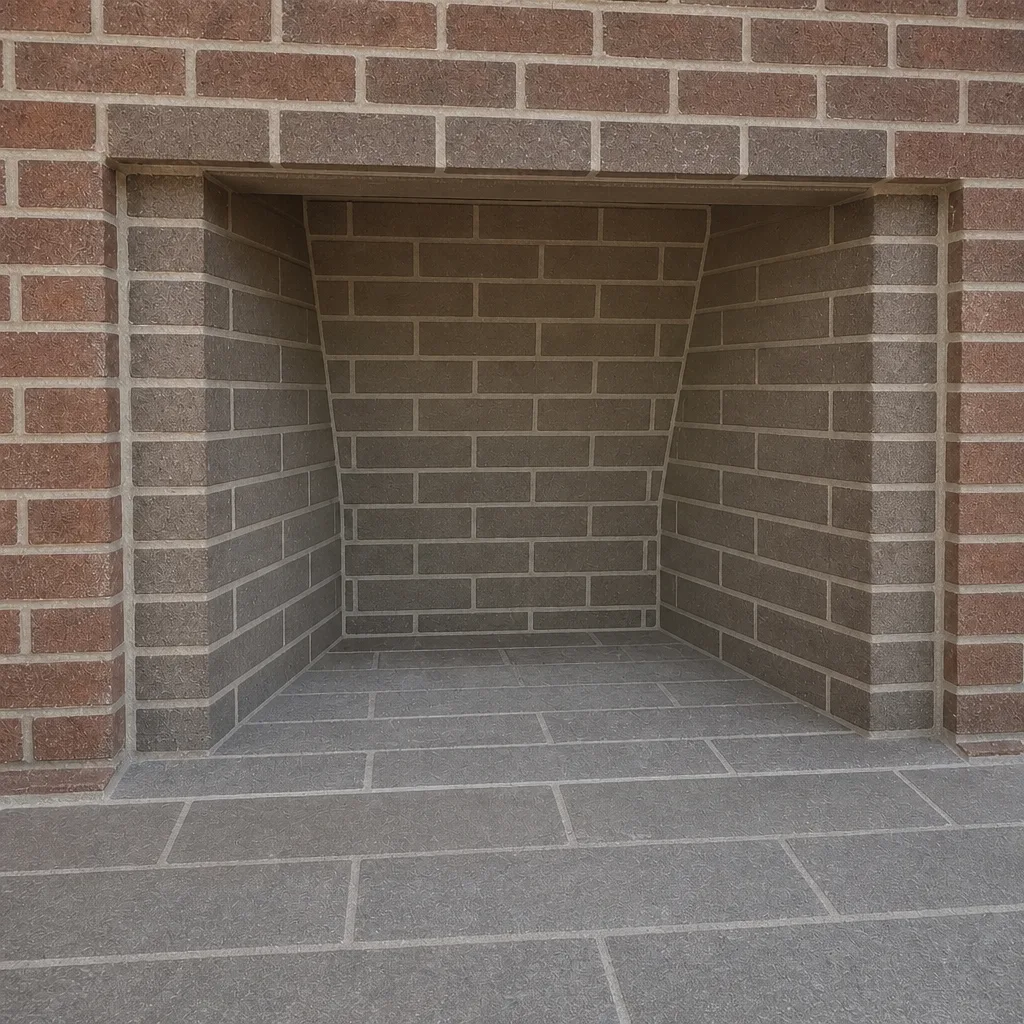
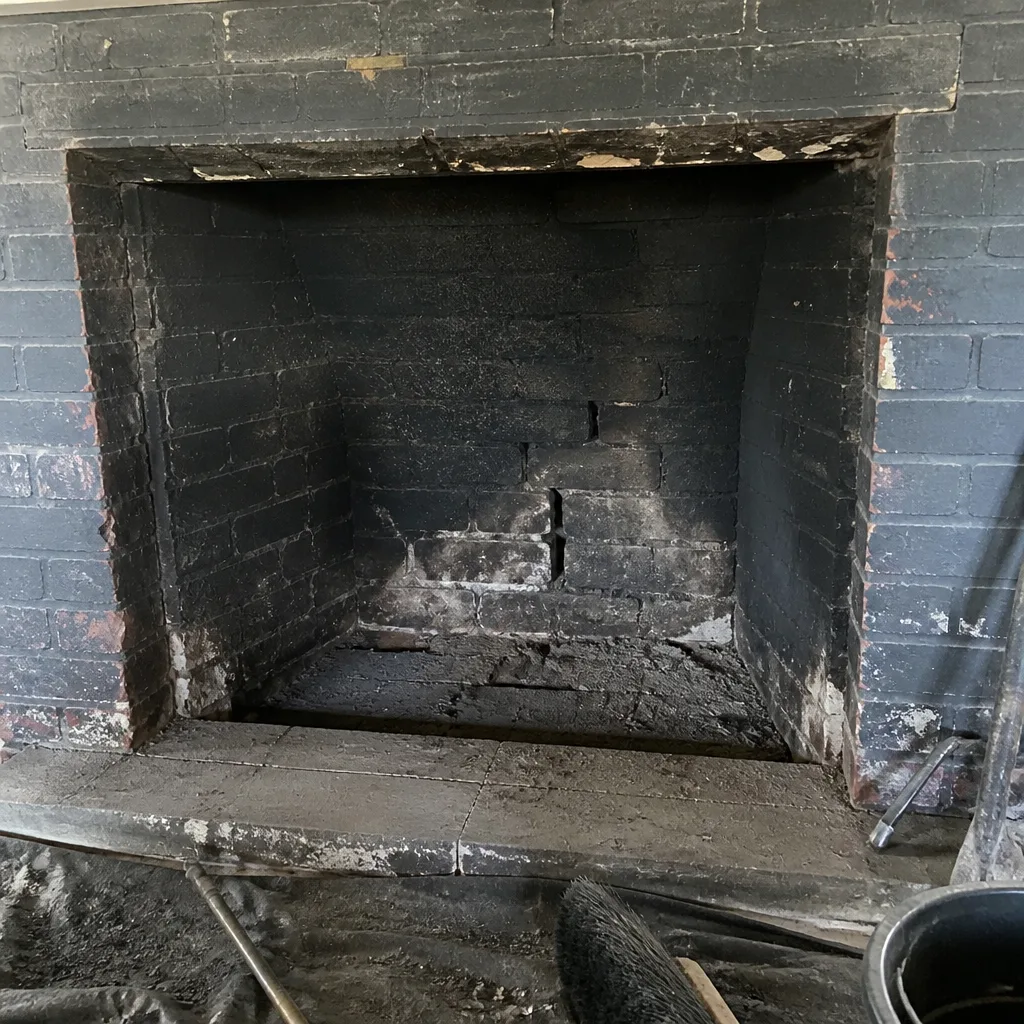
See the difference
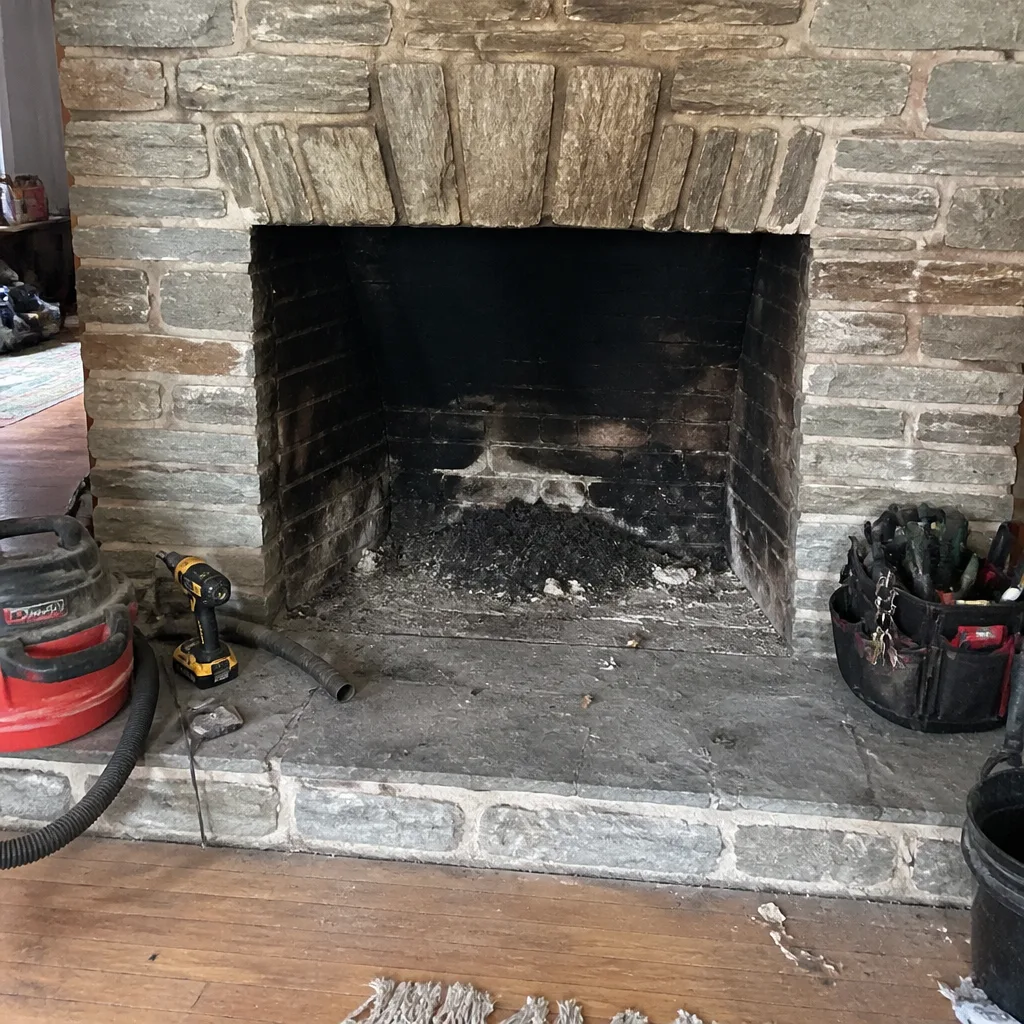 Before
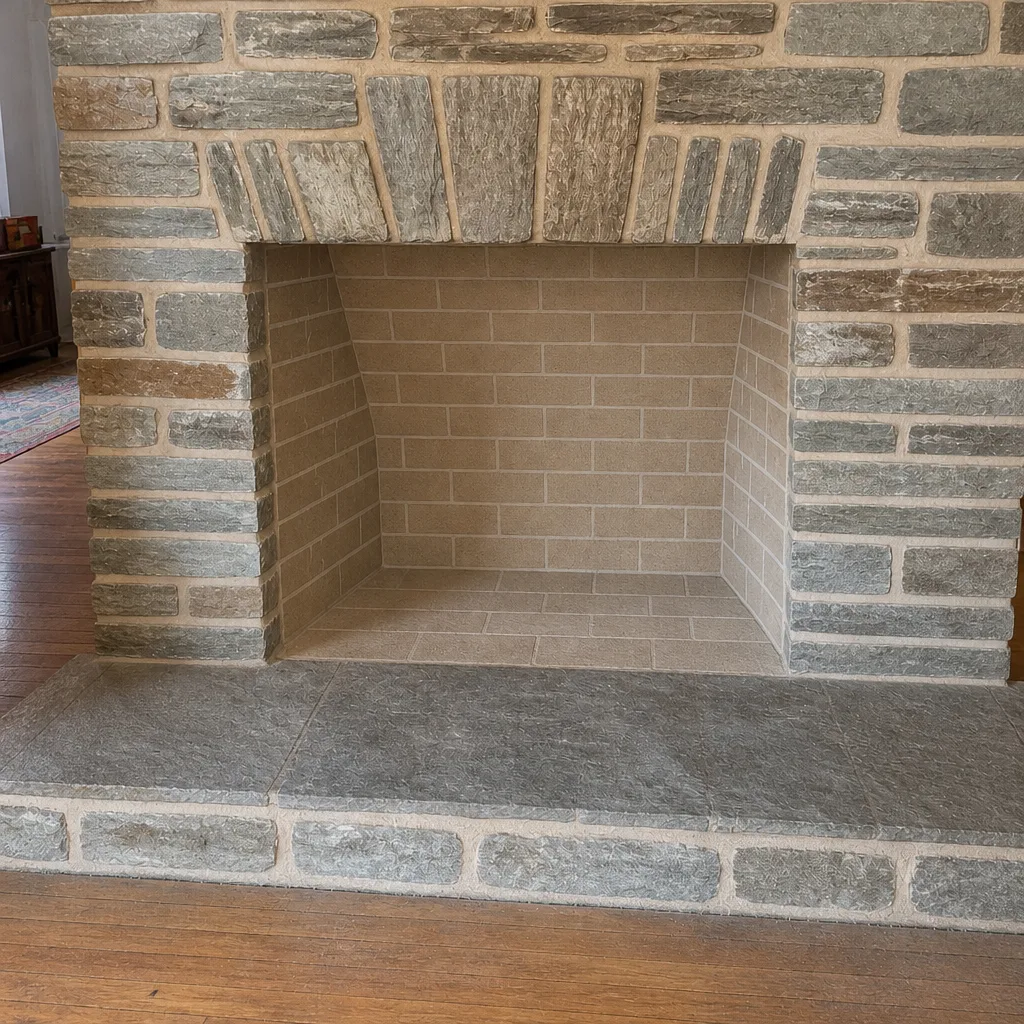 After
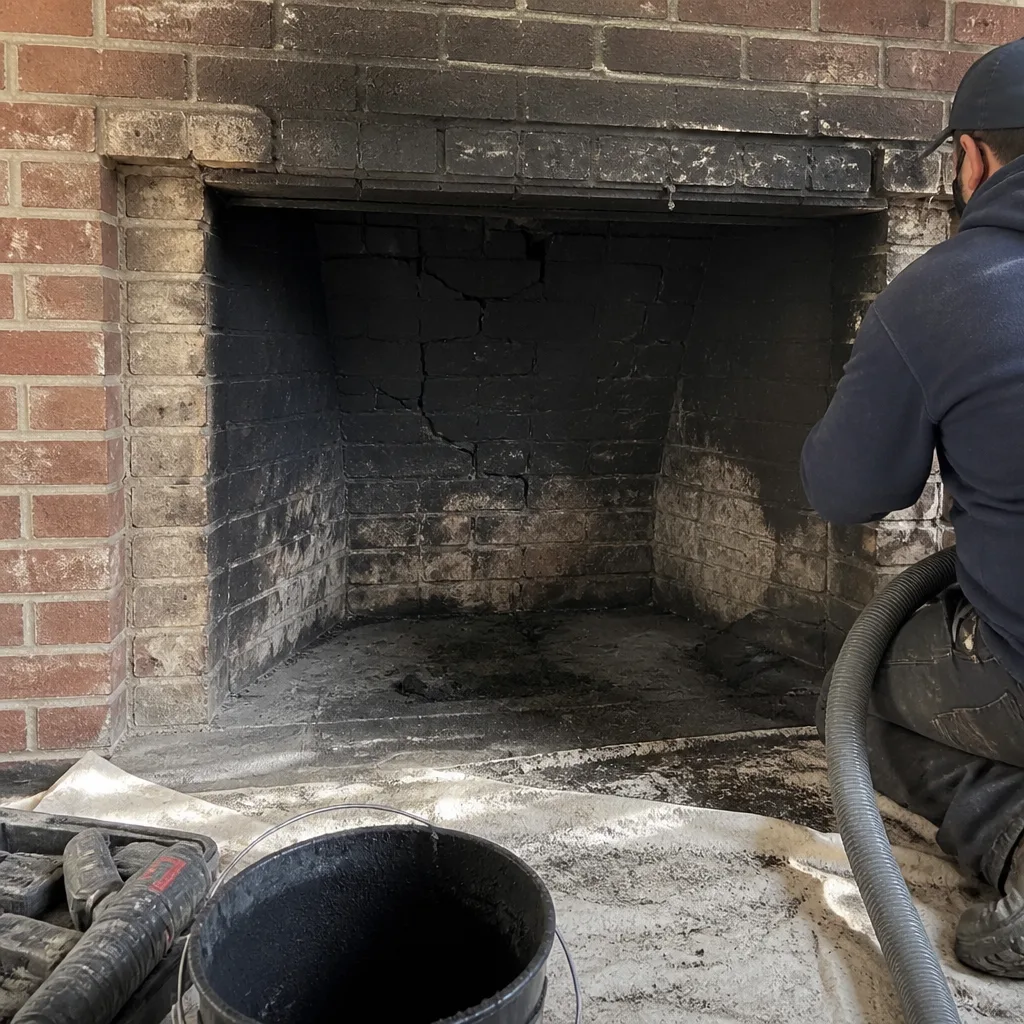 Before
 After
 Before
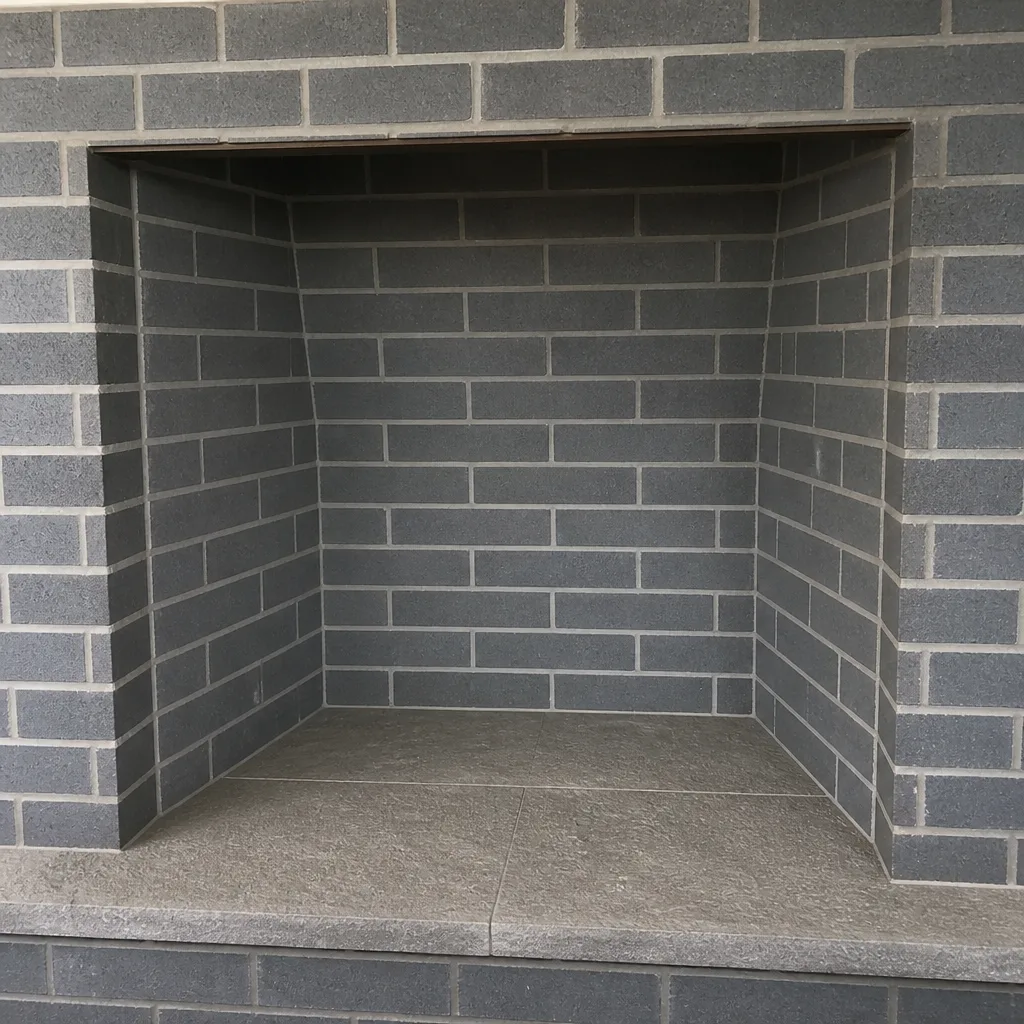 After
When to Call a Professional
Some of this calendar is your work on the ground with a pair of binoculars. The rest is not. Call a professional when a camera inspection shows a cracked flue tile, a gap in the flue joints, or a liner that has detached from the masonry, because those are the conditions that make a flue unsafe to use. Call when you see spalling brick or a crown with cracks that have been there more than a season. Call when you see glazed black deposits at the damper throat, when smoke rolls back into the room at startup, or when the chimney smells of asphalt or kerosene after a fire. Call when you’re not sure. Chimney Sweep Port Richmond offers free estimates in Port Richmond. Call (833) 754-6815. We answer 24/7. Fast dispatch, 7am-7pm, Sunday through Friday.
Frequently Asked Questions
Most Port Richmond chimneys need a sweep once a year, ideally in the August-September pre-season window, with an extra sweep mid-season if glazed creosote appears at the damper throat. Homes burning wood heavily across a six-month heating season, or homes where the fireplace is the primary heat source, can need a second sweep during the season. The camera inspection, not a calendar, determines the timing. Call (833) 754-6815 for a pre-season estimate. The estimate is free.
Skipping a year mostly means creosote accumulates and moisture damage goes unaddressed over one full freeze-thaw cycle. That’s when a crown that was cracked in the fall becomes spalled brick and crumbling mortar by spring. It also means the pre-season inspection doesn’t catch a cracked flue tile until it’s a bigger repair. Skipping one year is not automatically a disaster, but skipping two or three moves the work from cleaning to repair. Call (833) 754-6815 if it’s been a while. We answer 24/7.
No. Glazed black creosote at the damper throat is a signal that a mid-season sweep is worth booking, not a cause for alarm. It builds up when a flue cycles hot and cold repeatedly, which is common in Port Richmond’s long heating season. A sweep removes it. The point is to catch it before it hardens into a load that takes more than a brush. Call (833) 754-6815 to book a mid-season sweep. We answer 24/7.
White powdery staining is efflorescence: salt drawn out of the masonry by moisture moving through the brick. It’s not harmful by itself, but it does tell you water is getting in, most often through a crown or flashing that needs attention. That’s why we check both after any sign of it. Call (833) 754-6815 for a moisture check. Fast dispatch, 7am-7pm, Sunday through Friday.
Yes, just barely. A slightly open damper lets air circulate through the flue during the humid months, which helps the masonry dry out and reduces the stale smell of a closed-up chimney. It’s not a substitute for a crown repair if the crown is the source of the moisture, but it’s a cheap, low-effort way to help the flue breathe. Call (833) 754-6815 if you want us to check the crown and cap while we’re at it.
Not entirely, but most of it can be caught early. A pre-season inspection in August or September, a post-season check in March, and a moisture watch in June and July address the main points where Port Richmond chimneys fail. Add a proper cap and a sound crown, and you’ve covered the two most common ways water gets in. The rest is inspection timing, which is why the calendar matters. Call (833) 754-6815 for a free estimate in Port Richmond. We answer 24/7.
The Bottom Line
Chimney care in Port Richmond runs on a two-season rhythm: a long heating season that stresses the flue, and a humid summer that works on the masonry. The calendar that handles both is simple. Book the pre-season inspection in August or September, before the fall fills up. Watch the damper throat for glazed creosote during the heating season and don’t wait for spring to sweep it. Use March through July for cap, crown, flashing, and moisture work, and leave the damper cracked for the summer. Three of those months carry most of the value, and the rest of the calendar is your normal watch-and-check time. Once you know the cycle, the worst time to discover a cracked flue tile stops being November. Chimney Sweep Port Richmond handles the full system, from the firebox to the crown, and we’re glad to walk you through what your chimney needs. Call (833) 754-6815 for a free estimate. We answer 24/7. Fast dispatch, 7am-7pm, Sunday through Friday.
Written by the team at Chimney Sweep Port Richmond.