
Last updated November 22, 2026
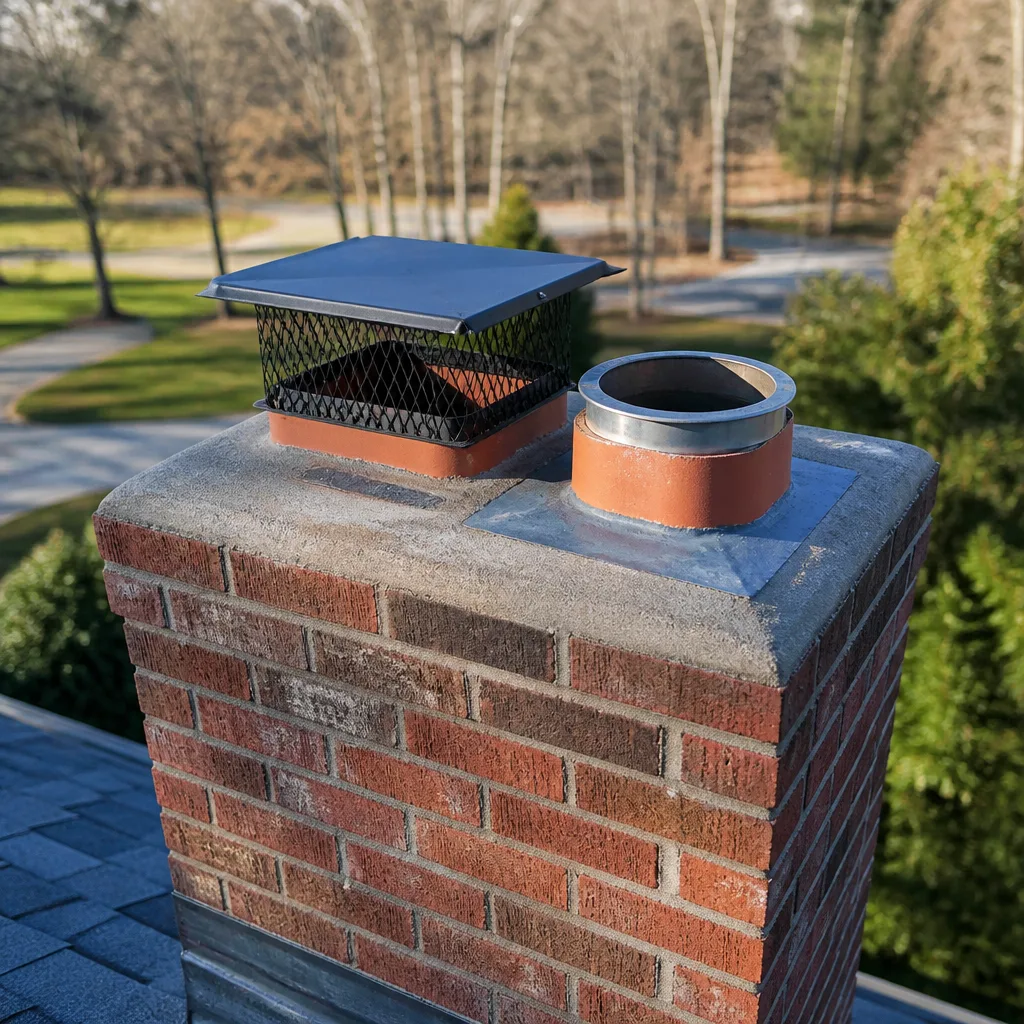 Sweep & inspection
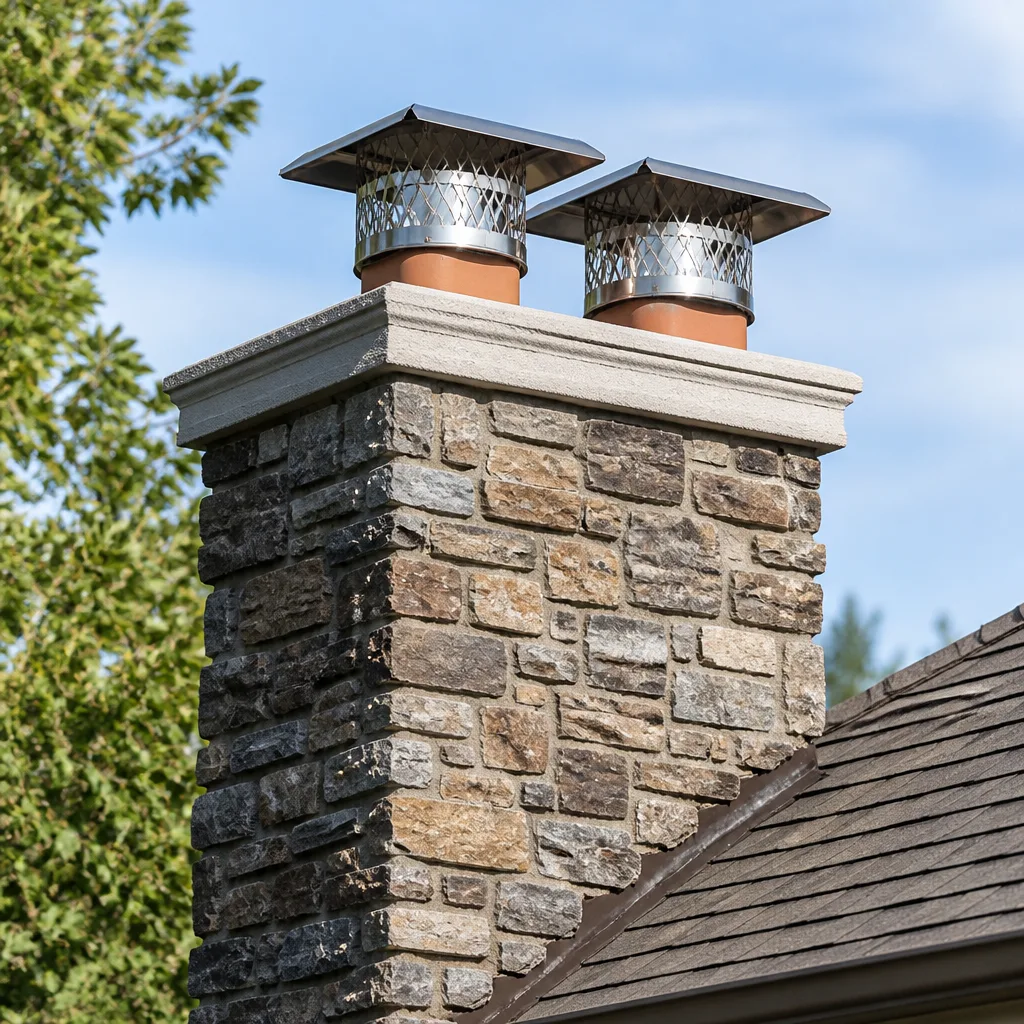 Caps & crowns
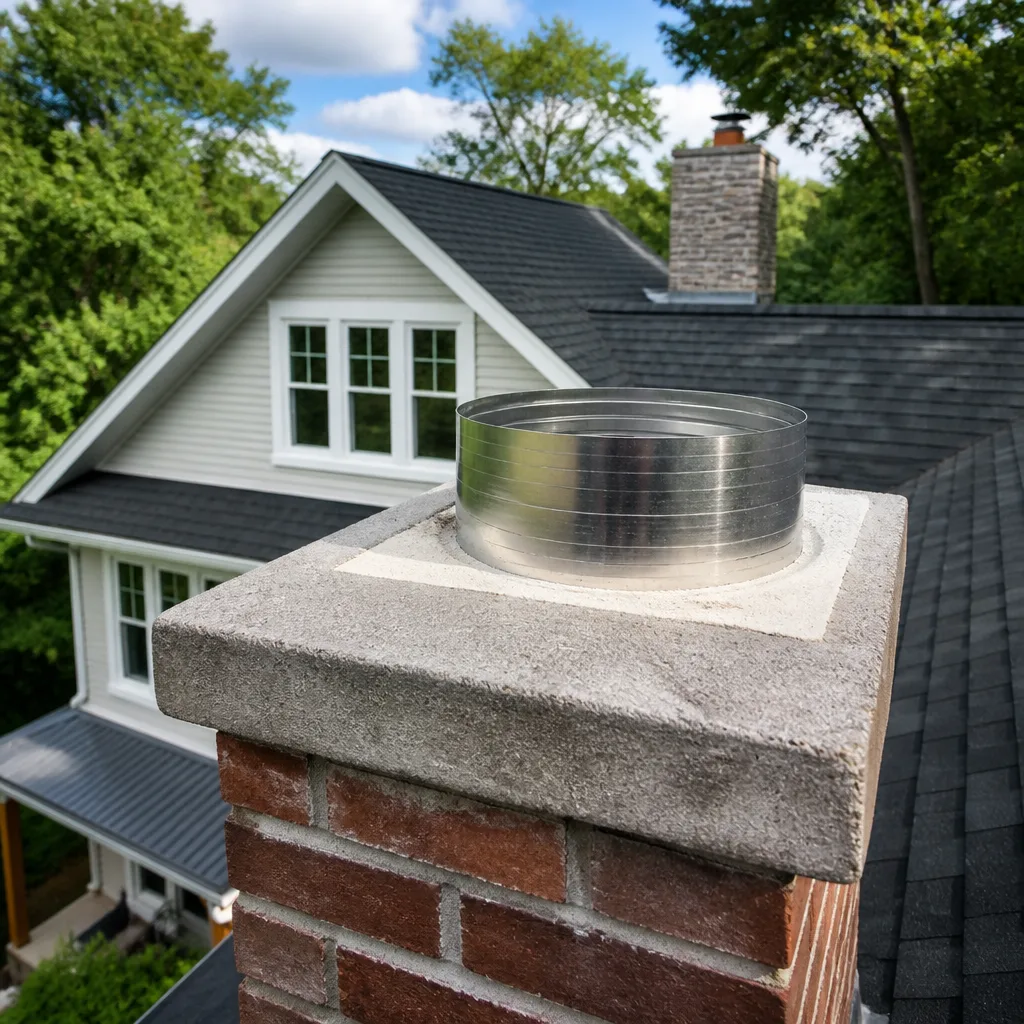 Flue relining
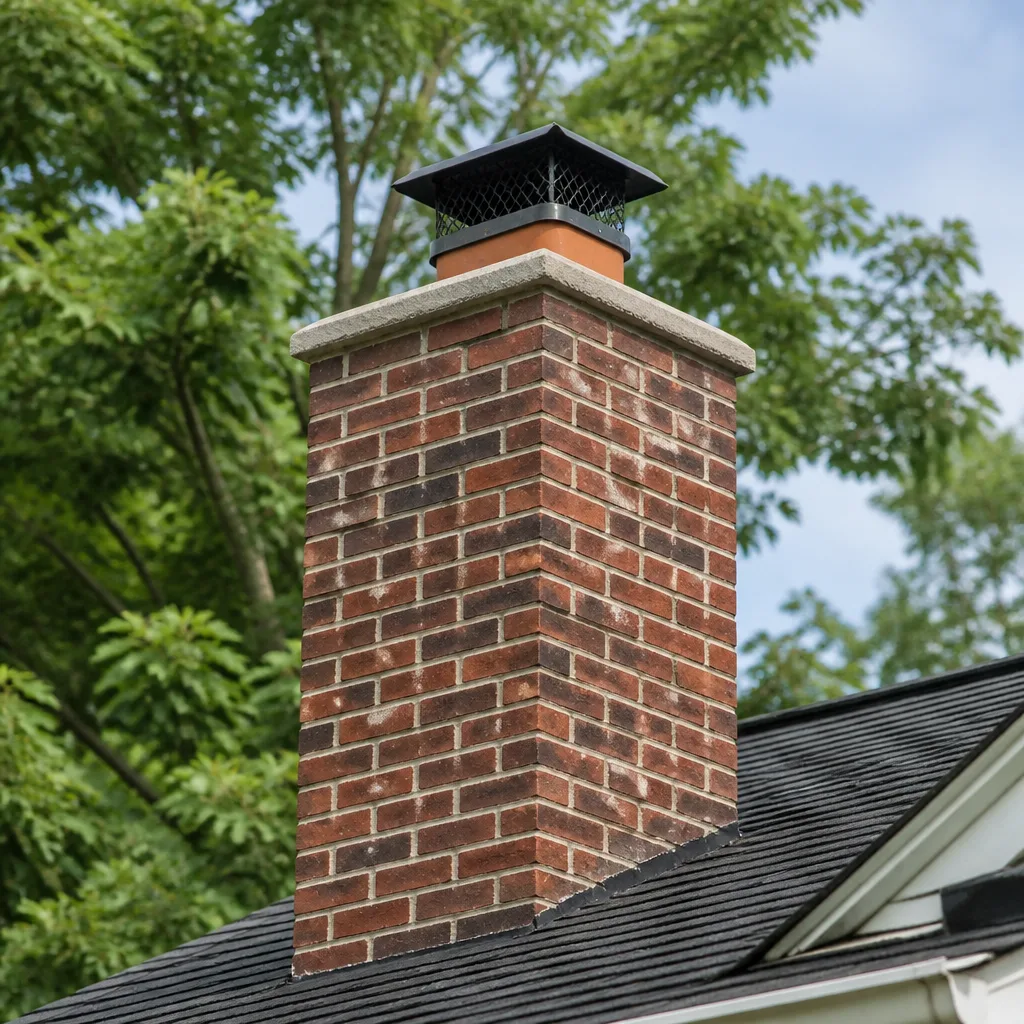 Masonry repair
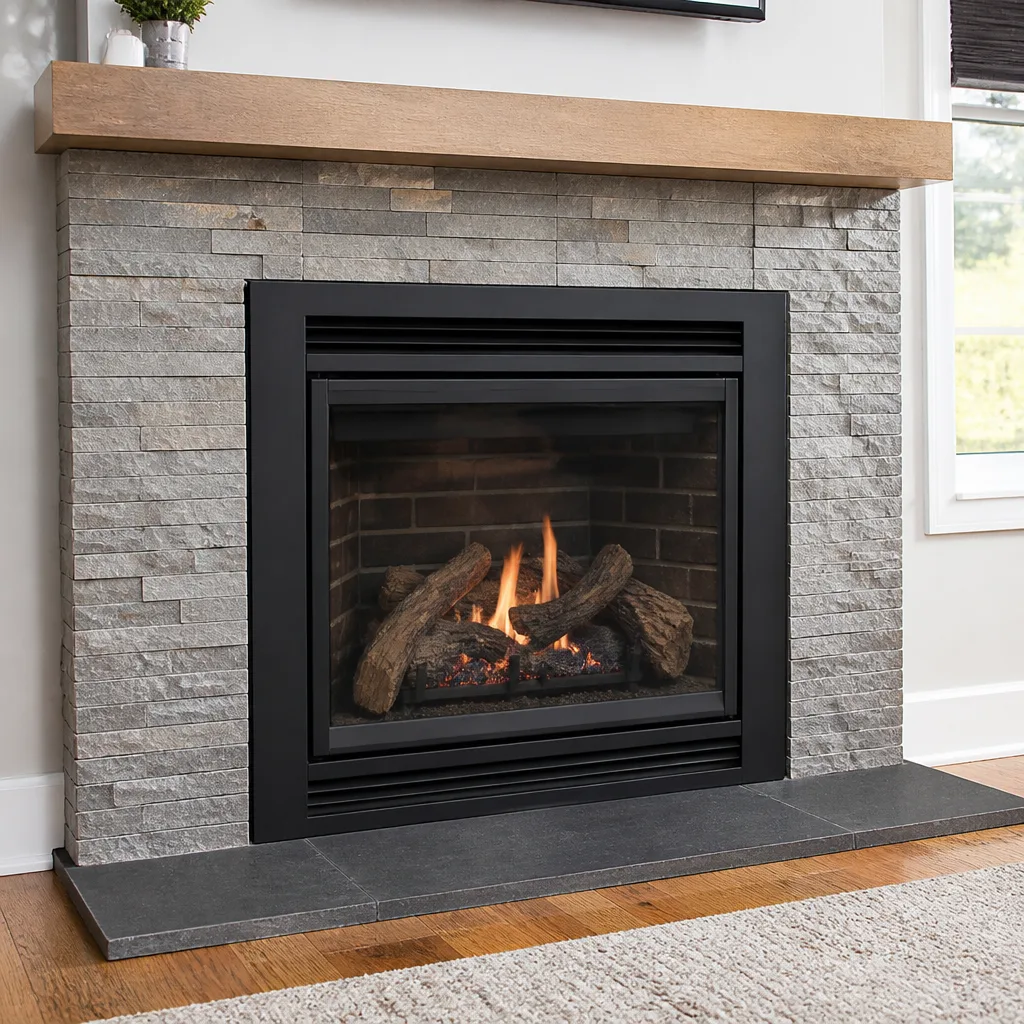 Gas fireplace service
Level 1 sweep and inspection to the NFPA 211 annual standard - flue, crown, cap, and flashing checked and photographed
Chimney sweep logs do not sweep chimneys. They loosen some creosote - which then falls where a brush and vacuum still have to collect it.
Chimney Cleaning Cost Breakdown: The Port Richmond Homeowner’s Reference for 2026
The $99 chimney sweep advertised around Philadelphia almost always leaves out the three things that actually matter: the inspection, the written report, and every part of the chimney above the firebox. That ad isn’t a lie, exactly. It’s a price for a narrow slice of a much larger system. The rest of the system is where clogs form, where creosote hides, and where quiet damage builds up season after season. We wrote this guide to pull the whole picture into view so you can compare estimates on equal footing. You’ll learn what each price tier actually buys in Port Richmond, what line-item services cost, and how to read an estimate closely enough to spot what’s missing. By the end you’ll know why two quotes for the “same” job can land hundreds of dollars apart.
Quick Answer
A basic chimney sweep in Port Richmond typically runs $99 to $150, a full-system cleaning with inspection and photo report usually costs $200 to $350, and anything above $500 means the job has grown into repair or restoration work: liner issues, crown damage, smoke chamber parging, or a rebuild. The written estimate sets the final price, and you should never pay a figure you only heard spoken.
Styles & brands we work with
- Sweep & inspection
- Caps & crowns
- Flue relining
- Masonry repair
- Gas fireplace service
Table of Contents
- What You Get at Each Price Tier
- Line-Item Costs for Common Chimney Services
- Why Professional-Grade Materials Cost More Upfront
- The Port Richmond Cost Factor
- How to Read a Chimney Estimate
- What a Full-System Cleaning Actually Involves
- How Often You Should Book a Cleaning
- Common Mistakes to Avoid
- When to Call a Professional
What You Get at Each Price Tier
Chimney pricing in Port Richmond splits into recognizable bands, and each band corresponds to a different scope of work. Understanding the band tells you faster than anything else whether a quote is thin or thorough.
The $99 to $150 band: a basic sweep
This covers a rod-and-brush cleaning of the flue from the firebox up to the top, usually on an accessible straight run. It typically includes a visual check from the ground or the roof, but not always a camera inspection, and rarely a written report. If the technician finds a problem, you may hear about it verbally, but you won’t have documentation to compare against next year. This tier is reasonable for a well-maintained chimney on a newer home with a straight flue and no prior issues.
The $200 to $350 band: full-system cleaning
Here you get the flue swept plus the firebox, smoke chamber, smoke shelf, and damper area cleaned. A camera inspection of the liner is included, and you receive a photo report you can keep. This is the tier most Port Richmond rowhouse owners actually need, because older chimneys have more interior geometry than a straight run. The extra cost reflects time and equipment, not padding.
Above $500: repair territory
Once a quote crosses roughly $500, you’re no longer paying for cleaning. You’re paying for a fix. Common triggers include a cracked clay tile liner, a missing or rusted cap, a crown that’s spalling, a smoke chamber that needs parging, a damper that no longer seats, or a chase cover that’s rusted through. At that point the estimate should name every material and describe the scope in writing. If it doesn’t, ask for a revised version before you book.
How the tiers compare at a glance
- Basic sweep ($99 to $150): flue brush only, verbal findings, no report.
- Full-system cleaning ($200 to $350): flue, firebox, smoke chamber, damper area, camera inspection, photo report.
- Repair and restoration ($500+): liner, crown, cap, damper, smoke chamber parging, chase cover, or rebuild work.
We’ve seen Port Richmond homeowners book the basic sweep and then get surprised a year later when the “small issue” the technician mentioned has grown. The full-system tier exists to prevent exactly that.
Line-Item Costs for Common Chimney Services
When you receive an estimate, it should break the job into pieces rather than hand you one lump number. Here are the typical ranges for the individual services Port Richmond homeowners ask about most. These are estimates, not fixed prices, and the written estimate sets the final figure.
| Service | Typical Estimated Range | What It Covers |
|---|---|---|
| Chimney sweep (basic) | $99 – $150 | Flue brush and visual check |
| Full-system cleaning | $200 – $350 | Flue, firebox, smoke chamber, damper, camera inspection, photo report |
| Liner camera inspection | $150 – $300 | Video scan of the full flue length, recorded findings |
| Smoke chamber parging | $400 – $900 | Resurfacing the smoke chamber with a refractory material |
| Damper replacement | $300 – $700 | Removing the old damper and fitting a new one |
| Crown coat application | $350 – $800 | Resurfacing or rebuilding the crown at the top of the chimney |
| Chase cover replacement | $400 – $900 | Fabricated stainless cover for a framed chase |
| Chimney cap installation | $150 – $450 | Purpose-built cap sized to the flue or crown |
| Liner installation (stainless) | $2,000 – $4,500+ | Full-length stainless liner, insulation, and connection |
Those ranges shift based on chimney height, roof access, flue configuration, and whether the work requires scaffolding. A chimney on a three-story Port Richmond rowhouse takes longer to service than a single-story ranch, and the estimate should reflect that reality rather than pretend every job is the same.
One detail worth insisting on: the estimate should name the material, not just the category. “Stainless liner” is vague. “DuraFlex stainless liner with insulation” tells you what’s going in your chimney. Same with caps and crowns – if the brand isn’t named, ask.
Why Professional-Grade Materials Cost More Upfront
A budget liner and a professional-grade liner can look identical in a photograph. They don’t behave identically in a chimney. That’s the whole reason the upfront price differs, and it’s why the material specification belongs in your estimate.
Professional-grade stainless liner systems like DuraFlex are engineered for the temperature swings and corrosive byproducts of a working flue. The alloy is specified for the application, the wall thickness is consistent, and the manufacturer backs the product with a warranty you can document. Budget liners often use thinner stock or an alloy that’s nominally “stainless” but doesn’t hold up as long under the same conditions. When a liner fails early, you’re not just out the original cost. You’re paying for the tear-out and reinstall too.
Smoke chamber parging is the same story. Refractory materials like HeatShield are formulated to bond to the existing surface and hold up to heat cycling. A cheaper patch may look fine on day one and start cracking within a heating season or two. HeatShield restoration lets us resurface a deteriorating smoke chamber or liner without a full tear-out, which is a real cost savings over a rebuild – but only if the material actually holds. That’s why we use the material the manufacturer engineered for the job.
Caps and crowns follow the same logic. We work with purpose-engineered products from brands like Gelco and Famco rather than improvised hardware-store covers. A cap that doesn’t fit the flue or crown properly lets water and animals in, and you’ll be replacing it sooner than you planned. A crown coat that uses a material not designed for exterior exposure will spall. In our experience, the spread between a professional-grade fix and a budget fix is usually smaller than the spread between doing it once and doing it twice.
What this means for your budget: professional-grade materials typically add several hundred dollars to a liner or parging job compared to the cheapest option. What you’re buying is lifespan and a named warranty. If you’re planning to stay in your Port Richmond home for years, that math usually favors the better material. If you’re selling and the chimney needs only a cosmetic fix, ask your technician to walk you through the tradeoffs honestly.
The Port Richmond Cost Factor
Port Richmond’s housing stock is the single biggest influence on what chimney work actually costs here. The neighborhood is full of older rowhouses, and that architectural history shows up in the chimney every time.
Two things drive longer service times on Port Richmond rowhouse chimneys. The first is the offset flue. Many older chimneys don’t run straight from firebox to crown; they jog around a structural element somewhere in the middle. A brush on a straight rod can’t always navigate that turn cleanly, so a technician has to work more slowly or use flexible tooling. That adds time, and time is what drives the labor portion of the estimate.
The second is the clay tile liner. Older Port Richmond chimneys were typically built with square or rectangular clay tiles stacked in sections. Over decades of heating cycles, those tiles can crack, spall, or separate at the joints. When that happens, cleaning alone won’t fix the problem – the chimney needs a liner assessment, and possibly a stainless liner installation. That’s why a full-system cleaning with a camera inspection matters more in Port Richmond than it might in a newer subdivision. You need to see the tile condition, not guess at it.
A third factor: roof access. Port Richmond rowhouses often sit shoulder-to-shoulder, and getting equipment to the chimney top safely can take longer than on a detached home. Any quote that doesn’t account for access is a quote that will grow. Ask how roof access is handled before you book.
What this means in practice: the same nominal “chimney sweep” can run 30 to 60 percent longer in a Port Richmond rowhouse than in a newer home elsewhere. A quote that treats the two as identical is either cutting corners or planning to surprise you.
How to Read a Chimney Estimate
A good chimney estimate is a short technical document, not a business card with a number on it. Here’s how to read one before you sign.
- Check that every material is named. “Stainless liner” isn’t enough. “DuraFlex stainless liner, insulated” tells you what’s going in. Same for caps (name the brand), crowns (name the material), and parging (name the product).
- Check that scope is defined. Each line should say what’s included and what isn’t. “Sweep and inspect” is vague. “Sweep flue, clean firebox and smoke chamber, camera inspect liner, provide photo report” is a defined scope.
- Check for the inspection line. If a camera inspection isn’t listed, ask whether it’s included or optional. In Port Richmond’s older housing stock, it usually matters.
- Check what triggers additional cost. A well-written estimate names the conditions that would change the price: hidden liner damage, required rebuild, code upgrades. A quote with no stated conditions is a quote that will grow the moment the technician opens a wall.
- Check for warranties. Manufacturer warranties on liners, caps, and refractory materials should be mentioned in writing. If the material brand is named, the warranty is traceable.
- Check the final total. It should match the sum of the line items, with taxes and access charges specified. If the total is a round number with no breakdown, ask for the breakdown.
If an estimate fails three or more of those checks, get a second quote. We’ve seen Port Richmond homeowners accept vague estimates and end up paying for work they never agreed to.
What a Full-System Cleaning Actually Involves
The word “cleaning” covers a lot of ground, and the best way to compare quotes is to know exactly what a thorough job looks like. Here’s what a full-system cleaning includes when it’s done right.
- Drop cloths and containment. Floor protection and a sealed work area before any tool comes out of the case.
- Firebox and grate cleaning. Ash, soot, and debris removed from the firebox itself, not just the flue.
- Damper area access. The damper is opened and the area above it brushed and vacuumed.
- Smoke chamber and smoke shelf. The shelf above the damper collects creosote and needs to be clean for the flue brush to work correctly below it.
- Flue sweeping with the correct brush. The brush is matched to the flue type: poly for a stainless liner, wire brushes only where the liner can take them.
- Camera inspection. A video scan of the full flue length, looking for cracks, gaps, and blocked or missing sections of tile.
- Top-side check. The cap, crown, and chase cover checked from the roof.
- Photo report. Images of anything that needs attention, provided to you before any work is recommended.
That’s the whole system, firebox to crown. Some sweeps skip steps 3 through 6 and still call it a cleaning. When you’re comparing a $99 quote and a $250 quote, that’s usually where the difference lives.
If the camera finds damage that warrants a repair conversation, you should see the images before anyone recommends work. We don’t recommend a fix without evidence you can look at yourself.
How Often You Should Book a Cleaning
How often you need a chimney cleaning depends on how much you burn, not on the calendar alone. Here’s how to think about it.
- Regular fireplace use (several fires a week through the heating season): annual cleaning and inspection is standard practice.
- Occasional use (a few fires a month): an inspection every year, with cleaning on the technician’s recommendation.
- Wood stove or insert: annual cleaning, often sooner if you burn softwood or green wood.
- Gas fireplace: annual inspection still matters, though the cleaning scope is different.
Creosote buildup is the driver. The rate depends on fuel type, moisture content, and how much the fire is starved of air. A slow, smoldering fire builds creosote faster than a hot, clean burn. A few fires on damp wood in October can leave more buildup than a season of well-seasoned fuel.
For most Port Richmond homeowners, the practical answer is an annual inspection with cleaning as recommended by the technician. Waiting two or three seasons between checkups on an older rowhouse chimney is how small tile cracks turn into a liner replacement. The inspection is the cheap part. The liner is not.
Common Mistakes to Avoid
- Booking on price alone. A $99 sweep that skips the smoke chamber and the camera inspection costs more over time than a $250 job that catches damage early. Compare scope, not just the number.
- Accepting a verbal-only recommendation. If a technician says your liner needs replacement but can’t show you the camera images, ask to see them. Any legitimate fix can be backed with visual evidence.
- Ignoring the cap and crown. These are the chimney’s weather defense, and in Port Richmond’s older rowhouses they’re often the first thing to fail. A cracked crown lets water into the masonry, and masonry damage is expensive.
- Assuming a newer-looking chimney is fine. A chimney that was last serviced years ago, whether the house is old or new, needs an inspection before you trust it.
- Letting an “urgent” problem rush you into a same-day rebuild. Fuel and structural concerns are real, but not every recommendation needs to be acted on that day. Ask what happens if you wait a month.
- Skipping the written estimate. A written estimate protects you, and it gives you something to compare if you get a second quote. Never commit to work that isn’t documented.
- Using a handyman for liner work. Liner installation and rebuilds are specialized jobs. The materials need to be named, sized, and installed to the manufacturer’s spec for the warranty to hold.
When to Call a Professional
Some chimney concerns can wait for your next scheduled inspection. Others shouldn’t. Call a professional if you smell a strong creosote odor in the house even when the fireplace isn’t in use, if smoke rolls back into the room instead of going up the flue, if there’s visible cracking or crumbling in the firebox or smoke chamber, or if water is finding its way into the chimney or the ceiling near it. Any of those point to a system problem that cleaning alone won’t resolve. The same is true for a cap that’s loose, a crown that’s cracked, or a liner you’ve never had inspected.
At Chimney Sweep Port Richmond, we offer free estimates in Port Richmond. Call (833) 754-6815. We answer 24/7. Fast dispatch from 7am to 7pm, Sunday through Friday.
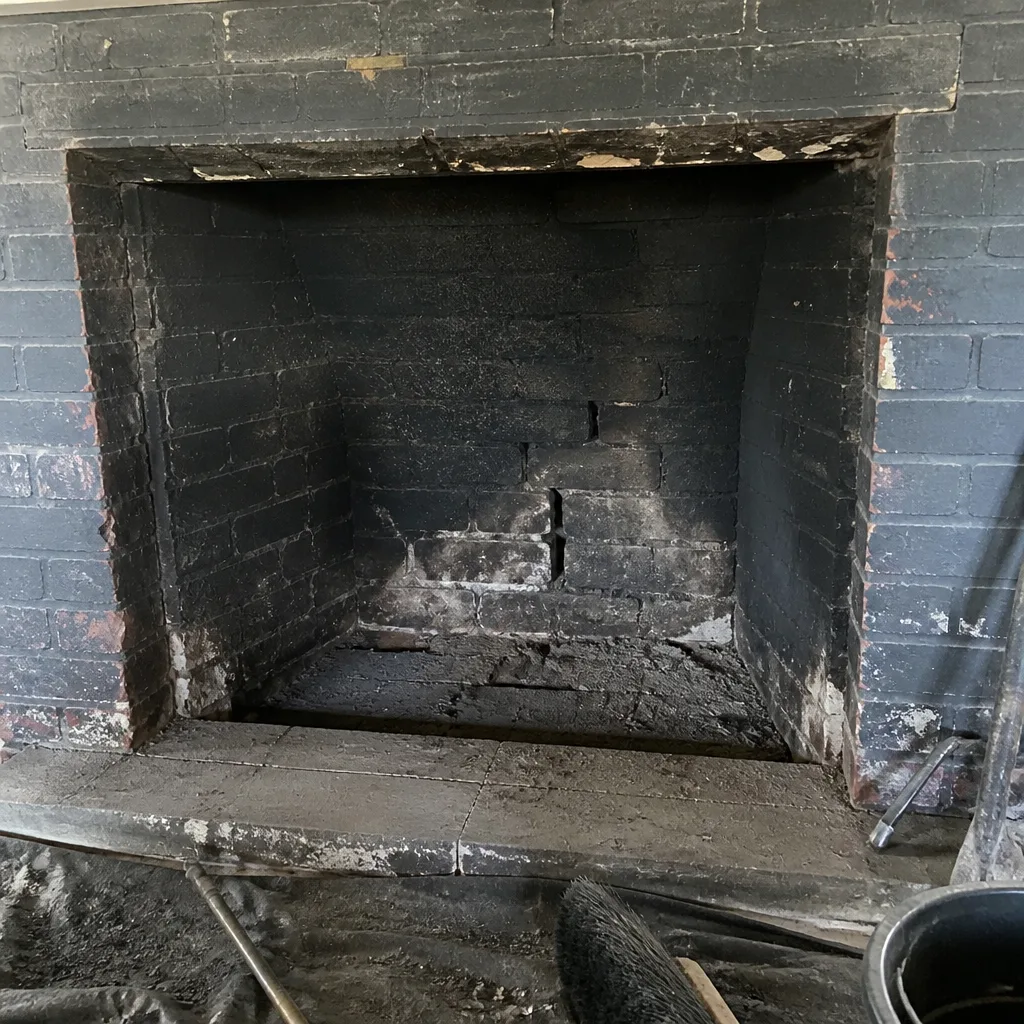
See the difference
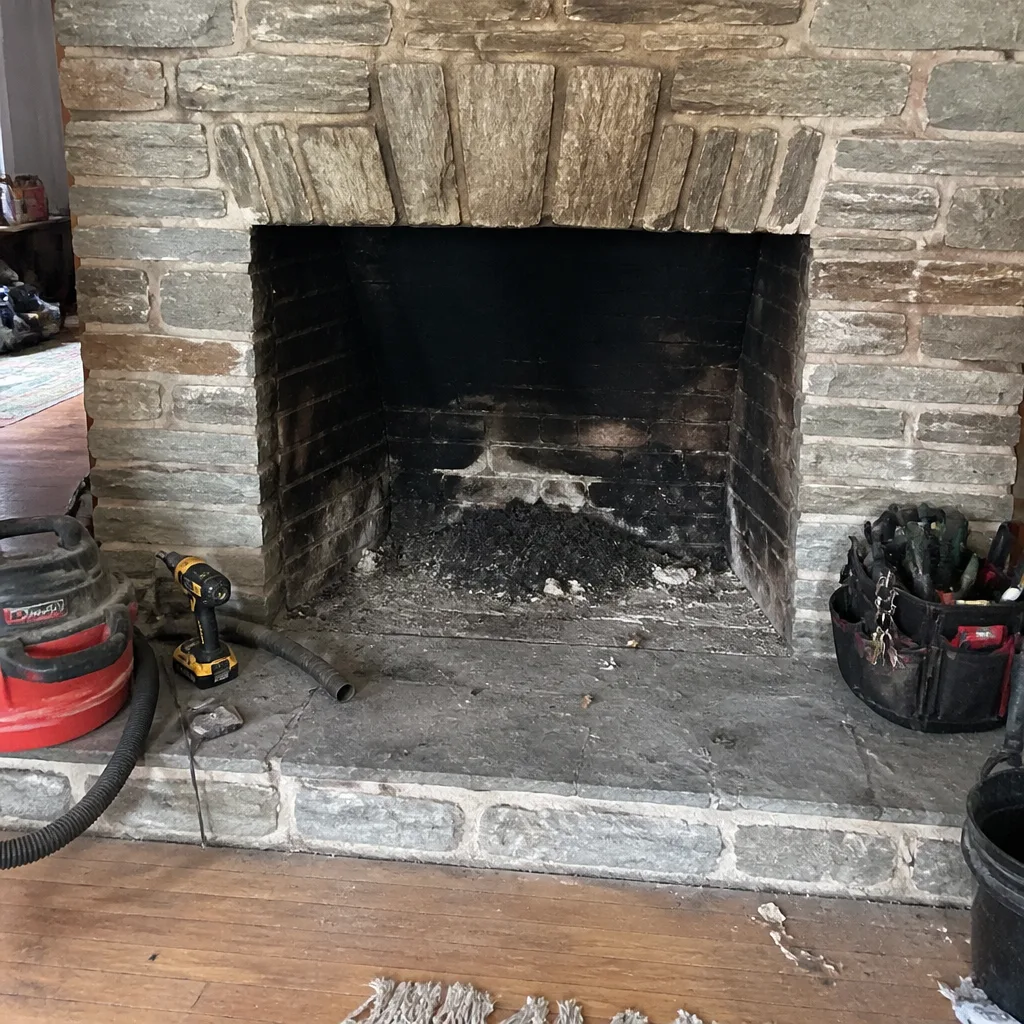 Before
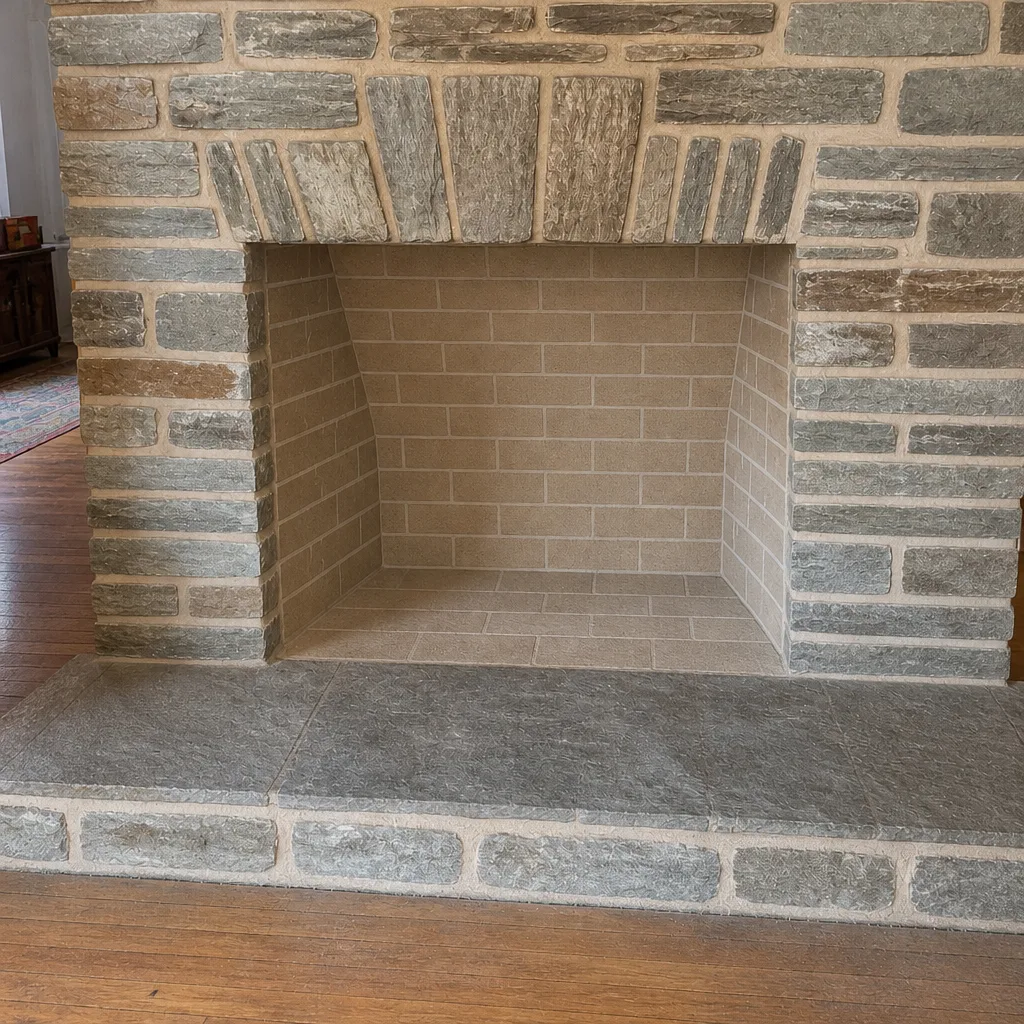 After
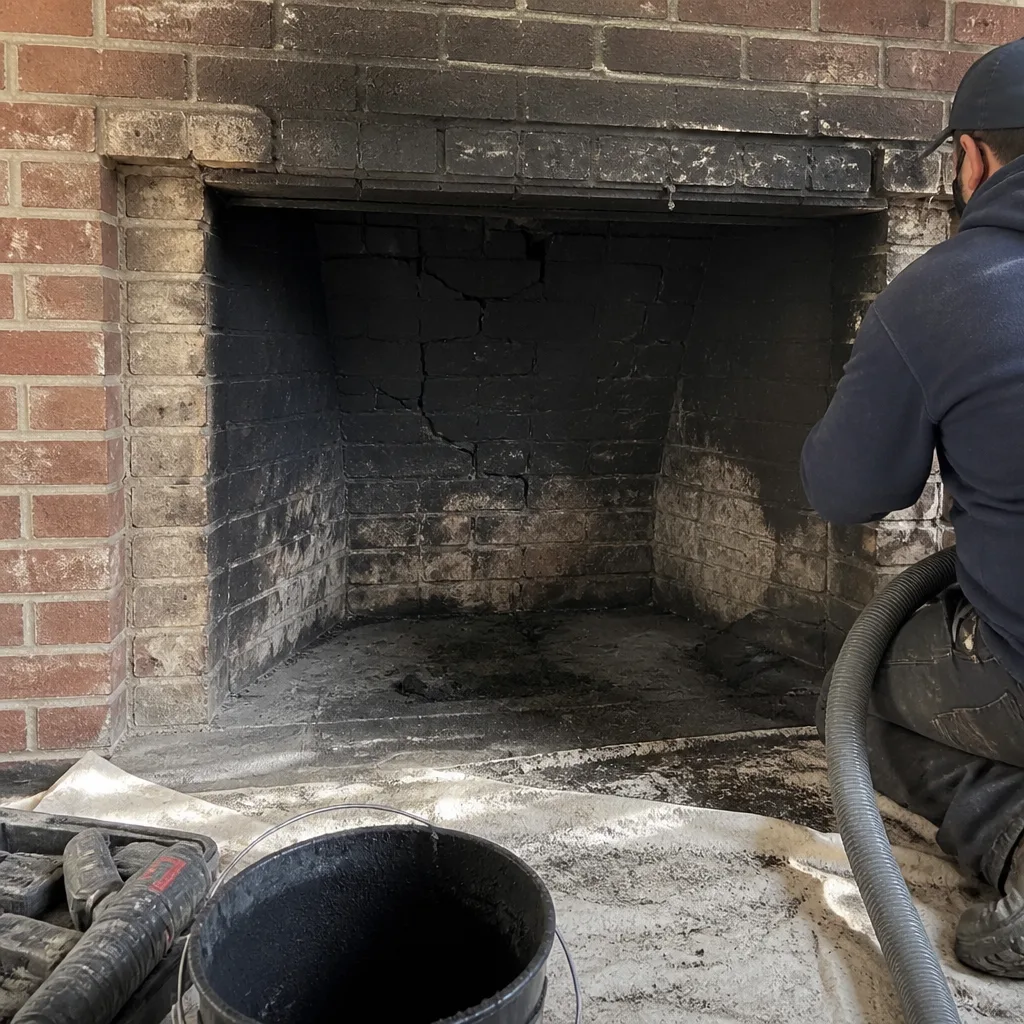 Before
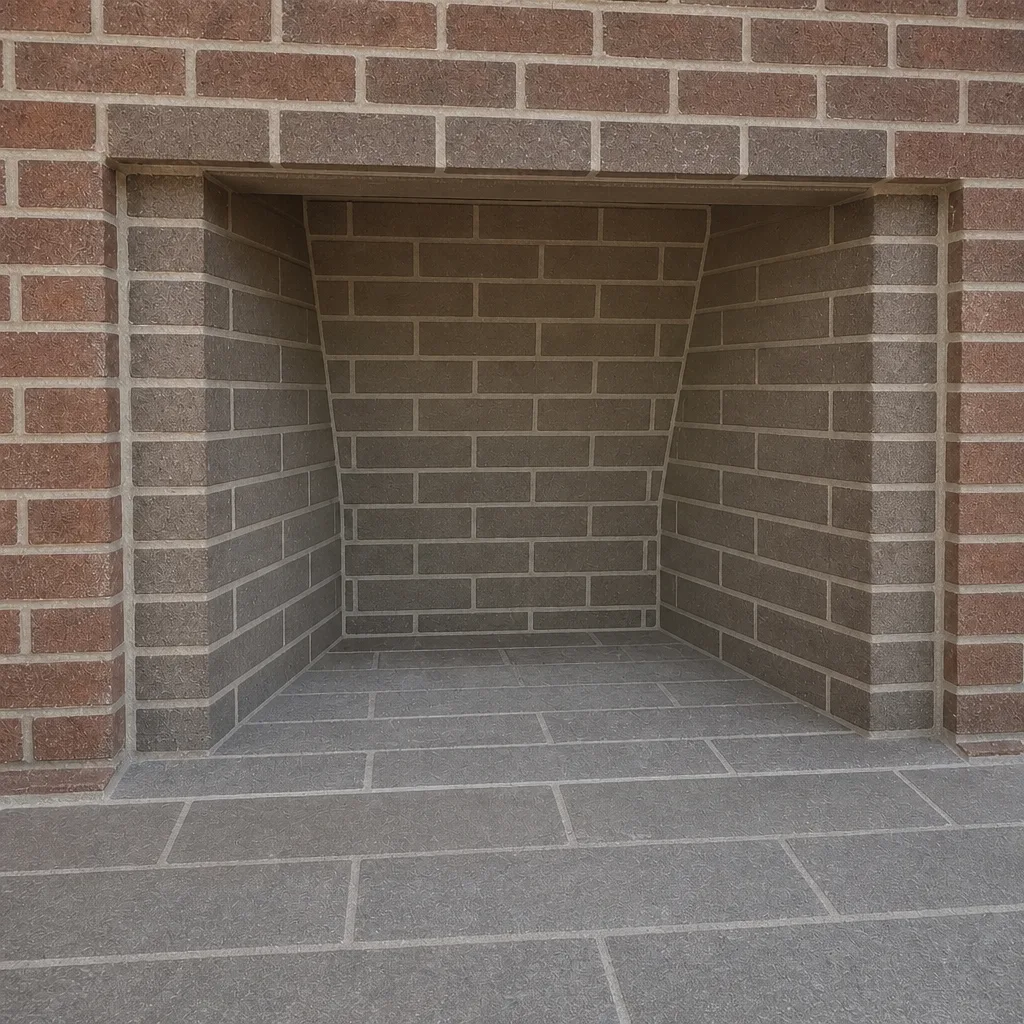 After
 Before
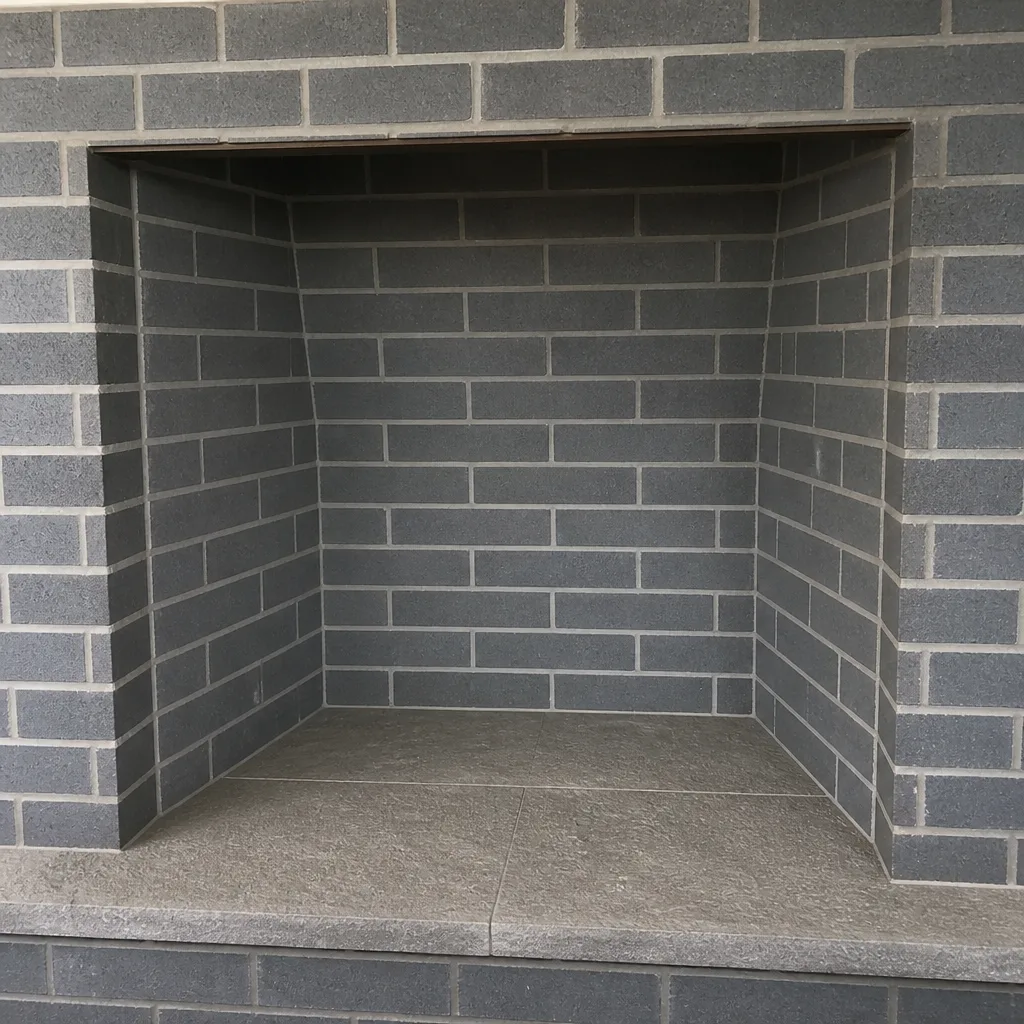 After
Frequently Asked Questions
A basic chimney sweep in Port Richmond typically runs $99 to $150, and a full-system cleaning with camera inspection and photo report usually costs $200 to $350. The written estimate sets the final price. Call (833) 754-6815 for an exact quote: estimates are free.
Port Richmond rowhouse chimneys often have offset flues and clay tile liners, which take longer to clean than a straight modern flue. Roof access on tightly packed rowhouses also adds time. Expect the job to take meaningfully longer than the same nominal “sweep” on a newer detached home.
You need a new liner when the camera shows cracked, spalled, or separated tiles – and you should see those images yourself before agreeing. If the technician can’t or won’t show you the footage, don’t proceed. A liner that’s intact doesn’t need replacing.
Annual inspection is standard, with cleaning on the technician’s recommendation based on creosote buildup. Homes with regular fireplace use typically need an annual cleaning; occasional users may only need inspection. Call (833) 754-6815 to book one.
Creosote buildup is the main risk, and in quantity it’s flammable. A liner in poor condition can also let heat and gases reach the surrounding structure. Skipping a cleaning doesn’t cause damage on day one, but it removes the check that catches damage while it’s still small.
A thorough quote lists every service line (flue, firebox, smoke chamber, camera inspection, photo report), names the materials for any repair, and states what conditions would change the price. If the quote is one lump number with no breakdown, ask for a revised estimate.
Yes – we handle the full chimney system, from the firebox to the crown, including the chimney cap & crown work that often gets skipped. If a sweep-only company flags a problem it can’t fix, we can pick it up from there.
The Bottom Line
Chimney cleaning costs in Port Richmond run from $99 for a basic sweep to over $1,500 when the job includes liner restoration or rebuild work. The number itself doesn’t tell you what you’re getting – the scope does. A quote that names its materials, defines its work, includes a camera inspection and a written report, and states what would change the price is a quote you can trust. A quote that doesn’t do those things is a number waiting to grow. The main things to remember: annual inspection catches small problems before they become liner replacements, Port Richmond rowhouse chimneys take longer to service and should be quoted accordingly, and professional-grade materials from brands like DuraFlex, HeatShield, and Gelco cost more upfront because they last longer. If you’re ready to know exactly what your chimney needs, call (833) 754-6815 for a free estimate. We answer 24/7. Fast dispatch from 7am to 7pm, Sunday through Friday. Every written estimate is free, and no work is recommended without camera evidence you can see. Our technicians have up to 12 years of experience handling chimney repair across the full system, and we can talk through a chimney sweep for your home today.
Written by the team at Chimney Sweep Port Richmond.