
Last updated November 22, 2026
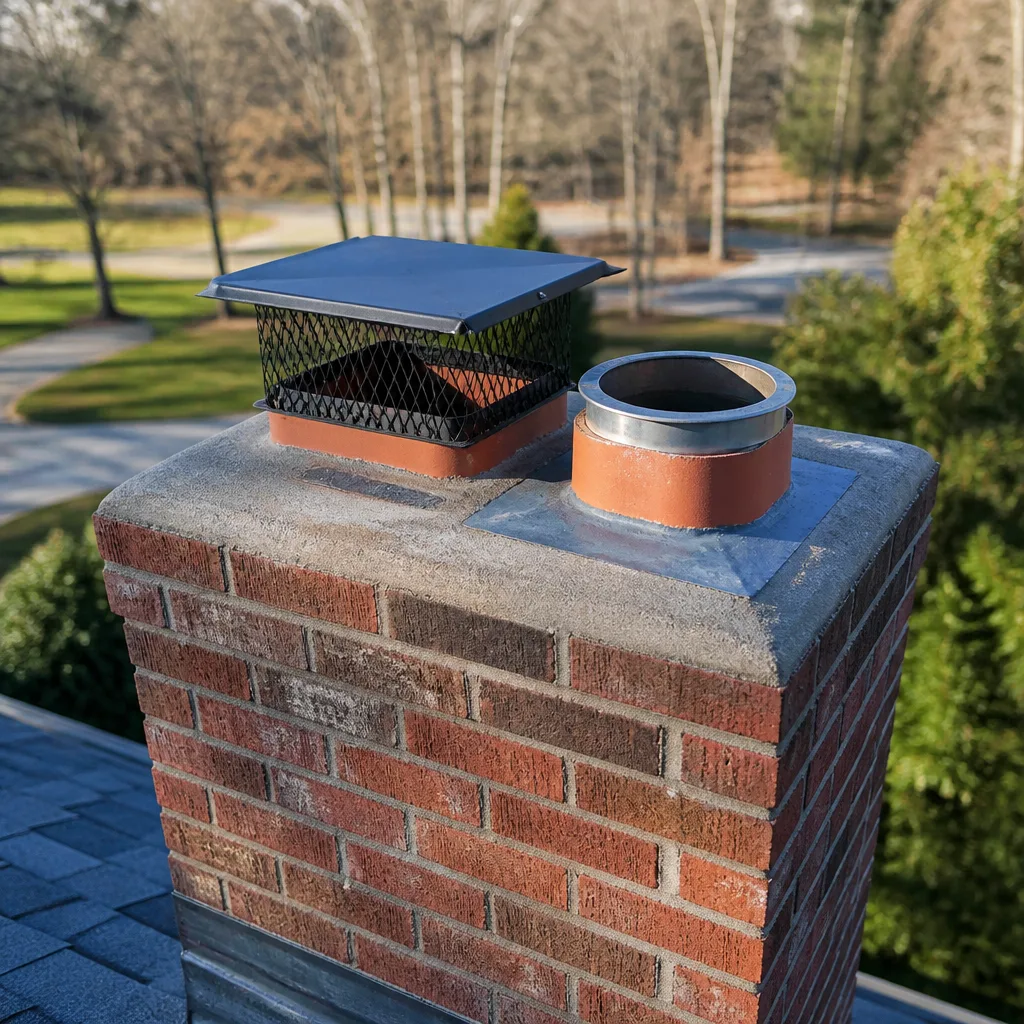 Sweep & inspection
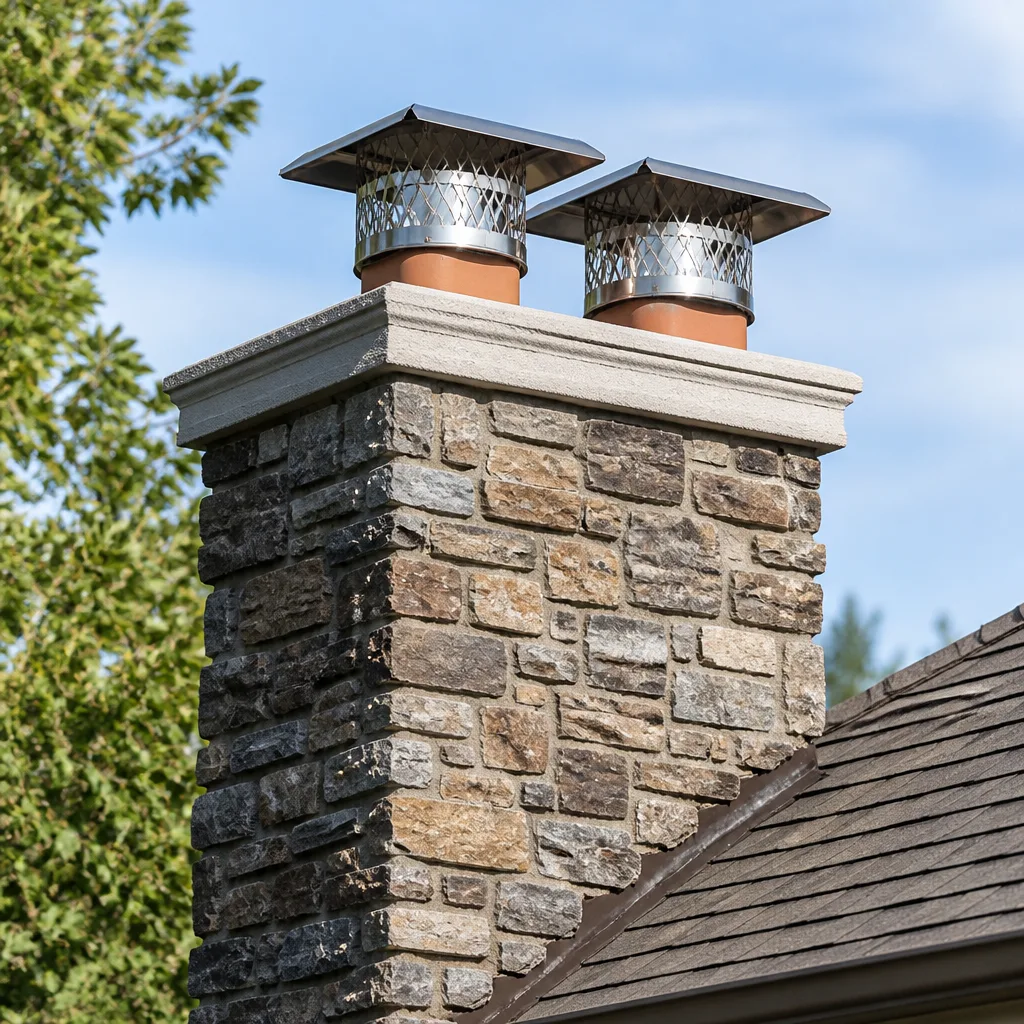 Caps & crowns
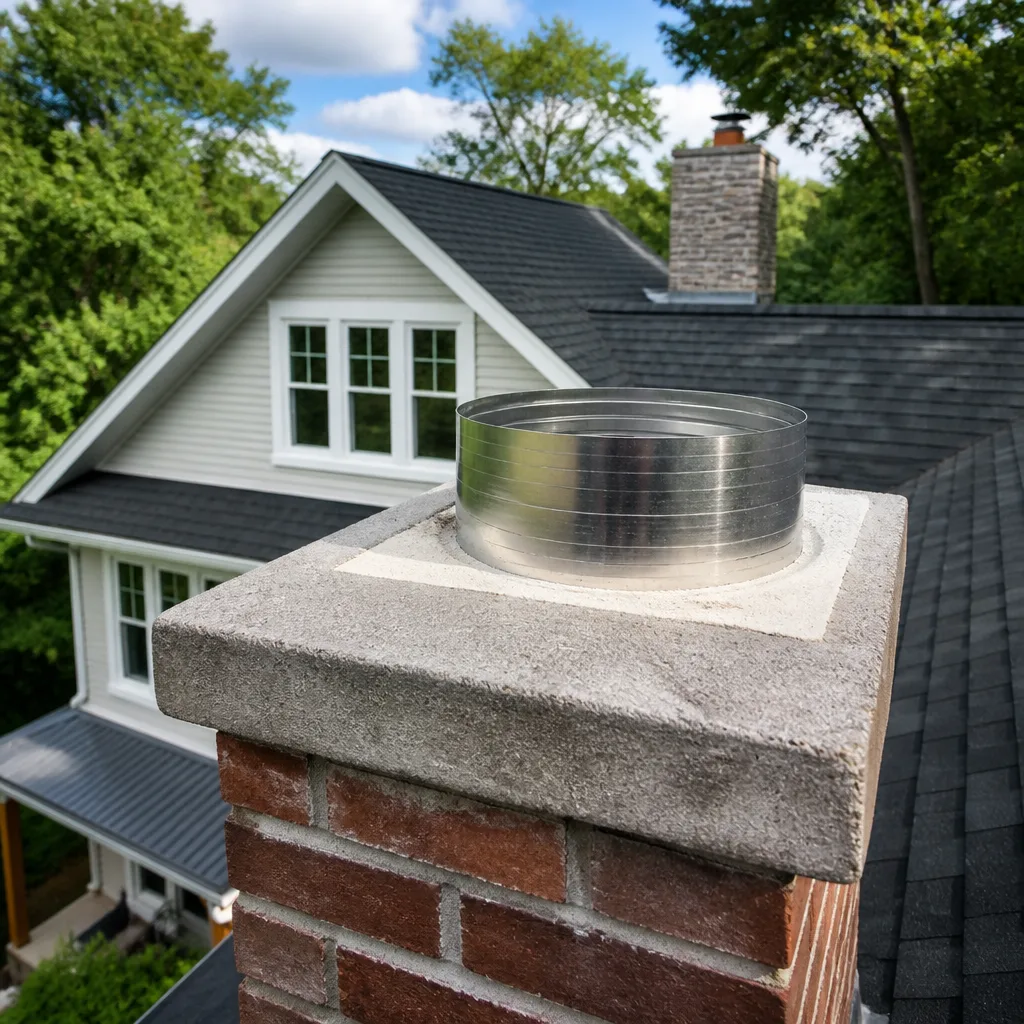 Flue relining
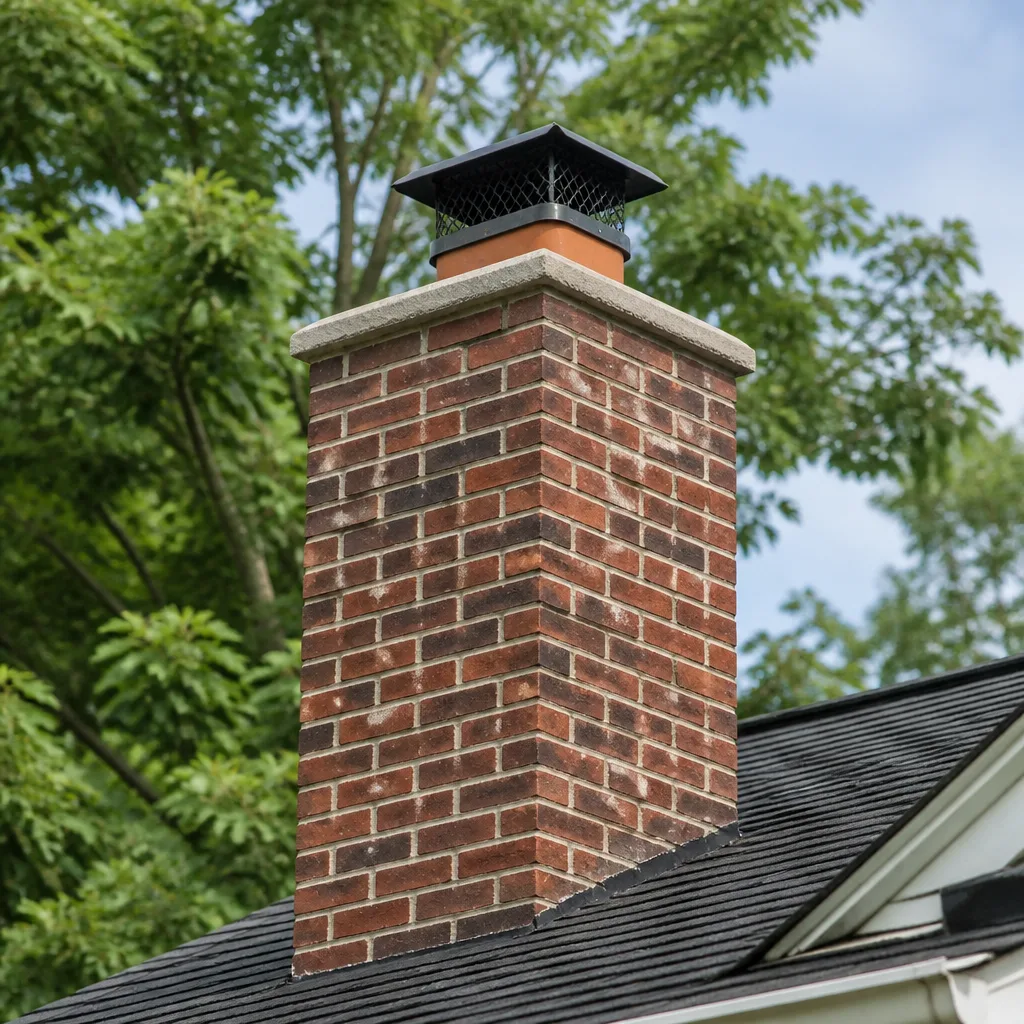 Masonry repair
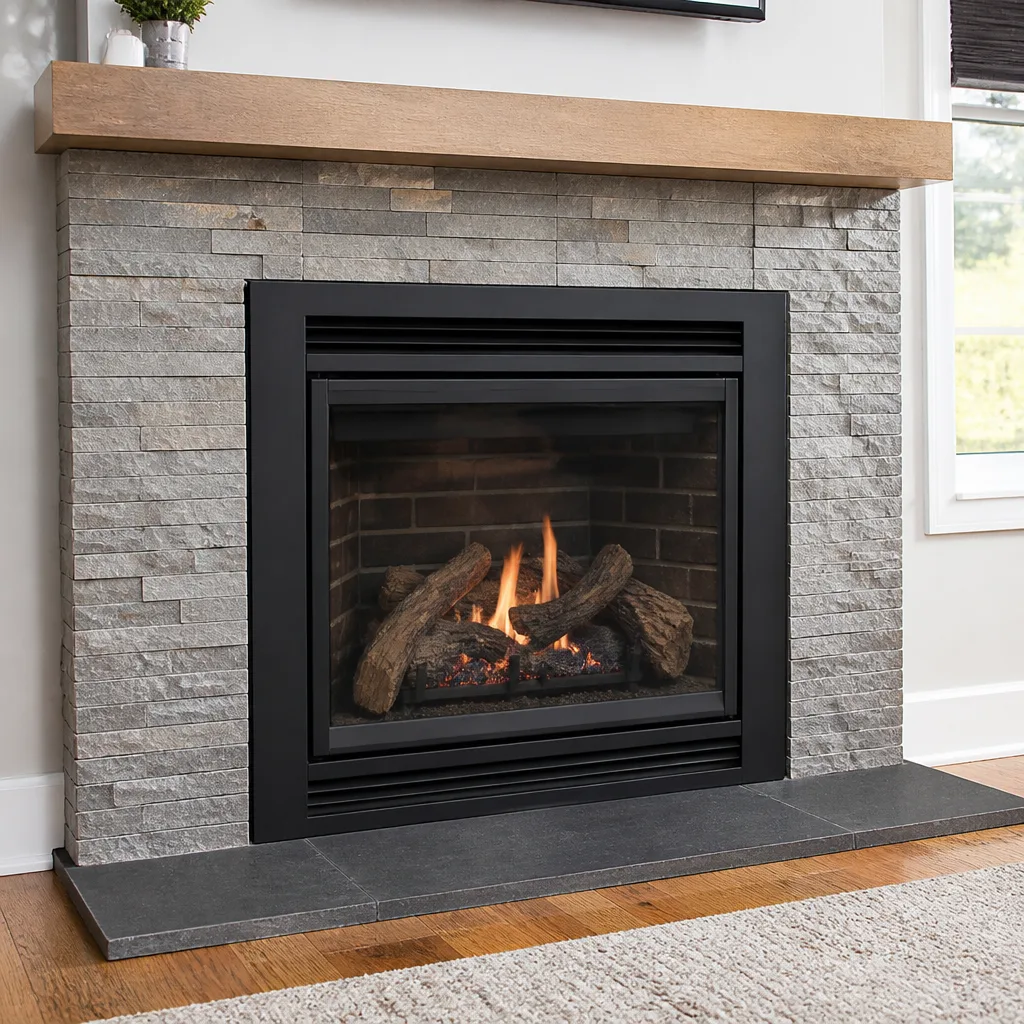 Gas fireplace service
Level 1 sweep and inspection to the NFPA 211 annual standard - flue, crown, cap, and flashing checked and photographed
Chimney sweep logs do not sweep chimneys. They loosen some creosote - which then falls where a brush and vacuum still have to collect it.
Chimney Cleaning Warning Signs: A Port Richmond Homeowner’s Reference Guide
Most homeowners treat a chimney like a black box: it either drafts or it doesn’t, and until something goes visibly wrong there’s nothing to look at. That assumption is the problem. A chimney gives you signals long before it fails, and almost every one of those signals points to a specific component – the crown, the flashing, the liner, the damper, the flue itself. A white stain on the brick outside your chimney isn’t cosmetic. It’s efflorescence, and it means water is already moving through your masonry and evaporating at the surface, which means something above the roofline is letting it in. Read the sign wrong and you’ll pay for a cleaning when you needed a crown repair, or ignore a liner problem and keep burning. This guide maps symptoms to causes so you know what you’re actually looking at, what it usually costs to fix, and when to stop using the fireplace entirely. Port Richmond rowhouses have their own patterns here, and we’ll get to those.
Quick Answer
Chimney cleaning warning signs fall into two groups: visible clues inside the house (smoke rolling back into the room, a sour smell in warm weather, dark flaky buildup in the firebox, crumbling mortar joints) and clues that only a camera inspection catches (cracked liner tiles, gaps at flue joints, a failed crown seal). Any sign of glazed, tar-like creosote or a damaged liner means stop burning until the flue is inspected; most other signs mean schedule a sweep before the heating season, not immediately.
Styles & brands we work with
- Sweep & inspection
- Caps & crowns
- Flue relining
- Masonry repair
- Gas fireplace service
Table of Contents
- The Symptom-to-Component Table: What Each Warning Sign Actually Means
- Why Port Richmond Rowhouses Backdraft More Than Detached Homes
- The Three Stages of Creosote and How to Tell Them Apart
- Warning Signs You Can See From Inside the House
- Warning Signs Only a Camera Inspection Finds
- Schedule Soon vs. Stop Burning: How to Triage What You’re Seeing
- What Warning Signs Usually Cost to Fix in Port Richmond
- Common Mistakes to Avoid
The Symptom-to-Component Table: What Each Warning Sign Actually Means
Every chimney symptom traces back to a part. A sweep who only cleans can tell you something is wrong and leave; a full-system approach means identifying which component failed and fixing it in the same visit. Here’s how the mapping usually runs in Port Richmond homes.
- Smoke rolling back into the room on light-up – usually a flue that’s too cold, a flue that’s undersized for the firebox opening, or a blocked flue. On older rowhouses it’s often a pressure problem, covered below.
- Sour, smoky smell in summer – creosote and soot residue wicking moisture in humid weather, or a downdraft pushing air down an unsealed flue. A properly fitted cap with a mesh screen and a sealed crown stop most of this.
- White staining on exterior brick – efflorescence. Water is getting into the masonry, often through a cracked crown or failed flashing, then migrating out and evaporating. Left alone it turns into spalling.
- Flaking, powdery brick faces (spalling) – the masonry has absorbed and released water through repeated freeze-thaw cycles. In a Port Richmond winter that freeze-thaw pattern is aggressive, and a compromised crown accelerates it.
- Rust streaks or rust flakes in the firebox – a metal damper, top plate, or liner component is corroding from water intrusion above.
- Poor draft with no visible blockage – a cracked or separated liner letting air mix into the flue, a damaged damper stuck partly closed, or negative pressure from the house itself.
- Dark, tar-like coating inside the flue – advanced creosote. This is a stop-burning sign, not a schedule-soon sign.
Notice how many of these are water problems wearing a chimney costume. In our experience, a large share of “chimney repair” calls in Port Richmond start with a crown that cracked a decade ago and let water work its way down through the masonry season after season. The fix is often a crown and cap job rather than a rebuild – which is exactly why chimney cap & crown work belongs in the same conversation as a sweep.
Why Port Richmond Rowhouses Backdraft More Than Detached Homes
Rowhouses are efficient at keeping heat in, and that’s the problem. A tightly sealed two- or three-story rowhouse with modern windows and a whole-house exhaust fan, a kitchen hood, or a dryer venting outdoors is essentially a sealed box that’s constantly pulling air out. Where does replacement air come from? Often down the chimney. This is negative-pressure backdraft, and it looks like smoke spilling from the firebox into the room seconds after you light a fire, or a cold draft coming down the flue when the fireplace is idle.
In Port Richmond’s older rowhouse blocks, three conditions stack up:
- Tight, narrow building envelopes. Neighboring walls share masonry, so a flue’s ability to draw depends on the whole row, not just one house.
- Fans and vents competing for air. A range hood or bathroom fan running while the fire is lit can reverse a marginal draft.
- Flues sized for old appliances. A flue built for a coal fire or an old furnace can be too large for a modern fireplace opening, so the smoke cools and stalls before it clears the top.
What does backdraft look like in practice? A thin curl of smoke at the firebox opening on a cold start, a fire that smokes for ten minutes and then “catches,” or a fireplace that works fine in mild weather and fails on the coldest nights. If that’s your pattern, the answer usually isn’t “sweep it harder.” It’s diagnosing the flue size, checking the cap for restriction, and looking at how the house is pulling air. Sometimes a properly engineered cap from a brand like Gelco or Famco fixes the downdraft; sometimes the liner is undersized or damaged and needs attention. We handle the full chimney system – from the firebox to the crown – because these problems rarely live in one part.
The Three Stages of Creosote and How to Tell Them Apart
Creosote is the residue of incomplete combustion, and it’s the single most important thing to understand when you’re deciding whether to keep burning. It builds through three distinct stages, and you can identify which stage you’re at from the firebox and the visible bottom of the flue, without tools.
Stage 1: Sooty, Powdery Residue
Looks like black dust or light soot, brushes off easily, and feels like fine powder on a fingertip. It’s the normal residue of a well-run fire and is removed by a standard sweep. If this is all you see, you’re on the right side of things – schedule a normal cleaning and keep burning.
Stage 2: Flaky, Crumbly, Crusty Buildup
This is soot that’s hardened into flakes or a corrugated crust, often with a glossy sheen where the deposit is thickest. It doesn’t wipe away; it takes a brush and some work. Stage 2 creosote is a sign your fires are running cool or the wood is too wet, and it’s the stage where you should book a cleaning before the next season rather than after it. A stiff brush and a proper inspection handle it.
Stage 3: Glazed, Hard, Tar-Like Creosote
This is the dangerous one. Stage 3 creosote looks like a glassy, tar-coated shell fused to the flue walls – dark brown to black, hard and shiny, sometimes with a rancid, smoky-tar smell that hangs around even with no fire lit. It won’t brush off; it takes chemical treatment and specialized removal. Glazed creosote is highly combustible and a genuine fire hazard, which is why it lands squarely in the “do not use this fireplace until inspected” column. If you see a mirror-like coating inside the flue, stop burning and call before your next fire.
One local note: Port Richmond’s mixing of older, unlined or clay-tile flues with wood-burning fireplaces means Stage 3 buildup is more common than it should be, because rough clay tile surfaces give tar a place to grab. When the flue itself is the problem, we work with DuraFlex flexible liner systems that conform to irregular and older flue configurations – the kind of setup a rigid-only crew will decline. In some cases HeatShield liner restoration can extend a deteriorating flue’s life without a full tear-out, which is often the difference between a liner repair and a rebuild.
Warning Signs You Can See From Inside the House
You don’t need a camera to catch the majority of early warnings. These are the clues that show up in the living room, in the firebox, or on the exterior of the house, and each one tells you something specific.
- Smoke at the firebox opening after the fire is established. Not a cold-start curl, but steady spill while the fire is going. Point to draft, flue size, or a partially blocked flue.
- A strong smoky or sour odor when the fireplace is off. Classic in Port Richmond’s humid summers: soot and creosote in the flue absorb moisture and off-gas into the room. A cap with a screen and an intact crown help, but a sweep clears the root cause.
- Cracked, crumbling, or missing mortar joints in the firebox. Heat has worked on the firebox brick and joints. This is repairable when caught early and expensive when ignored.
- Rust on the damper or firebox hardware. Water is coming down the flue. Follow it up: cap, crown, or flashing.
- A damper that won’t open fully or close tight. A warped or rusted damper hurts draft and lets conditioned air escape when the fireplace is idle.
- White efflorescence, dark streaks, or crumbling brick on the chimney exterior. Water intrusion. This is the one most homeowners miss because it’s outside and up.
- A missing, loose, or rusted-out cap. An open flue takes in rain, birds, and squirrels. A proper cap from a purpose-engineered line like Gelco or Famco closes that door; a hardware-store improvised cover doesn’t.
Any of these means it’s time for a professional look. Most of them don’t mean stop burning today – but they mean schedule soon, before the sign turns into structural damage.
Warning Signs Only a Camera Inspection Finds
Some failures hide where no flashlight reaches. A camera inspection and photo report is included with our service precisely because the problems that cause the most expensive repairs are often invisible from the firebox. What the camera catches that you can’t:
- Hairline cracks in clay flue tiles. Invisible from below, but they let heat and gases reach the masonry and framing.
- Separated or offset flue joints. Tiles that have shifted, leaving gaps between sections where creosote collects and gases escape.
- Missing or deteriorated mortar at the flue seams. The classic precursor to a liner failure.
- Chimney fire damage. A small fire you didn’t notice can leave cracked tiles and glazed creosote fused to the flue – invisible until the camera goes up.
- Blockages. Nests, debris, or a collapsed piece of flue tile sitting partway up. A blocked flue is a carbon monoxide risk, full stop.
- A deteriorated crown and flashing seal at the top. The camera and a roof-level look confirm what the exterior staining is already telling you.
This is where a sweep-only operation and a full-system specialist diverge. If a technician tells you something is “wrong” up the flue, ask to see the camera footage and photos before anyone quotes a repair. We include a camera inspection and a photo report with our chimney sweep so you’re looking at the same evidence we are.
Schedule Soon vs. Stop Burning: How to Triage What You’re Seeing
Not every warning sign is urgent, and treating them all as emergencies just makes people avoid the call. Here’s the honest split.
Schedule Soon (Before the Next Fire)
- Stage 1 or Stage 2 creosote visible in the firebox or lower flue
- A sour smell in the house in warm weather
- A light smoke curl on cold starts that clears once the fire draws
- Efflorescence, rust streaks, or a visibly damaged cap – water is getting in, but the flue is intact
- A damper that sticks
- It’s been more than a year since the last cleaning and you burn regularly
Stop Burning Until Inspected
- Stage 3 glazed, tar-like creosote inside the flue
- Any sign of a chimney fire – a rumble, a whoosh, or heat damage at the top
- Cracked or separated liner tiles found during inspection
- A blocked or restricted flue, or smoke that won’t clear the firebox
- Crumbling firebox joints or fallen masonry inside the firebox
- A carbon monoxide alarm that has gone off while the fireplace was in use
Safety is the reason to act here, not scare tactics. A blocked or cracked flue can let carbon monoxide into the house, and glazed creosote is genuinely combustible. If you’re in the stop-burning column, don’t light another fire until a technician has inspected the flue. If you’re in the schedule-soon column, that’s exactly what a seasonal sweep is for – book it before the first cold snap, because Port Richmond’s older rowhouse flues tend to have more to clear out than most.
What Warning Signs Usually Cost to Fix in Port Richmond
Homeowners want to know whether a sign means a cleaning or a liner replacement, and the honest answer is that the range is wide. What follows are typical estimated ranges for common jobs in the Port Richmond market. Every price is set per job by the written estimate – what you’ll actually pay is confirmed before any work is booked, and the estimate is free.
- Standard chimney sweep – typically $150 to $300, depending on flue length, access, and how much creosote is present. A camera inspection and photo report is included.
- Chimney cap replacement – typically $150 to $400, depending on cap size and the flue configuration.
- Crown repair or rebuild – typically $400 to $1,200, depending on how much of the crown has deteriorated and whether the chimney top needs rebuild work.
- Liner repair (HeatShield restoration) – typically $800 to $2,000, depending on the length of flue and the condition of the tiles.
- Full liner replacement (DuraFlex flexible liner) – typically $2,500 to $5,000+, depending on flue size, length, and complexity.
- Chimney rebuild (upper section or full) – typically $3,000 to $10,000+, depending on height and the extent of masonry damage.
- Firebox repair – typically $400 to $1,500, depending on whether it’s a mortar repoint or a full firebox rebuild.
The wide ranges are real, and they’re why a written estimate matters. A glazed-creosote cleanup may need chemical treatment and a longer sweep, which costs more than a standard cleaning but far less than a liner. A cracked crown that looks serious from the ground may be a straightforward crown repair, not a rebuild. And some of what looks urgent can safely wait – which is why we don’t recommend anything without camera evidence you can see for yourself. Call (833) 754-6815 for an exact quote. Estimates are free.
Common Mistakes to Avoid
- Assuming a clean sweep is the whole job. A clean flue with a cracked crown and a missing cap will be a dirty flue again by spring. Look at the whole system, not just the inside of the flue.
- Ignoring efflorescence because it looks cosmetic. That white staining is water moving through your masonry. Fix the crown or flashing and it stops; ignore it and it becomes spalling, then rebuild cost.
- Burning wet or unseasoned wood to “use up” what’s cut. Wet wood runs cool and deposits more creosote, pushing you toward Stage 2 and 3 buildup faster. Feed the fire dry wood and the buildup stays manageable.
- Running a kitchen hood or bathroom fan while the fireplace is lit. In a tight Port Richmond rowhouse this can reverse the draft and pull smoke into the room. Turn the fan off, or open a window near the fire, and the draft often recovers.
- Covering a missing cap with a hardware-store solution. An improvised cover can rust, warp, or block draft. A purpose-engineered cap from a line like Famco fits the flue and lasts.
- Trusting a verbal “it’s cracked up there” without seeing it. Ask for the camera footage and photos. If a technician won’t show you the evidence, don’t authorize the repair.
- Skipping the inspection because the fire “seems fine.” The signs that matter most – cracked tiles, gaps at the flue joints – don’t show up in how the fire burns. They show up on camera.
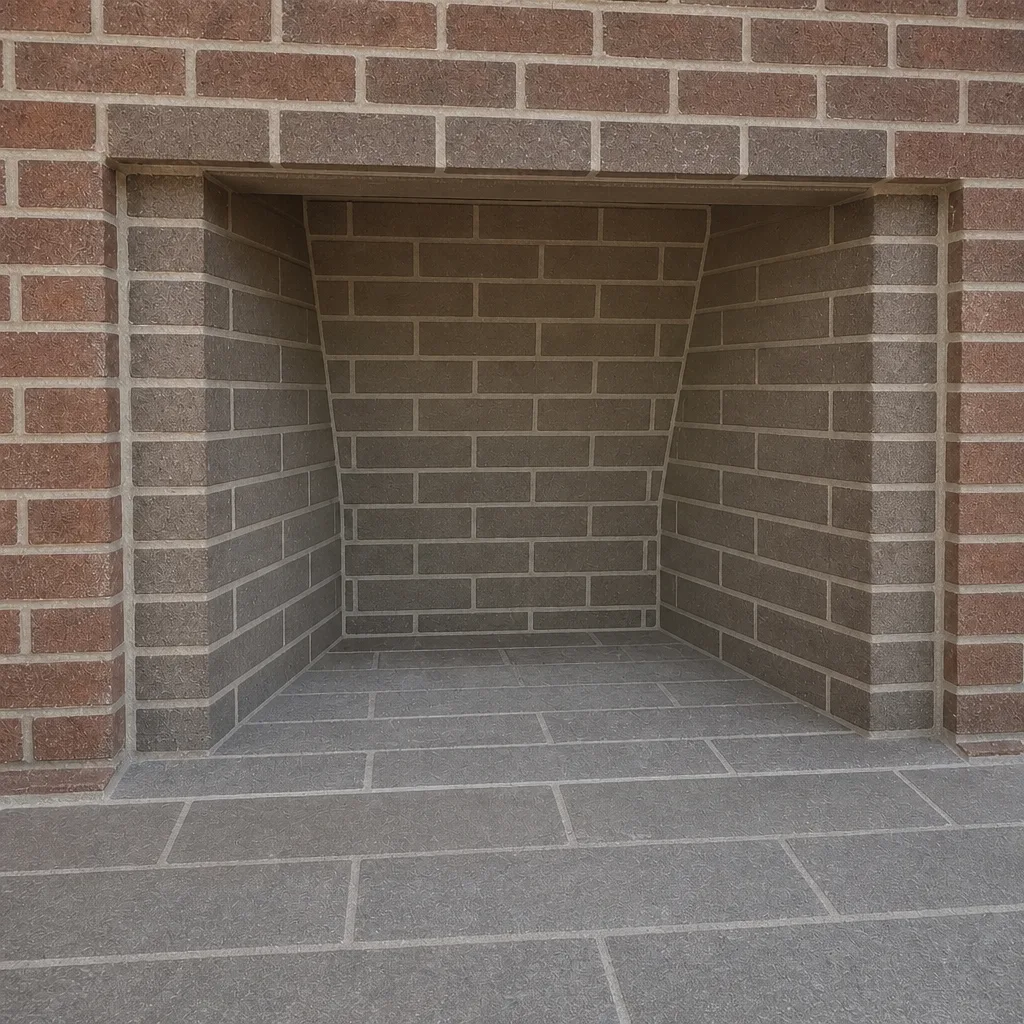
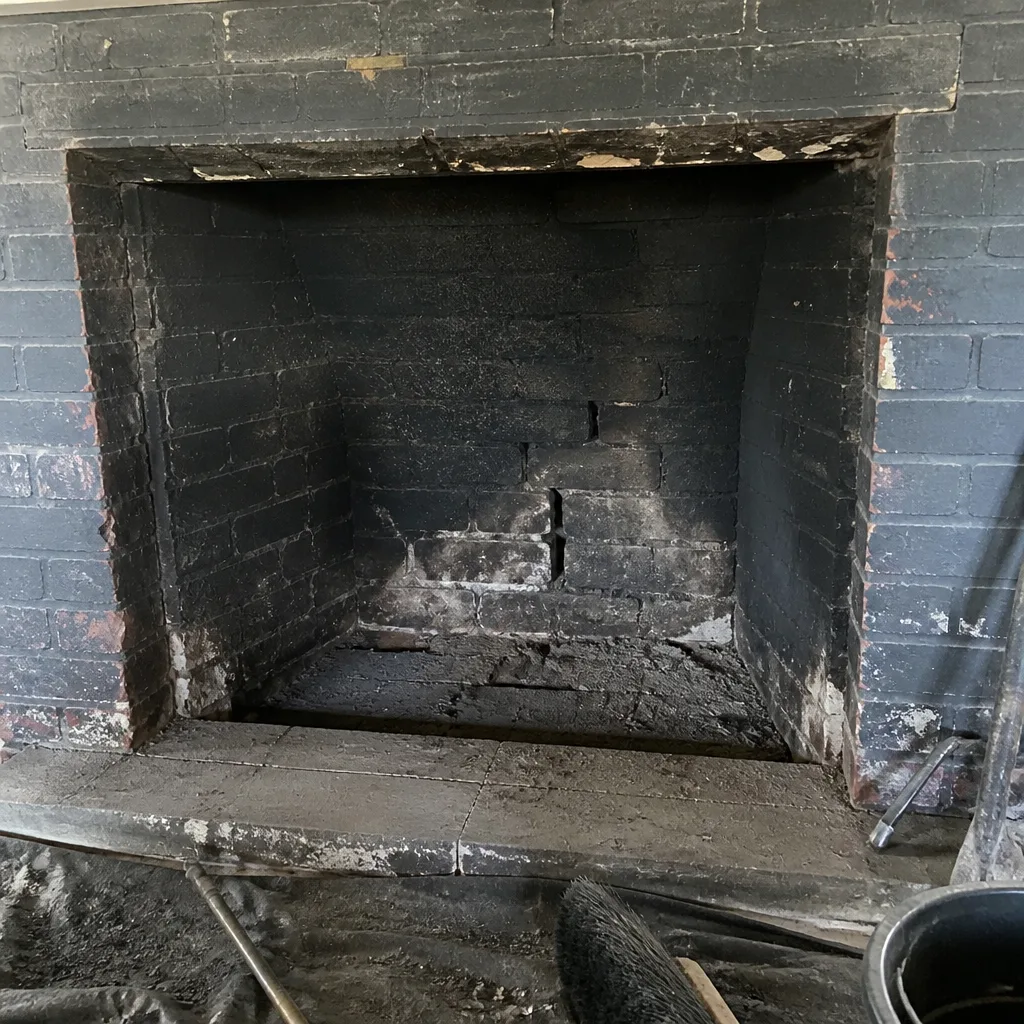
See the difference
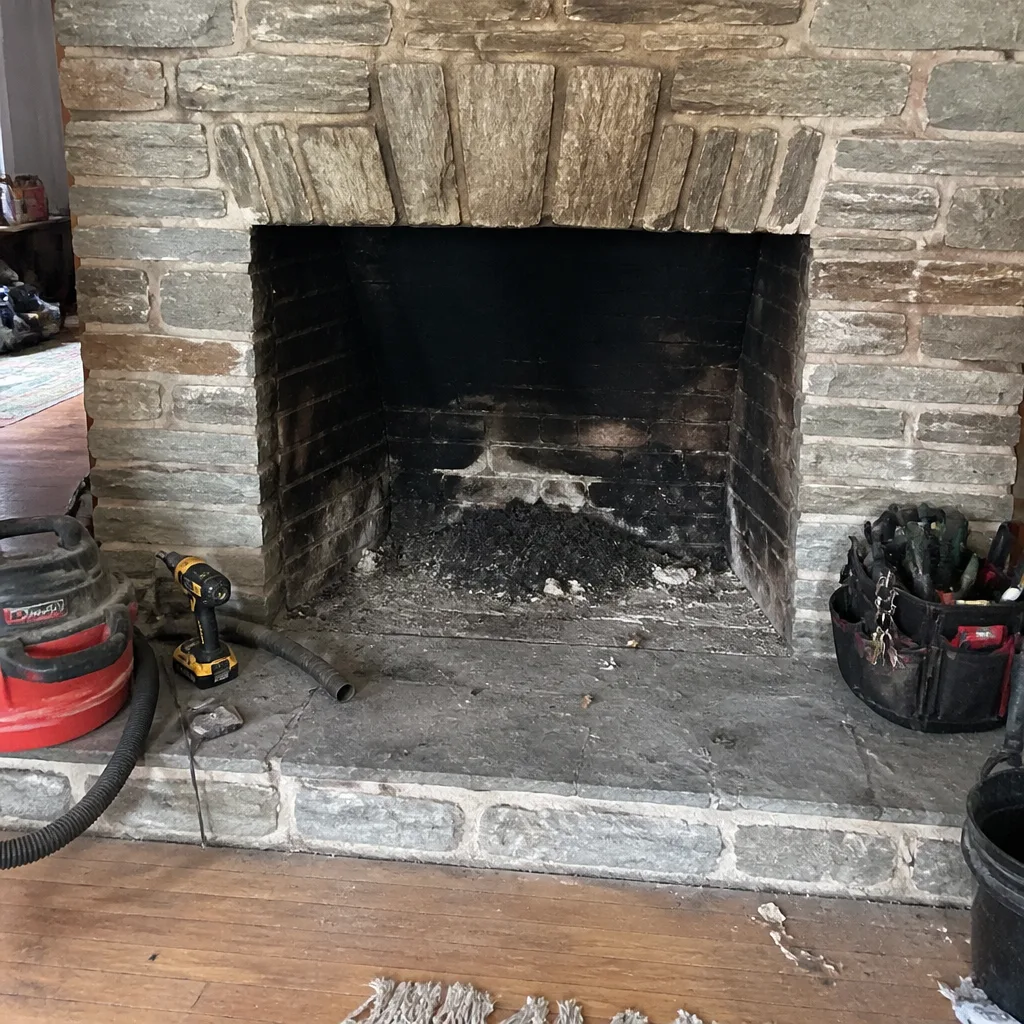 Before
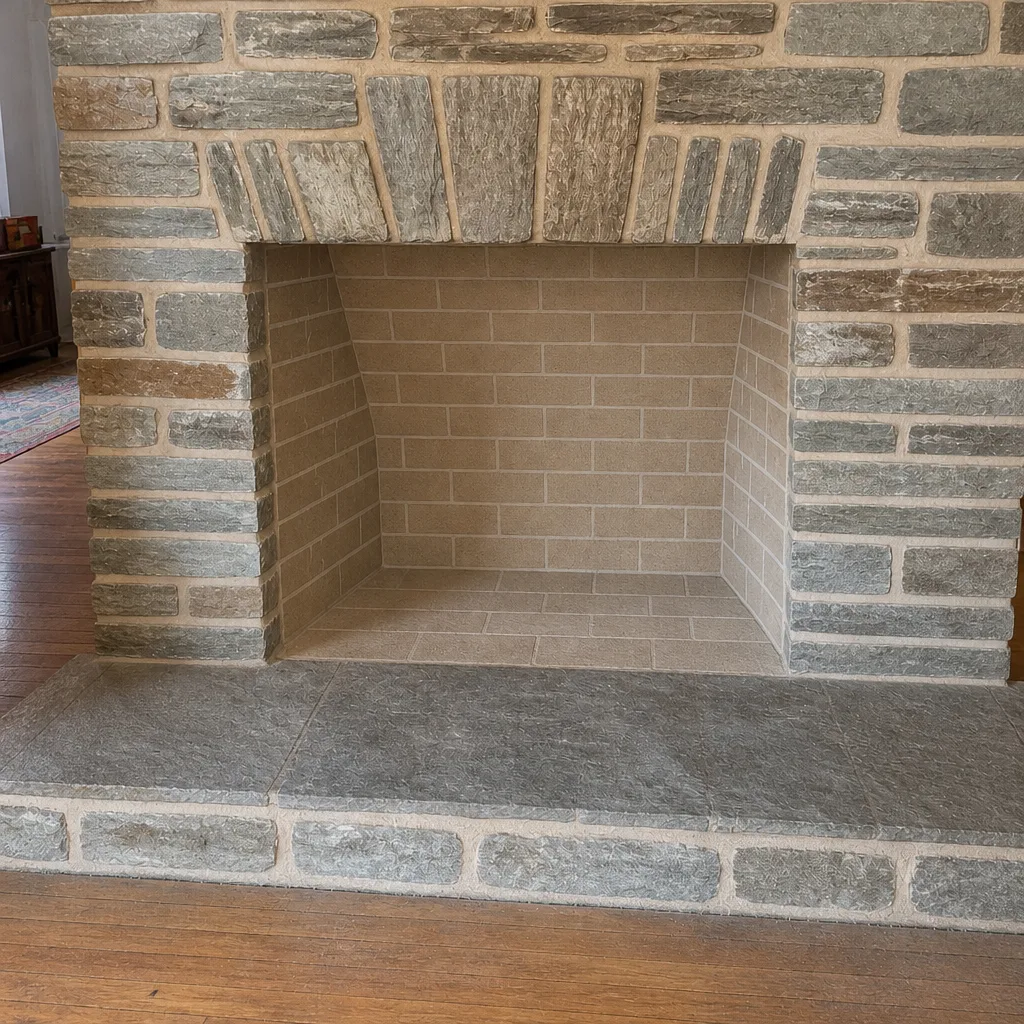 After
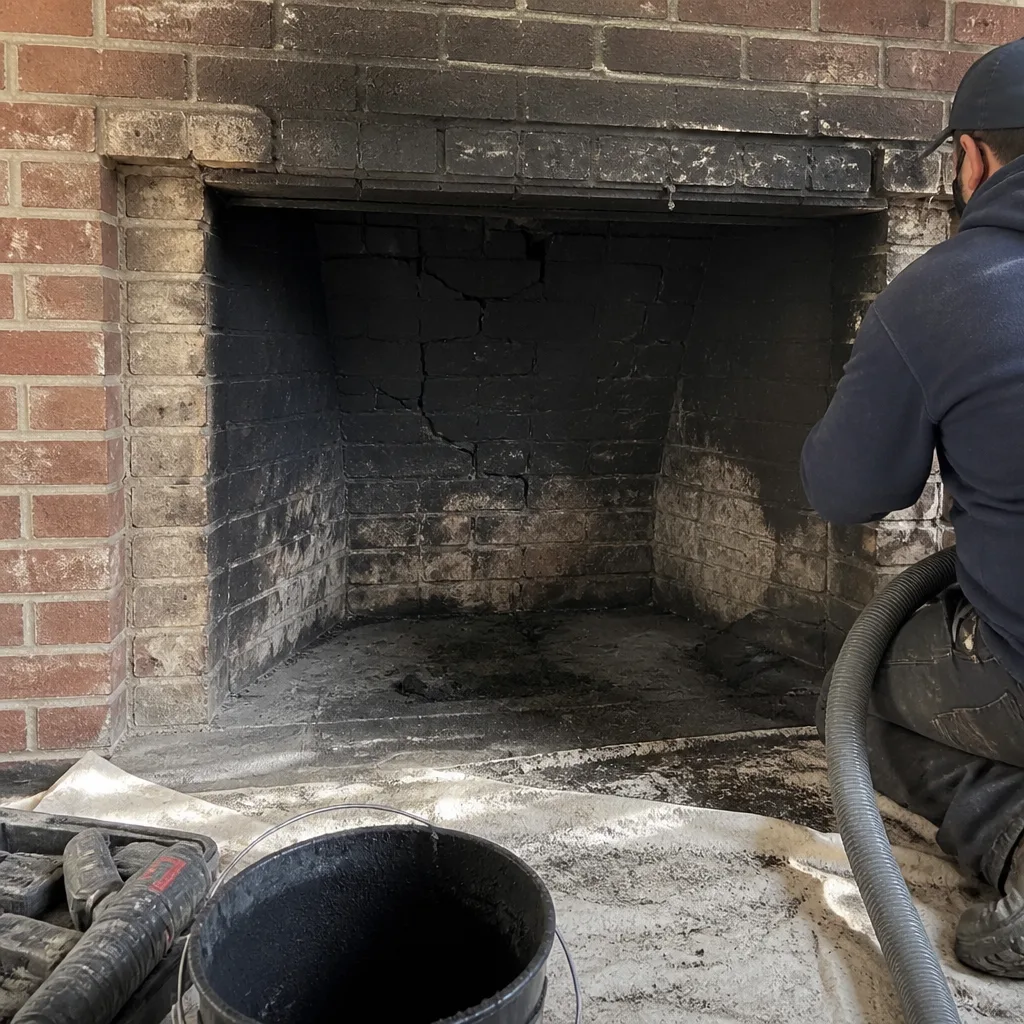 Before
 After
 Before
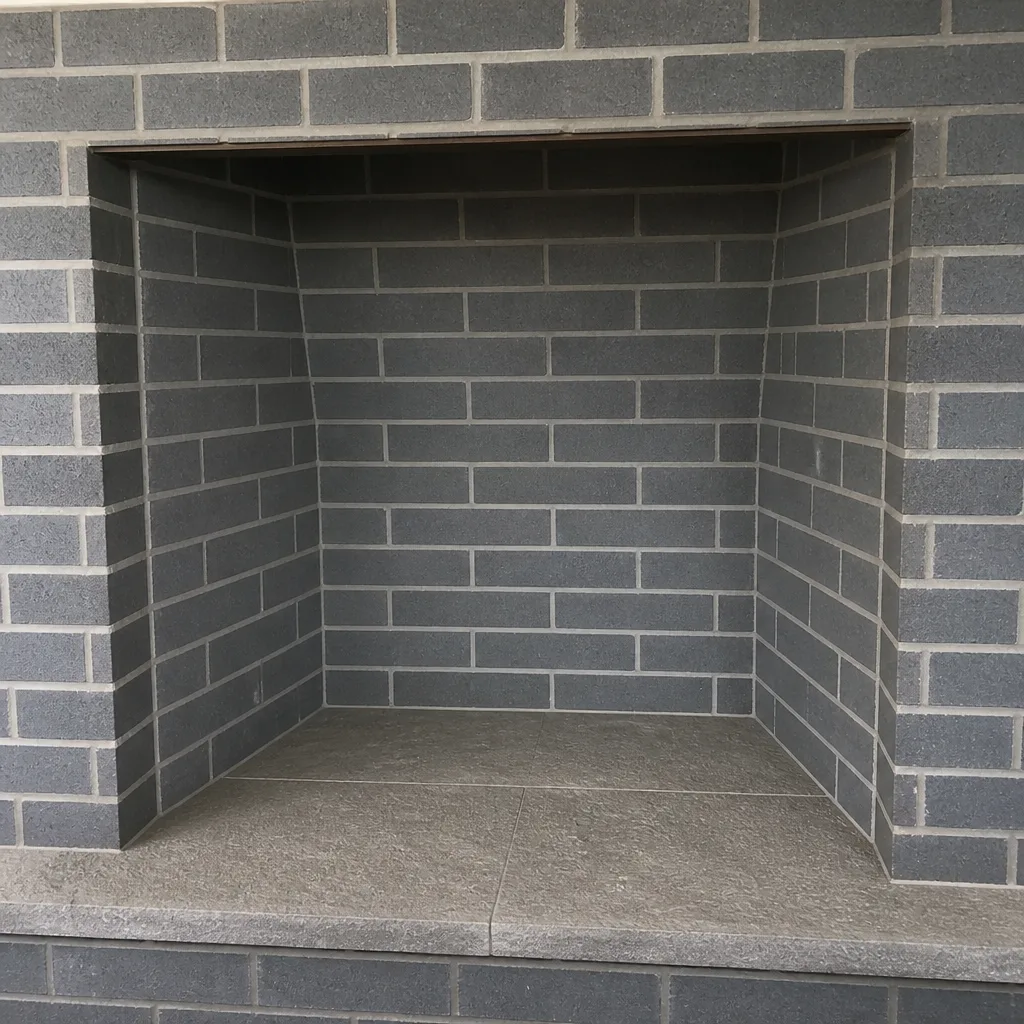 After
When to Call a Professional
Call us when you see any sign in the stop-burning column, when it’s been more than a year since the last cleaning, or when an exterior warning – efflorescence, spalling, a damaged cap – appears above the roofline. Call before the heating season if you burn regularly, and call if a previous technician flagged something without showing you the evidence. We handle the full chimney system, from the firebox to the crown, and we can do the sweep, the chimney repair, and the rebuild without handing you off to another contractor. Chimney Sweep Port Richmond offers free estimates in Port Richmond – call (833) 754-6815. We answer 24/7. Fast dispatch from 7am to 7pm, Sunday through Friday.
Frequently Asked Questions
Chimneys used regularly for wood fires should be swept once a year, and more often if you burn green wood, burn often, or see Stage 2 creosote in the firebox. Port Richmond’s older rowhouse flues tend to accumulate faster than newer ones because rough clay tile gives creosote a place to grab, so an annual inspection is the baseline. Call (833) 754-6815 to book a sweep before the season.
You need a new liner only if the camera shows cracked, separated, or missing tiles, or glazed creosote that can’t be safely removed – and you should see the footage before you agree to anything. HeatShield liner restoration can often extend a deteriorated flue’s life without a full replacement, and that’s a middle option worth asking about. We don’t recommend a liner without camera evidence you can view for yourself. Call (833) 754-6815 for a free estimate.
Creosote builds in layers, moving from sooty Stage 1 to crumbly Stage 2 to glazed Stage 3, and Stage 3 is combustible. A flue with cracked or separated tiles also lets carbon monoxide reach the house. Skipping a sweep doesn’t cause a problem on day one, but it lets a small, cheap fix become a liner or rebuild job. Call (833) 754-6815 for an exact quote – estimates are free.
Rowhouses are tight, and exhaust fans, kitchen hoods, and dryers pull air out of the house faster than it can come back in – so it comes down the chimney. That negative-pressure backdraft usually shows up as smoke at the firebox on cold starts, and it’s a draft and flue-size problem, not a cleaning problem. A camera inspection shows whether the cap, liner, or flue size is the cause. Call (833) 754-6815 for a free estimate.
Stage 2 is flaky and crusty and comes off with a brush; Stage 3 is glazed, hard, tar-like, and won’t brush away – it looks almost like a glassy shell inside the flue. If it’s shiny and fused to the wall, stop burning and call. Call (833) 754-6815 for an exact quote – estimates are free.
Efflorescence means water is moving through your masonry and evaporating at the surface, so it’s worth fixing rather than ignoring – a cracked crown or failed flashing is usually behind it. Caught early it’s a crown or cap repair; left alone, the freeze-thaw cycle in a Port Richmond winter turns it into spalling and rebuild cost. Call (833) 754-6815 for a free estimate.
The Bottom Line
Every warning sign has a source component, and knowing which one is failing is the whole game. White staining means water and probably a crown or cap problem. Sour summer odor means creosote and residue in the flue. Smoke in the room usually means draft or flue size, and in Port Richmond’s tight rowhouses, negative pressure. Glazed Stage 3 creosote and cracked liner tiles mean stop burning and call before you light anything. Everything else is a schedule-soon sign – worth fixing before it becomes structural, and best handled by a full-system specialist who sweeps, inspects, and repairs in one place. When you’re ready, we’ll show you the camera evidence before anyone recommends a repair.
If your chimney is showing any of these signs, don’t wait on the next cold snap. Call (833) 754-6815 for a free estimate. We answer 24/7. Fast dispatch from 7am to 7pm, Sunday through Friday – and we’ll bring the camera, so you see exactly what we see. Start with a Chimney Sweep Port Richmond inspection and go from there.
Written by the team at Chimney Sweep Port Richmond.