
Last updated November 22, 2026
 Sweep & inspection
 Caps & crowns
 Flue relining
 Masonry repair
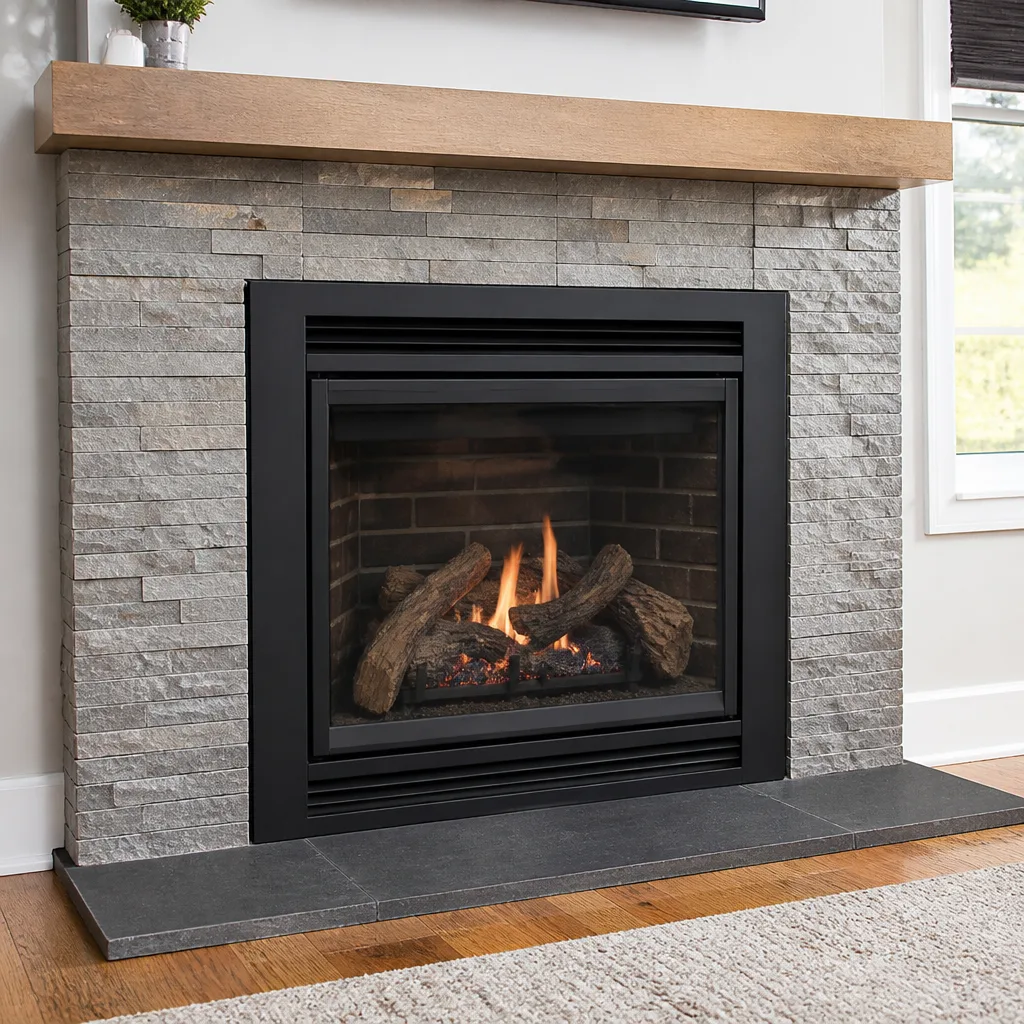 Gas fireplace service
Level 1 sweep and inspection to the NFPA 211 annual standard - flue, crown, cap, and flashing checked and photographed
Chimney sweep logs do not sweep chimneys. They loosen some creosote - which then falls where a brush and vacuum still have to collect it.
Chimney Cleaning Emergency Preparedness Guide for Port Richmond Homes
Most homeowners think a chimney fire announces itself with flames at the top of the stack. It usually doesn’t. A flue fire often sounds like distant roaring or a low rumble, smells like hot metal or burning insulation, and stays hidden inside the chimney while it heats the masonry around it. In Port Richmond’s rowhouses, that heat has nowhere to go but into the walls you share with your neighbors. This guide covers how to recognize an active chimney emergency, what to do in the first sixty seconds, how to prepare before anything happens, and what must be checked before you light another fire. It’s written for people who actually use their fireplaces, in a neighborhood where the buildings sit closer together than almost anywhere else in the city.
Quick Answer
If you suspect a chimney fire in Port Richmond, close the damper and the glass doors if you can do it safely, get everyone out of the house, and call 911. Do not try to fight it. After any chimney fire, the chimney must be inspected before it is used again, and a Level 2 inspection is the standard that applies once a fire has occurred. Preparation before an emergency is what keeps a rowhouse chimney problem from becoming a block-wide one.
Styles & brands we work with
- Sweep & inspection
- Caps & crowns
- Flue relining
- Masonry repair
- Gas fireplace service
Table of Contents
- How do you know if your chimney is on fire?
- Why does rowhouse construction raise the stakes in Port Richmond?
- What is the exact response sequence for a chimney fire?
- What should you tell the fire department about your chimney?
- What has to happen after a chimney fire before you relight?
- How should you prepare your chimney before an emergency?
- How does carbon monoxide fit into chimney emergencies?
- Common Mistakes to Avoid
- When to Call a Professional
How do you know if your chimney is on fire?
A chimney fire can be loud and obvious or nearly silent, and the quiet ones are the ones people miss. What you’re listening and looking for is a set of signals that point to combustion happening inside the flue rather than in the firebox. If several of them show up together, treat it as an active fire until a professional tells you otherwise. The signals below are what we ask Port Richmond homeowners to run through when something feels wrong.
- Sound: a low roaring, rumbling, or popping that seems to come from inside the wall or above the firebox rather than from the fire you can see. Some people describe it as a train passing in the distance.
- Smell: hot metal, burning creosote, or something like burning insulation. Burning insulation is a different animal entirely – it usually means heat has moved into the structure around the flue, not just the flue itself.
- Sight: dense smoke backing into the room, sparks or flames visible at the top of the chimney, or a chimney cap glowing at the roofline. From the street, a chimney that looks like it’s breathing fire is a confirmed emergency.
- Touch: a chimney breast or surrounding wall that feels hot to the back of your hand when it normally doesn’t. Heat traveling through masonry is a structural warning, not a cosmetic one.
- Puffy creosote: if you’ve seen honeycombed, swollen creosote inside the flue during a prior inspection, the fire risk in that flue is already elevated.
One signal alone is reason enough to stop using the fireplace and call. Two or more together, and you should be acting, not diagnosing. The difference between a chimney that survived a small flue fire and one that cracked its liner and exposed the framing is usually how fast someone recognized what they were hearing. Our technicians have up to 12 years of experience, and the pattern we hear over and over is that people waited because they weren’t sure.
Why does rowhouse construction raise the stakes in Port Richmond?
Port Richmond is built on attached rowhouses, and that single fact changes how a chimney fire behaves. In a detached home, a flue fire that breaches the chimney has open air and a firewall of distance before it reaches anything else. In a rowhouse, the chimney is often a shared stack running up between two homes, and a masonry chimney that overheats can transfer heat directly into a party wall that both families depend on. Minutes matter more here, and they matter for more than one household.
Older rowhouse chimneys in Port Richmond also tend to be working chimneys – brick stacks with original flue tiles that have spent decades moving between hot and cold. That cycle opens cracks and gaps in the tile joints. A cracked flue tile doesn’t just vent smoke badly; it gives fire and carbon monoxide a path into the wall cavity. When a flue has lost its integrity, the chimney stops being a chimney and starts being a hole in the building.
What this means practically:
- Treat any suspected flue fire as a multi-home emergency. If your wall is hot, the house on the other side of that wall needs to know.
- Know where your nearest exit is that doesn’t pass under the chimney or through the room with the fireplace.
- Tell the fire department the chimney is shared or attached if it is, and whether the flue is tiled brick, clay, or has been relined.
- Don’t assume the neighbor’s chimney is fine because yours looks fine. Shared stacks fail at the joint.
This is why preparation in Port Richmond is not a luxury. A homeowner who knows their liner type and inspection date before anything happens gives the fire department real information instead of a guess. It’s the kind of detail that changes how a response unfolds.
What is the exact response sequence for a chimney fire?
If you believe your chimney is on fire, the sequence below is the one to follow. Keep it simple, keep it fast, and don’t improvise. The single most dangerous instinct is to try to put the fire out from inside the house.
- Close the damper and the glass doors. If you can reach the damper handle safely, close it, and close the fireplace doors if you have them. This cuts the air supply to the flue fire and keeps smoke out of the room. Do this only if it takes seconds.
- Get everyone out of the house. Adults, kids, pets. Go out the nearest safe exit and don’t stop to gather belongings.
- Call 911 from outside. Tell them it’s a chimney fire, that you’re in a rowhouse in Port Richmond, and whether the chimney is shared with a neighbor.
- Stay out. Don’t re-enter to check on the fire. Wait for the fire department and follow their instructions.
- After the fire is out, don’t relight. The fireplace stays cold until a professional inspects the chimney.
What you should not do: throw water down the chimney, spray a fire extinguisher into the firebox, or climb onto the roof to look. Water on a hot masonry flue can crack it outright, and a hot chimney on a rowhouse roof is not a place anyone should be during an active fire. If you smell burning insulation and the fire appears to be in the structure rather than the flue, that’s a 911 call, not a damper adjustment – the fire has already left the chimney.
Speed is the whole point of this sequence. In a detached home, a slow response is a risk. In a Port Richmond rowhouse, it’s a risk to your neighbors too.
What should you tell the fire department about your chimney?
The fire department responds to what you tell them, and vague information costs time. When you call, the details that actually help are the ones that describe your specific chimney and building. Have these ready in your head, or better, written down where you can grab them.
- Building type: rowhouse, and whether the chimney is shared with the attached neighbor.
- Chimney type: masonry brick with clay tile flue, metal prefab, or a metal liner installed inside a masonry chimney.
- Liner status: original tile, relined, or unknown. If you’ve had liner work done, name the system – HeatShield restoration and a DuraFlex flexible liner behave differently in a fire, and knowing which one is in the flue helps responders assess the risk.
- Appliance: wood-burning fireplace, wood stove, gas insert, or oil or gas furnace vented into the same chimney.
- Last inspection: when it was and what was found. This is the single most useful piece of information you can hand a first responder.
- Neighbors: whether the attached home shares the stack, and whether anyone there has been alerted.
You don’t need perfect recall in the moment. You need enough to point the response in the right direction. Keep this list somewhere you can reach – the same folder as your homeowner documents, or pinned to the inside of a kitchen cabinet. The point is to have it before you need it.
What has to happen after a chimney fire before you relight?
After any chimney fire, the chimney must be inspected before it’s used again. That’s not a recommendation invented to sell inspections – it’s the standard set by NFPA 211, the national code for chimneys and venting. A fire event triggers a Level 2 inspection, which is more than a visual check from the firebox. It looks at the flue from multiple angles and assesses hidden damage that a basic look cannot see.
A Level 2 inspection after a chimney fire in Port Richmond should include:
- Video camera inspection of the flue to find cracked or displaced tiles, gaps in joints, and missing mortar.
- Checking the crown, cap, and flashing for heat damage, since the top of the chimney takes the worst of the heat.
- Inspecting accessible portions of the chimney exterior for cracked masonry and open joints.
- Checking the firebox and smoke chamber for damage from the fire itself.
- A written report of what was found, what’s safe, and what needs repair.
The camera evidence is the part that matters most to homeowners. You’re being told your chimney needs work after a fire, and you deserve to see the flue on a screen rather than take it on faith. We include camera inspection and a photo report with our sweeps so that nothing gets recommended without evidence you can look at yourself.
If the flue tiles are cracked but the chimney structure is otherwise sound, HeatShield liner restoration can often rebuild the flue from the inside without tearing out the chimney. If the damage is more extensive, a DuraFlex flexible liner can reline a flue that rigid liners can’t reach. Either way, the decision comes after the inspection, not before. A chimney that hasn’t been inspected after a fire isn’t cleared for use, full stop.
How should you prepare your chimney before an emergency?
Preparation is the difference between a homeowner who can answer a first responder’s questions and one who can’t. It takes an hour, and it lives in a folder. Here’s what to document and where to keep it.
- Last inspection date and findings. The date, who did the inspection, and the report. If a camera inspection found specific issues, keep the photos.
- Liner type. Original clay tile, HeatShield restoration, DuraFlex flexible liner, or something else. Name the system if you know it – “relined” is less useful than the actual product.
- Appliance model and fuel type. Wood fireplace, gas insert, wood stove, or a furnace vented into the same chimney. Note the make and model of any insert or stove.
- Cap and crown details. What kind of cap is on top, whether it’s screened, and when the crown was last checked.
- Recent sweep date. When the chimney was last swept, and whether it was a routine sweep or a repair visit.
File it where you can find it in thirty seconds, not thirty minutes – a kitchen drawer, a labeled folder, or a photo on your phone. The single act of taking photos of your inspection report and saving them to your phone is worth more in an emergency than any binder on a shelf.
Preparation also means knowing your chimney’s general condition. Creosote buildup, cracked tiles, and a rusted cap don’t announce themselves. A routine chimney sweep is where most of these problems get caught, long before they turn into an emergency. If it’s been more than a year since your last sweep and inspection, get on the schedule before the heating season starts, not in the middle of it. When you call, ask what the inspection will actually cover – a proper one goes beyond the firebox.
How does carbon monoxide fit into chimney emergencies?
Carbon monoxide is the chimney emergency people don’t see coming. A blocked or cracked flue doesn’t always announce itself with smoke. Sometimes the exhaust from a gas furnace, water heater, or wood stove goes back into the house instead of up the chimney, and the first sign is a CO alarm, a headache, or worse. A partial blockage of the flue, a damaged liner, or a nest or debris cap is enough to cause it.
Setup matters. Here’s what to check:
- Have a CO alarm on every level of the home, and near the sleeping areas, and follow the manufacturer’s placement instructions. If your only alarm is in the basement, you’re missing the rooms where people actually sleep.
- Test alarms on the schedule the manufacturer gives you. A CO alarm that isn’t working is worse than none, because you’re relying on it.
- Treat any CO alarm with an appliance venting into the chimney as a chimney event. Get out, call 911, and don’t relight anything until the chimney is inspected.
- If you’ve had a flue fire, treat the chimney as suspect for CO until a Level 2 inspection clears it. Cracked tiles vent CO into the wall.
For Port Richmond homes with combustion appliances, a CO alarm that goes off with no obvious cause is a reason to have the chimney inspected before the appliance is used again, not after. A chimney sweep and inspection will show whether the flue is blocked, breached, or simply overdue. It’s a small appointment compared to the alternative. This is also why we respond to chimney repair calls where the flue is cracked or blocked with the same urgency as a fire.
Common Mistakes to Avoid
- Waiting to be sure before calling 911. On a rowhouse, certainty is expensive. If you hear roaring or smell hot metal, act. You can be wrong and still be fine; the reverse doesn’t work.
- Relighting after a chimney fire without a Level 2 inspection. The fire may have damaged the flue tiles in ways you can’t feel from the firebox. Lighting up again on a cracked liner sends heat and gases into the wall.
- Assuming the neighbor’s chimney is fine because it’s a shared stack. Shared chimneys fail at the joint. If your side of the wall is hot, the other side needs to know, and it needs its own inspection.
- Throwing water down the chimney. A hot masonry flue can crack from the thermal shock. Water is not the tool here; the fire department is.
- Skipping the camera inspection. A visual check from the firebox misses most of what matters. Insist on camera video and a written report.
- Treating a CO alarm as a battery problem. If an alarm goes off and you can’t explain it, treat it as a venting problem until a chimney professional has looked at the flue.
- Cleaning or inspecting once and calling it done. Creosote rebuilds every season. An annual inspection is the baseline, not a one-time event.
When to Call a Professional
Call a professional if any of the following applies: you’ve had a chimney fire, even a small one; a CO alarm has gone off with no explained cause; you smell smoke in the house when the fireplace isn’t lit; you’ve noticed cracked or missing flue tiles; the cap or crown is damaged or missing; your chimney hasn’t been swept or inspected in over a year; or you’re about to use a fireplace you haven’t had checked since moving into the home. For Port Richmond rowhouse owners, the shared-stack situation is reason enough to have the flue inspected after any fire-related event, yours or a neighbor’s. Chimney Sweep Port Richmond offers free estimates in Port Richmond – call (833) 754-6815. We handle the full chimney system, from the sweep and the chimney cap & crown down to the firebox, and we work with professional-grade materials from brands like Copperfield and Gelco so a repair can be traced and warrantied the way it should be.
See the difference
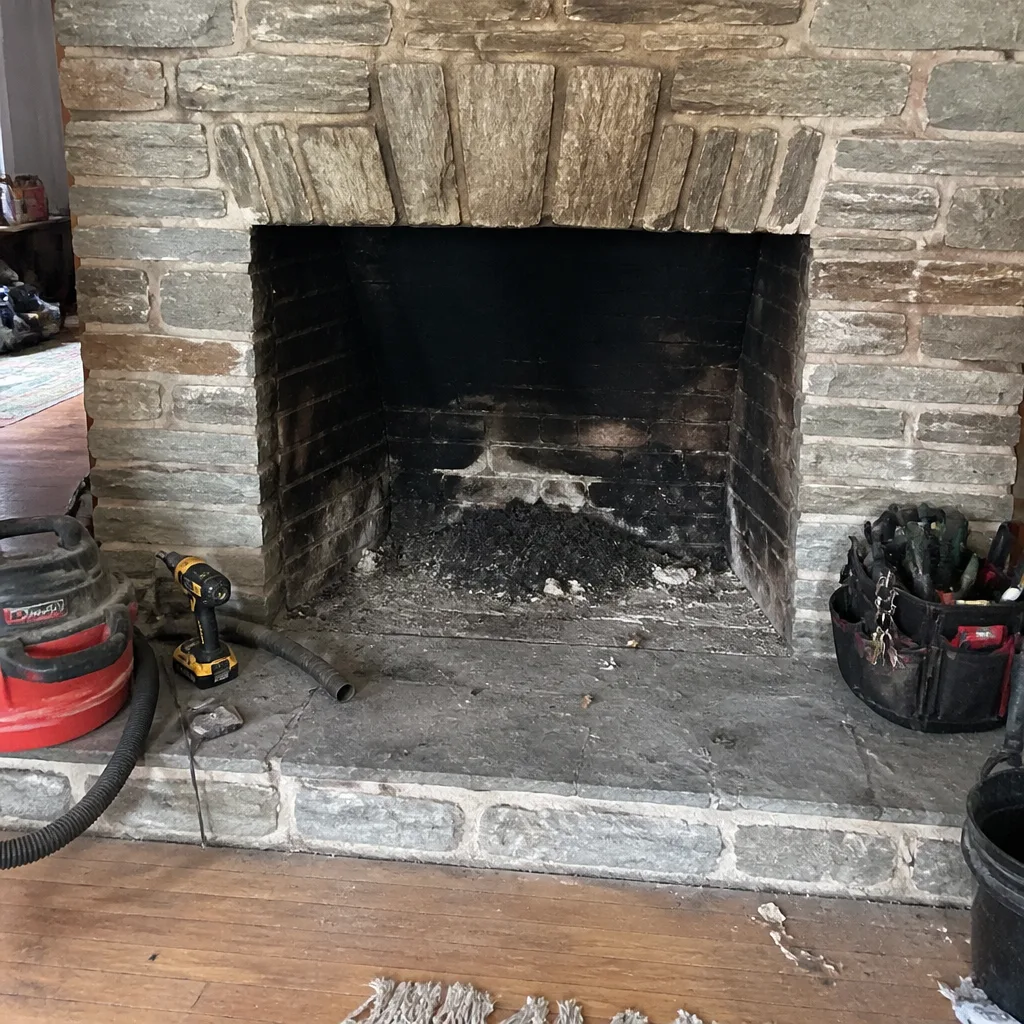 Before
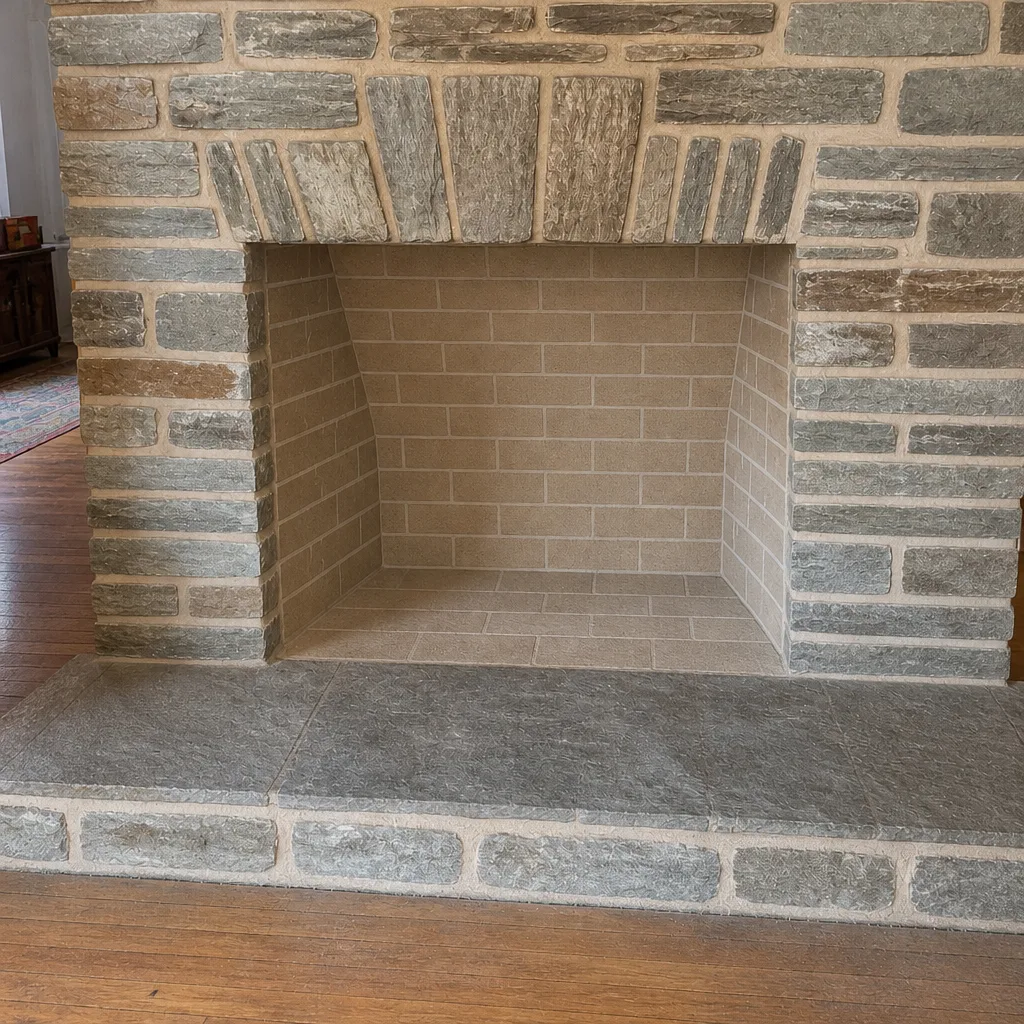 After
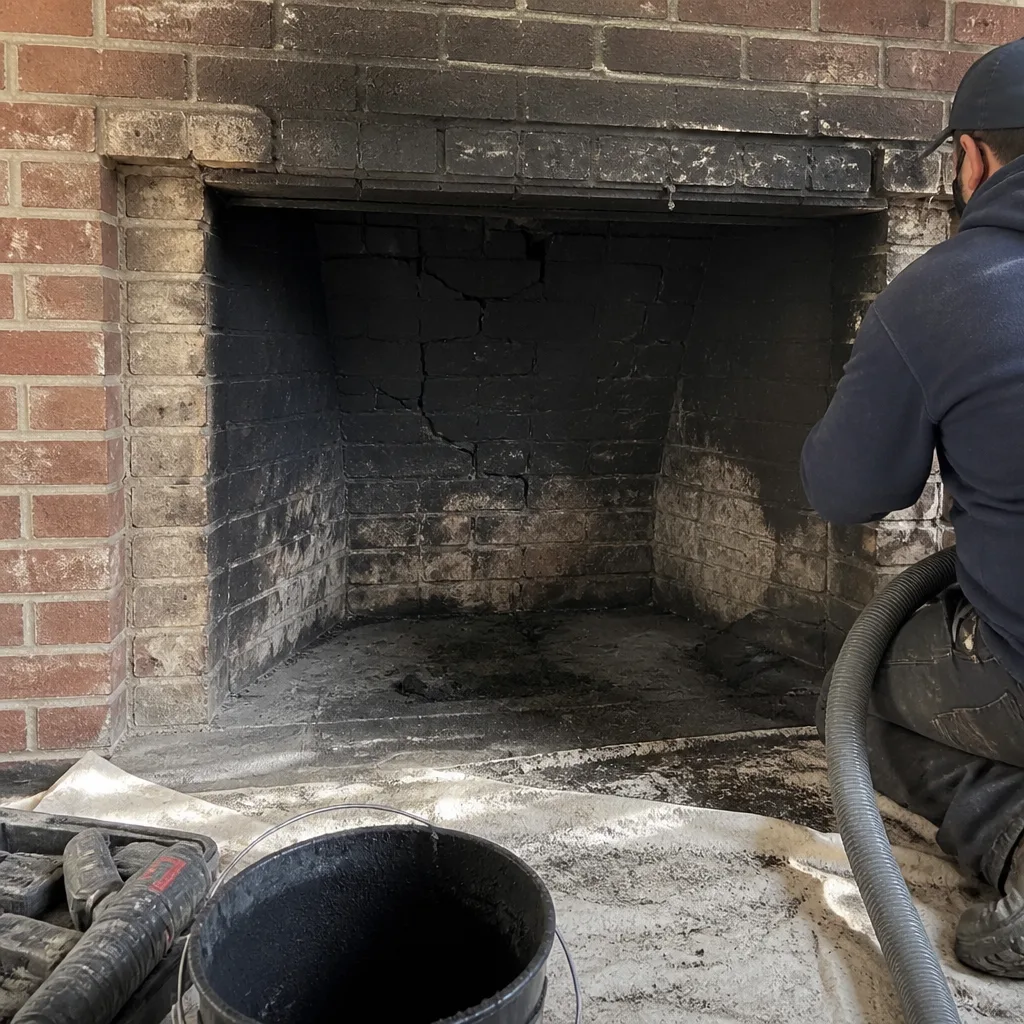 Before
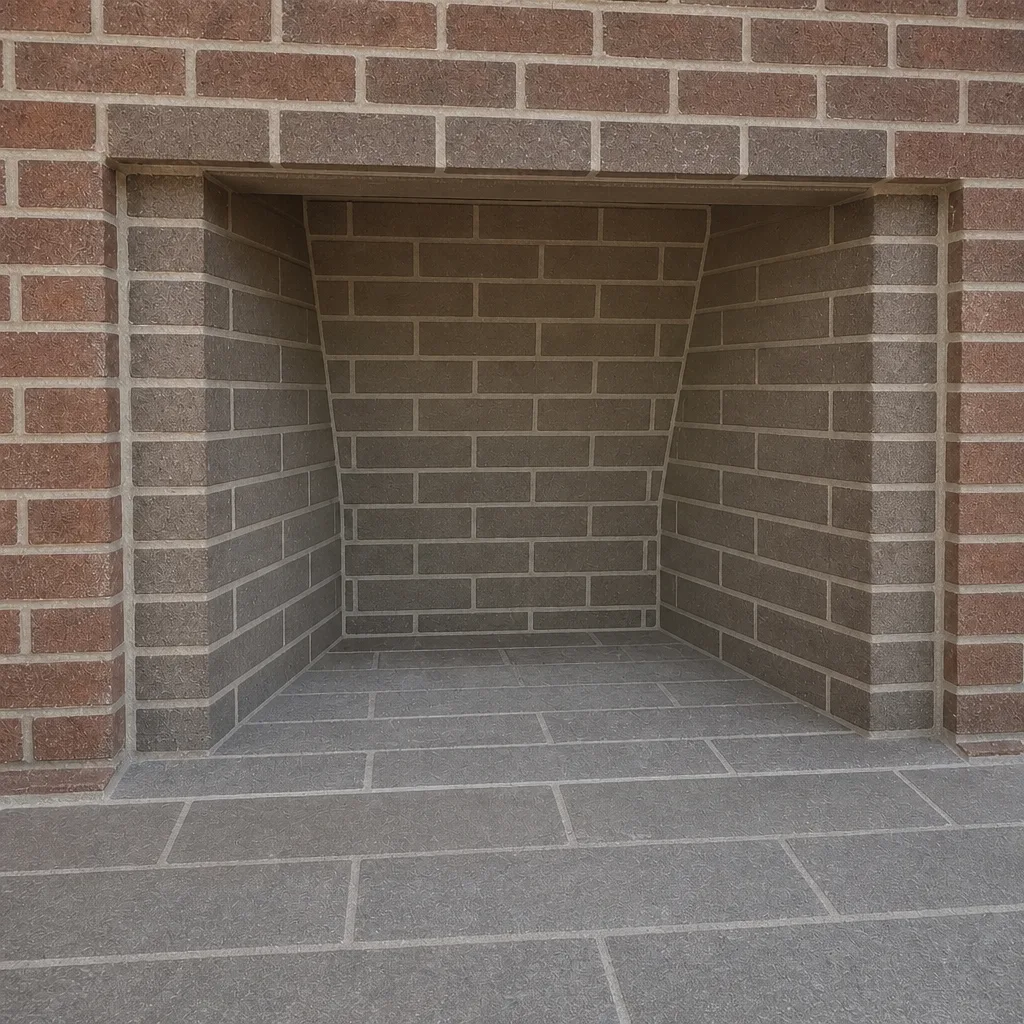 After
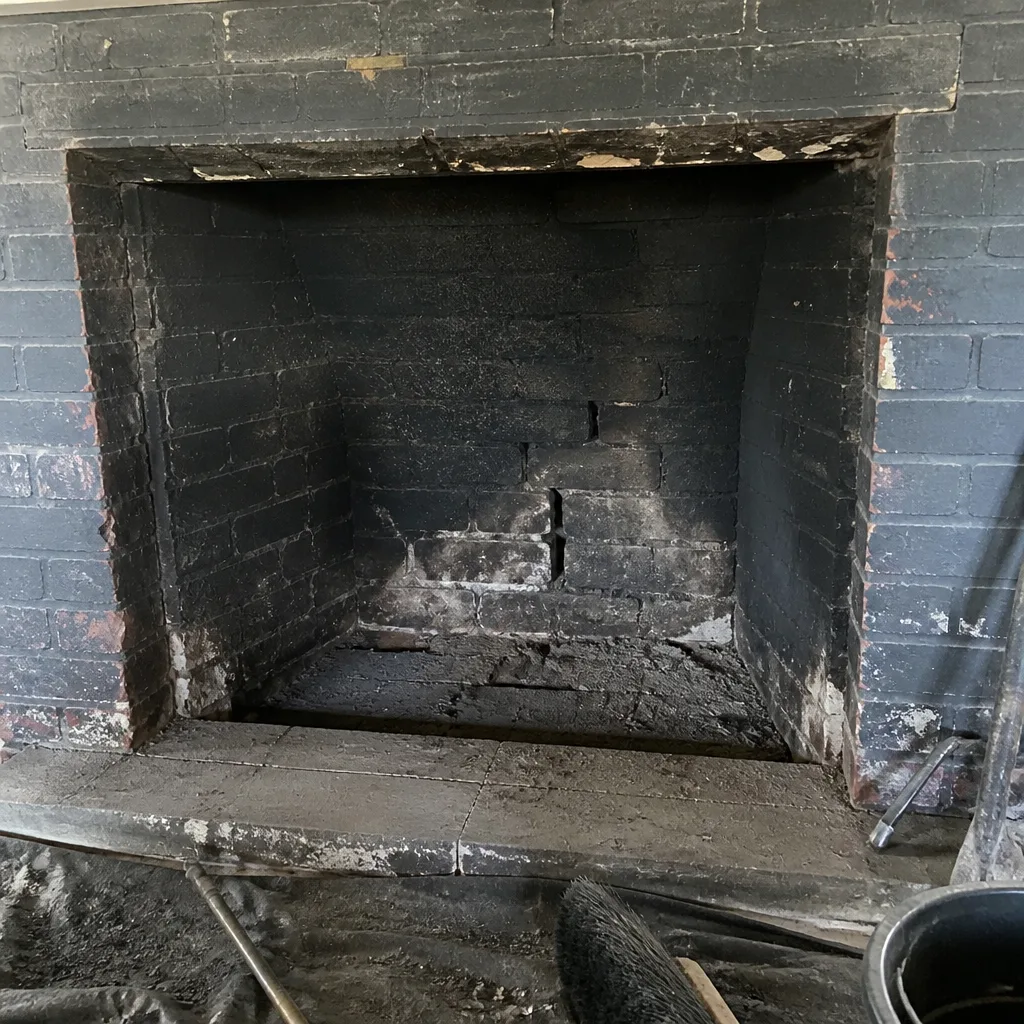 Before
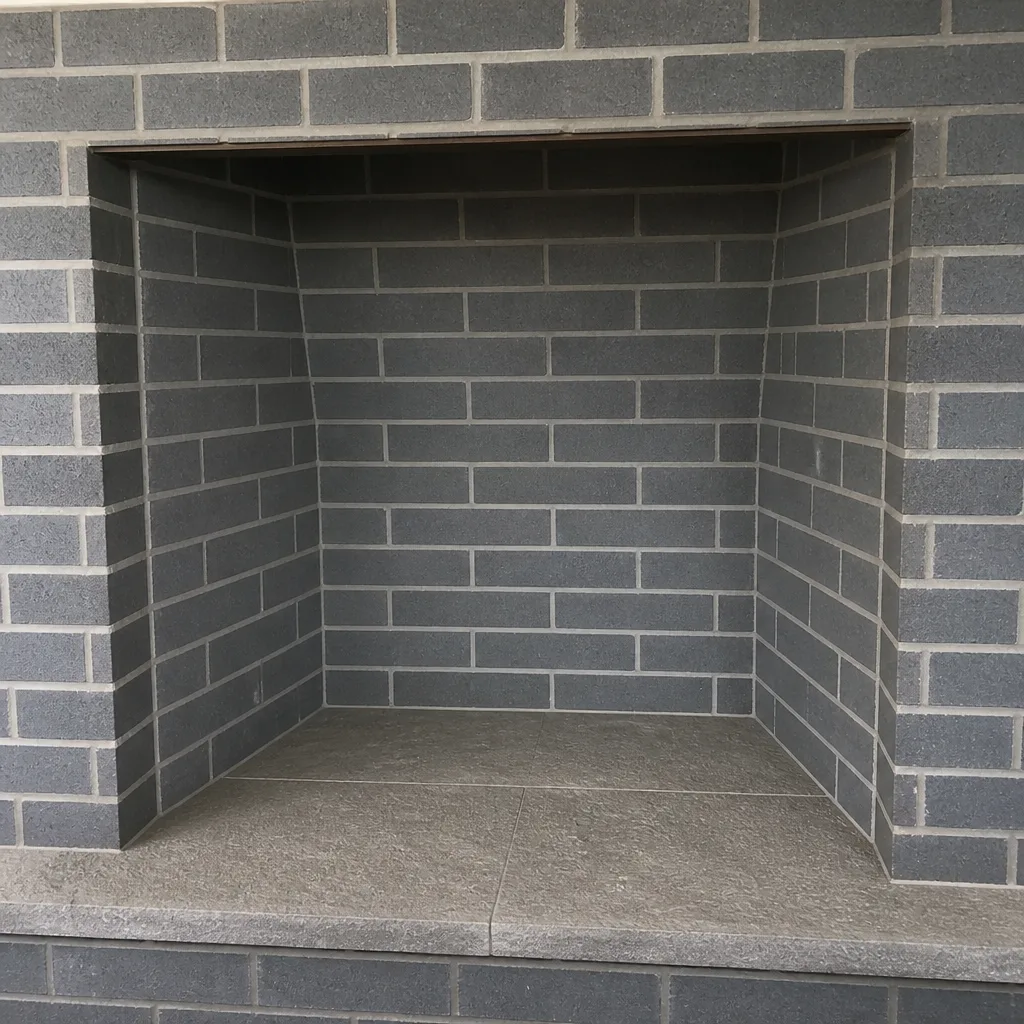 After
Frequently Asked Questions
You don’t know, and that’s the point: call 911 and let the fire department confirm the fire is out before you re-enter the house. A chimney fire can reignite or continue smoldering inside the flue even after the visible signs fade. The fire department is the only party who should declare it over. After they give the all-clear, the fireplace stays cold until a professional inspects the chimney. Call (833) 754-6815 to schedule the post-fire inspection – estimates are free.
Yes, because in an attached home the heat has fewer places to go. A small flue fire can crack liner tiles that vent into a party wall, and that’s a problem for two households, not one. Any fire event in a rowhouse chimney should be followed by a Level 2 inspection before the fireplace is used again. If you’re unsure whether what you had was a chimney fire, treat it as one. Call (833) 754-6815 for an exact quote on an inspection – estimates are free.
Yes – NFPA 211 calls for a Level 2 inspection when a chimney has been damaged or when a fire has occurred in it. A Level 2 inspection includes video camera inspection of the flue and a written report, which a basic visual check doesn’t provide. It’s what tells you whether the flue is safe to use or needs a liner. Don’t let anyone relight that fireplace until the inspection report says it’s safe. Call (833) 754-6815 for a free estimate.
Write down your last inspection date and findings, your liner type, your appliance make and model, and whether your chimney is shared with a neighbor. Keep those facts with your homeowner documents and also as photos on your phone. That’s the information a first responder needs to assess a rowhouse chimney, and the information an inspector needs to know what to look for. If you don’t have it, the first call after an emergency is to a chimney professional. Call (833) 754-6815 – estimates are free.
A blocked flue sends exhaust back into the house instead of outside. If the flue is blocked by debris, a damaged liner, or a bird’s nest under a missing cap, gas appliances venting into that chimney can produce dangerous CO levels inside the home. A CO alarm going off without an obvious cause is a chimney inspection trigger. Get out, call 911, and don’t use the appliance until the flue is checked. Call (833) 754-6815 for a free estimate on an inspection.
Tell them plainly: it’s a rowhouse, the chimney is shared or attached to the neighboring unit, and the neighbor needs to be alerted. Give them the chimney type – masonry with clay tile, or relined metal – and whether anyone has had liner work done. Those details tell responders how the fire is likely to travel and which house is exposed. If you’re unsure what type of liner you have, say so; “unknown” is more useful than a guess. Call (833) 754-6815 to have the liner documented before there’s ever a reason to need it. Estimates are free.
The Bottom Line
A chimney emergency in Port Richmond isn’t just your chimney – it’s the shared wall, the neighbor’s unit, and a fire that can move faster than in a detached home. The three things that buy you the most safety are recognition, a response sequence you can run without thinking, and a Level 2 inspection after any fire event before the fireplace is lit again. Prepare the documentation now, keep a CO alarm working on every level, and have the chimney swept and inspected before the season starts. If something feels wrong, the order is simple: close the damper if it’s safe, get out, call 911. We’re a full-service chimney specialist – from sweep to cap to liner to rebuild – and we can inspect, document, and repair what a fire leaves behind. Call (833) 754-6815 for a free estimate. We answer 24/7. Fast dispatch from 7am to 7pm, Sunday through Friday.
Written by the team at Chimney Sweep Port Richmond.