
Last updated November 22, 2026
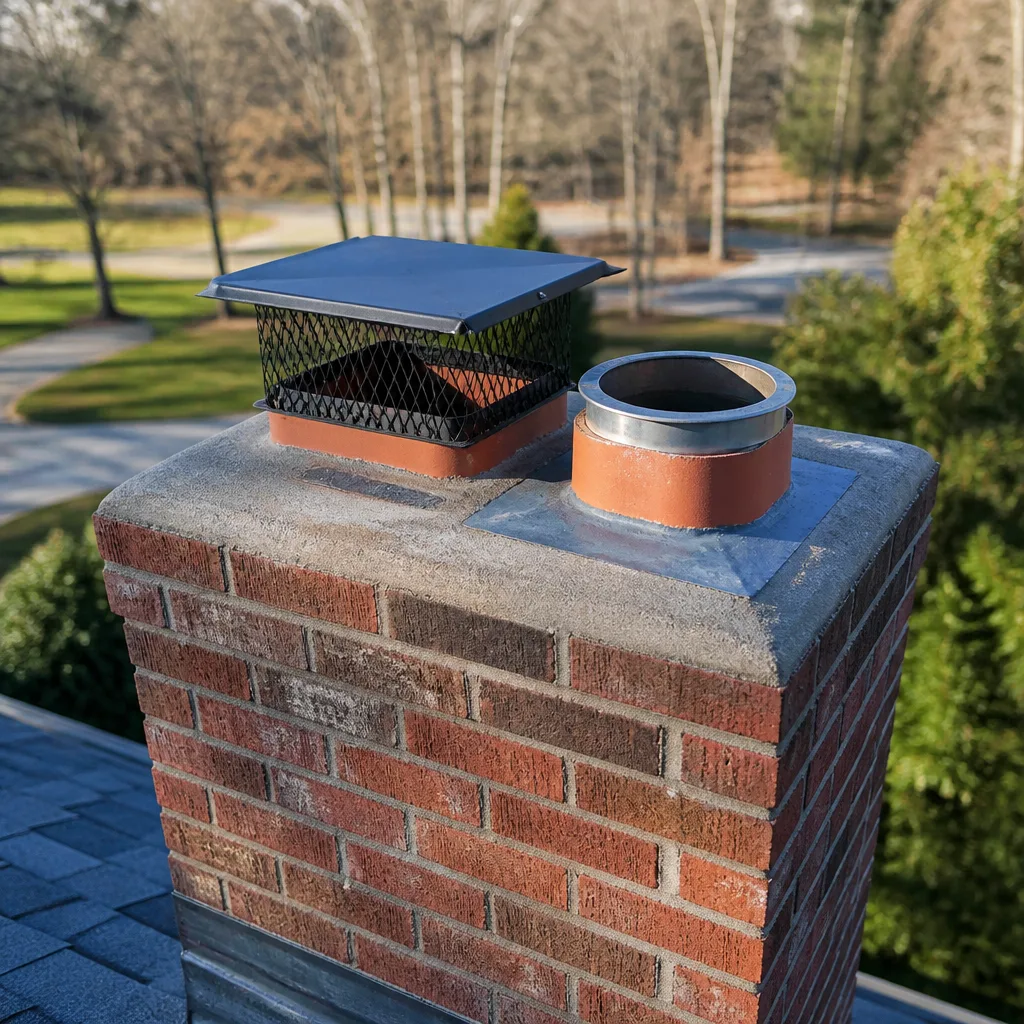 Sweep & inspection
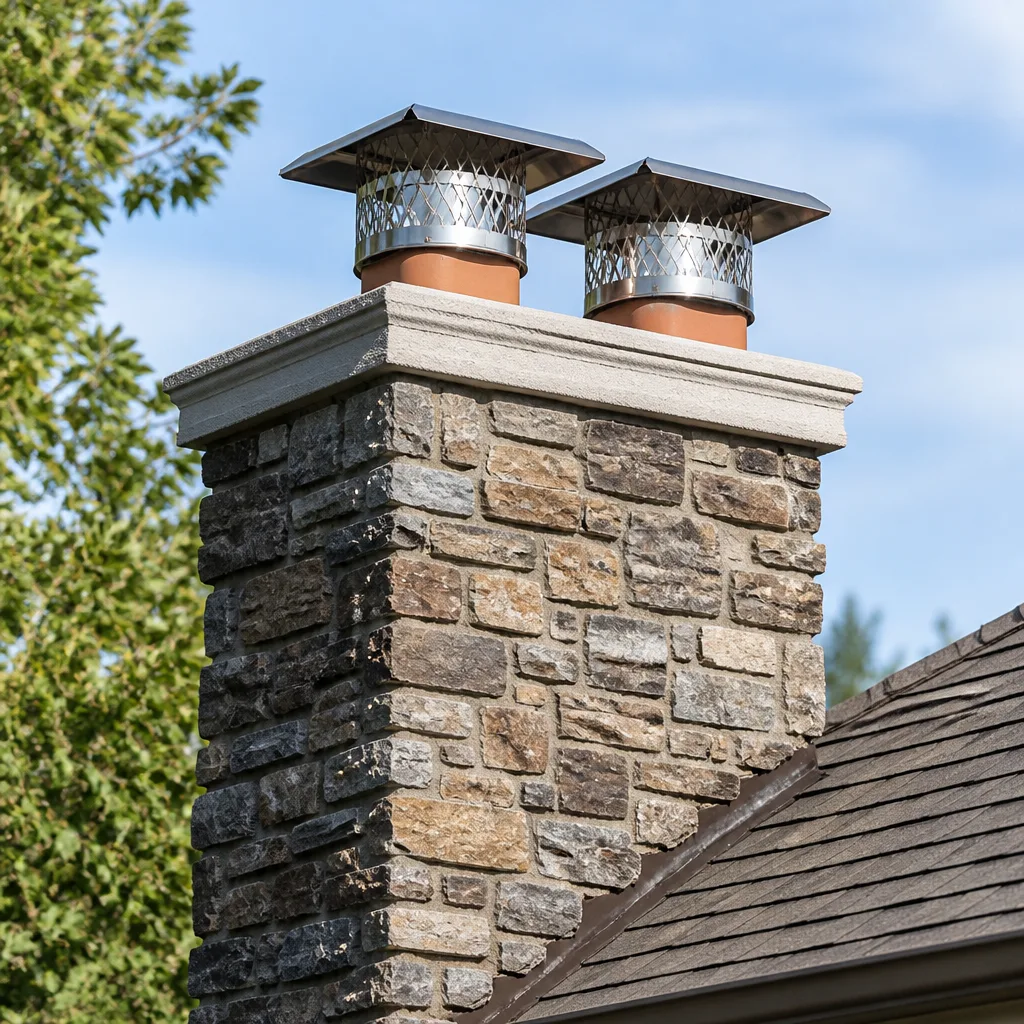 Caps & crowns
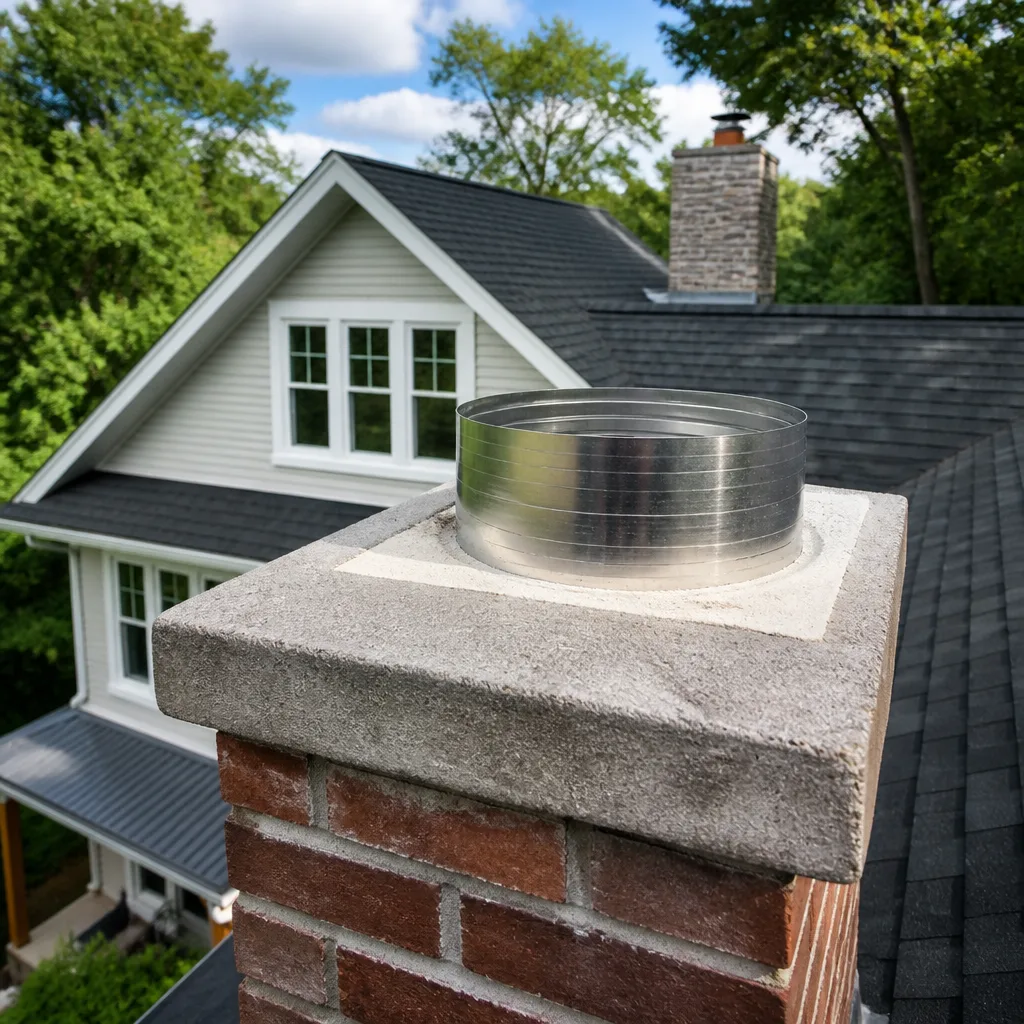 Flue relining
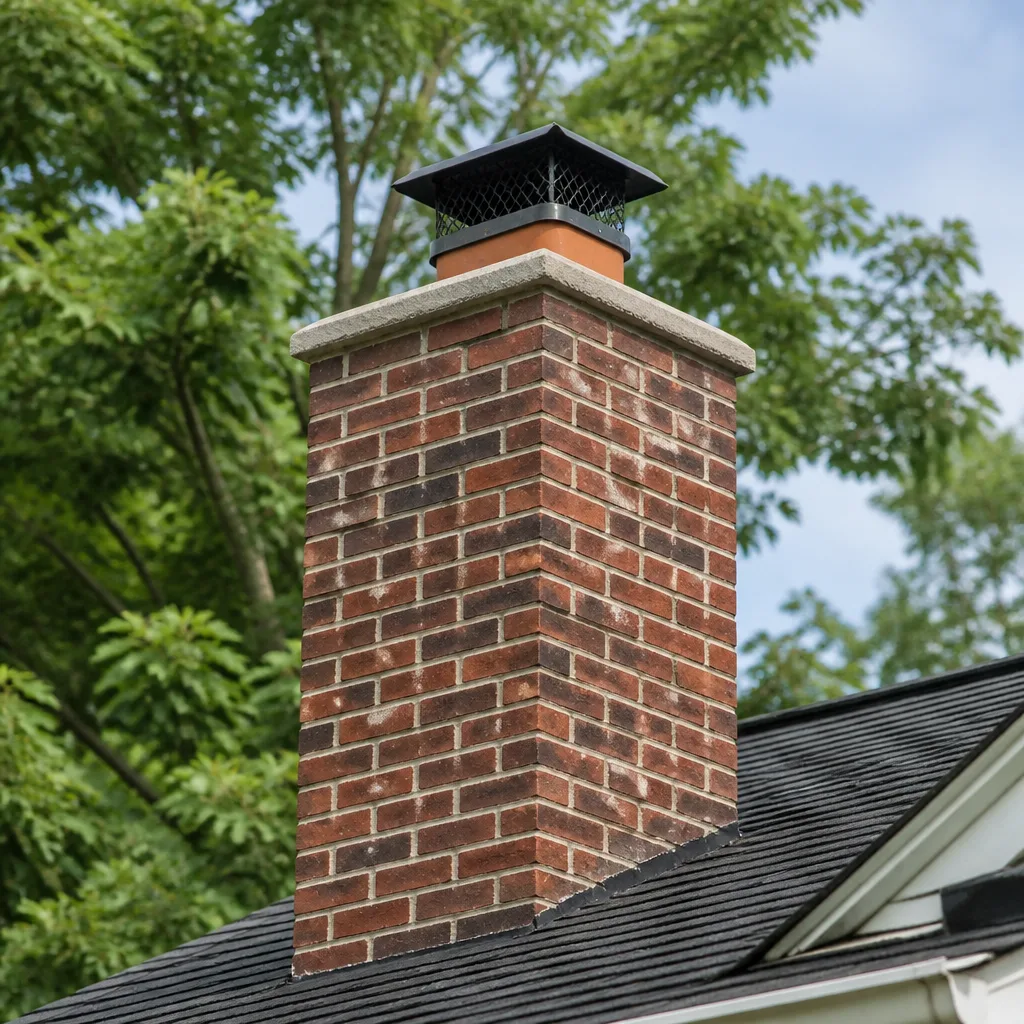 Masonry repair
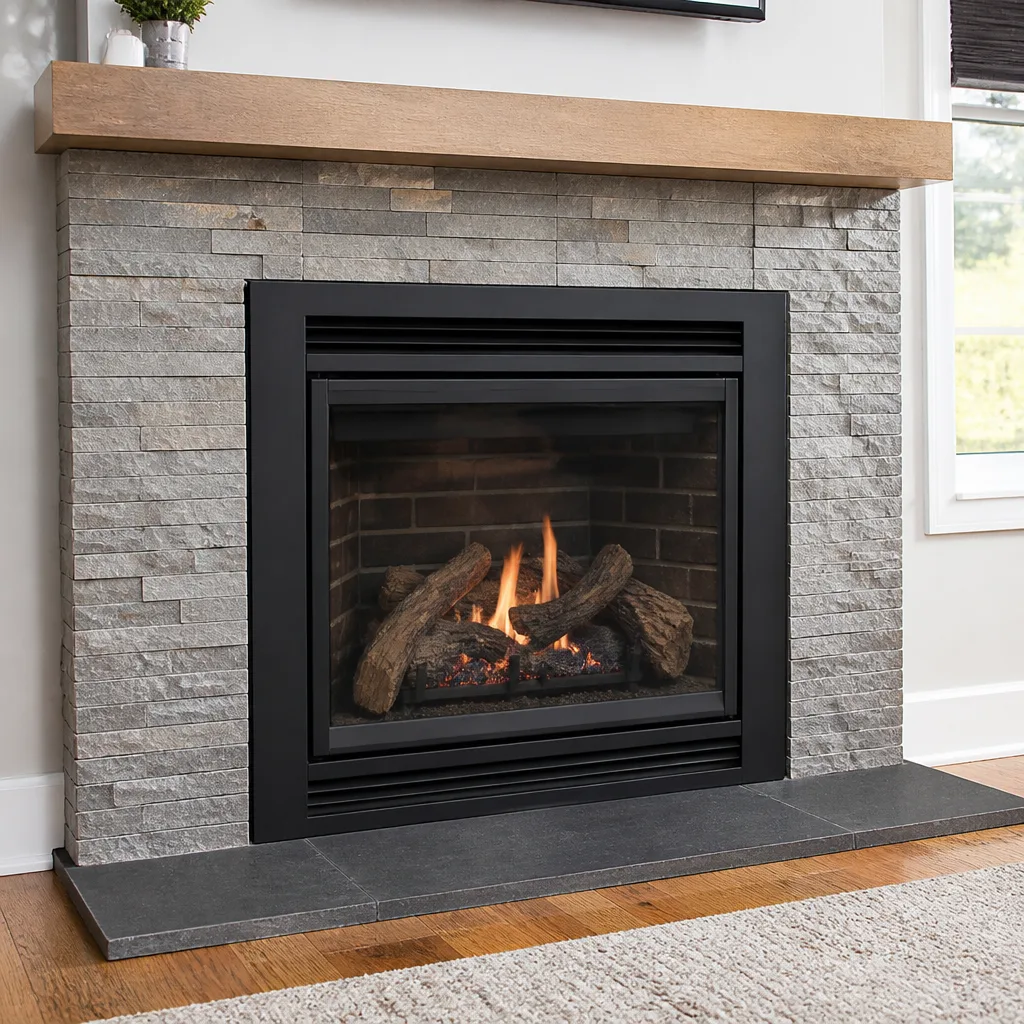 Gas fireplace service
Level 1 sweep and inspection to the NFPA 211 annual standard - flue, crown, cap, and flashing checked and photographed
Chimney sweep logs do not sweep chimneys. They loosen some creosote - which then falls where a brush and vacuum still have to collect it.
DIY vs Professional Chimney Cleaning: The Port Richmond Homeowner’s Decision Guide
Most chimney advice online starts and ends with a brush. Buy one, watch a video, spend an afternoon on the roof, and call it annual maintenance. That advice is not wrong so much as incomplete, and the gap between what a brush can do and what a chimney actually needs is where real problems hide. In Port Richmond, where a large share of the housing stock went up before the war, that gap tends to be wider than homeowners expect. This guide draws a clear line between the one job you can reasonably do yourself and the many jobs that need a trained eye, professional equipment, and a written record. You’ll learn what a DIY sweep actually accomplishes, what it can’t, what it costs in time and mess, and how to decide for your specific house.
Quick Answer
DIY chimney cleaning is a reasonable option in exactly one scenario: a straight flue in a newer, sound chimney with light Stage 1 creosote buildup, swept with the right brush and followed by a professional inspection. For everything else – heavier creosote, older or damaged tiles, gas appliances, a recently purchased home, or any visible defect – professional cleaning and inspection is the only safe choice. In Port Richmond’s older rowhouses, most chimneys fall outside the DIY window.
Styles & brands we work with
- Sweep & inspection
- Caps & crowns
- Flue relining
- Masonry repair
- Gas fireplace service
Table of Contents
- Why Port Richmond Chimneys Are Different
- The One Scenario Where DIY Sweeping Actually Works
- Five Conditions That Rule Out DIY Cleaning
- The Equipment Gap: What Pros Bring That You Can’t Rent
- The Real Cost of DIY: Time, Mess, and the Inspection You Still Owe Yourself
- Understanding Creosote Degrees and What They Mean for Your Flue
- Liability, Insurance, and the Paper Trail You Need
- A Step-by-Step Decision Framework for Your Port Richmond Home
Why Port Richmond Chimneys Are Different
Port Richmond’s residential core is dominated by rowhouses built in the first half of the twentieth century, and their chimneys reflect the construction practices of that era. Many were laid with original clay tile liners that have now seen decades of heating and cooling cycles. Clay is brittle. It cracks, chips, and spalls, especially at the joints where mortar erodes first. When a tile cracks, the flue gases have a path into the surrounding masonry, which is a serious problem no brush will reveal.
Offset flues are another common feature. Older rowhouse chimneys often jog to clear a neighboring wall or fit a narrow lot, which means the flue is not a straight vertical run. A homeowner on the roof sees a hole and a dark passage. What’s actually down there – a bend, a ledge, a collapsed tile, a nest – needs a camera to see. The offset also makes brushing harder and less effective from above.
Then there are the past repairs. A chimney that has been repointed, patched, or partially rebuilt by a previous owner may look fine from the roof but hide work that never met current standards. An uncertified parge coat in a smoke chamber, for instance, can crack and spall, and the owner has no idea until someone inspects closely. That’s the sort of thing a camera and a trained eye catch and a homeowner with a brush does not.
Climate plays a part too. Port Richmond sees hard freeze-thaw cycles through the winter, and moisture that gets into masonry expands when it freezes. A hairline crack in the crown or a cap that’s pulled loose lets water in, and one winter is enough to turn a small issue into a bigger repair. The full sweep-and-inspect routine catches those small issues before they become expensive ones. If you want the routine itself, our Chimney Sweep Port Richmond page walks through what a proper sweep involves.
The One Scenario Where DIY Sweeping Actually Works
We’ll give the honest version because it’s the foundation of everything else here. There is a narrow set of circumstances in which a homeowner with the right brush, the right vacuum, and a careful approach can do a legitimate annual sweep. All of the following need to be true:
- The chimney is on a newer home, roughly post-1980 construction, with a sound liner and a straight vertical flue.
- The appliance is a wood-burning fireplace or stove that has been burned with well-seasoned fuel and produced only light, flaky Stage 1 creosote.
- The homeowner has access to the roof safely – a low-pitch roof or a properly set ladder on solid footing – and is comfortable working at height.
- A professional inspection has been done recently and confirmed the flue is sound, the cap is intact, and the smoke chamber is properly parged.
- The homeowner accepts that a professional inspection is still needed afterward, because sweeping and inspecting are two different jobs.
If all five of those hold, a DIY sweep between professional inspections is defensible. It’s also the case where the savings are real. A basic homeowner brush kit and a shop vac run a fraction of the cost of a professional sweep, and the physical work of cleaning a straight, sound flue is within most homeowners’ ability.
What this scenario does not cover: anything a brush can’t see. It doesn’t check the tile, the smoke chamber, the damper, the crown, or the cap. It doesn’t measure creosote thickness reliably. It doesn’t produce a record you can show an insurer. That’s why the rule of thumb is “DIY sweep between professional inspections,” not “DIY sweep instead of professional inspections.” If you haven’t had a professional inspection in a while, that’s the first call to make.
Five Conditions That Rule Out DIY Cleaning
Any one of these disqualifies DIY sweeping. If you recognize your house in any of them, the brush stays in the garage and a professional handles the work.
1. Heavy Buildup or Stage 2/3 Creosote
Creosote comes in three degrees. Stage 1 is light, flaky, and brushes off easily. Stage 2 is denser, tar-like, and clings to the flue surface. Stage 3 is glazed and hard, essentially a fuel layer inside your chimney. Stage 2 and 3 buildup cannot be removed with a conventional brush and require rotary cleaning or chemical treatment. A homeowner who doesn’t know their creosote degree is, by default, in the “call a pro” category.
2. An Older Liner or Any Liner Uncertainty
If your Port Richmond home predates roughly 1980 and has the original clay tile liner, there’s a real chance it has cracks or spalling that only a camera will show. Sweeping a compromised liner can dislodge loose fragments and push them into the smoke chamber or onto the smoke shelf. You don’t want to be the one doing that from the roof. Have it inspected first.
3. A Gas Appliance on the Flue
Gas-fired appliances produce different byproducts than wood. The flue may need a different cleaning method, and a combustion analyzer is often the right tool to confirm the appliance is venting correctly. There’s also the carbon monoxide question, and no homeowner with a brush is in a position to answer it. Gas appliances belong with a professional.
4. A Recently Purchased Home
A new-to-you house has an unknown chimney history. You don’t know what the previous owners burned, what repairs were done, or whether the last inspection was legitimate. The first sweep in a recently purchased home should be professional and should include a full inspection, because the point isn’t just to clean the flue – it’s to establish a baseline you can trust going forward.
5. Any Visible Damage
If you can see missing mortar in the crown, a cracked flue tile from the roof, a damaged cap, or staining on the masonry, stop. Those are signals that the chimney needs assessment before it needs sweeping. A brush may make the situation worse. This is the category that most often catches Port Richmond homeowners by surprise, because the visible damage is usually the tip of what’s going on inside.
The Equipment Gap: What Pros Bring That You Can’t Rent
The tools a professional chimney sweep uses are not a fancier version of what you’d buy at a hardware store. Some of them have no consumer equivalent at all. Here’s the short list of what a real cleaning and inspection involves.
- Rotary cleaning systems. A spinning whip or chain head driven by a drill motor, sized to the flue. These remove Stage 2 and Stage 3 creosote that a brush can’t touch. Renting one of these without training on a fragile clay liner is a good way to crack it.
- Liner cameras. A camera on a reel that goes down the flue and gives a live picture of every joint and tile. This is how a cracked liner or a collapsed offset actually gets found. Consumer cameras don’t have the light or the reach.
- Combustion analyzers. Instruments that measure the gases coming off a gas appliance to confirm it’s venting correctly. These are diagnostic tools, not consumer items.
- Parging tools. The smoke chamber above the damper is often left rough by builders, and rough surfaces collect creosote and slow the draft. A proper parge coat smooths it and needs the right tools and technique. This is a repair, not a cleaning step, and it’s one most homeowners wouldn’t attempt.
- Containment and dust control. Professional sweeps use drop cloths, HEPA vacuums, and sealed work areas so the fine soot doesn’t end up on your furniture and in your HVAC. DIY sweeping in a Port Richmond rowhouse, where the fireplace often opens into the main living space, tends to leave a fine gray film on everything within 15 feet.
The professional-grade materials matter too, not just the tools. When a sweep finds a damaged cap or a failing crown, the repair should use purpose-engineered products. We work with brands like Gelco and Olympia Chimney for caps because a hardware-store cover is not the same thing as an engineered cap sized to your flue. When a liner needs restoring rather than replacing, HeatShield is the system we use because it can extend a chimney’s life without a full tear-out. Those are the kinds of choices a professional brings that a homeowner ordering off the internet cannot match.
The Real Cost of DIY: Time, Mess, and the Inspection You Still Owe Yourself
DIY looks cheaper on the surface. Add up what it actually takes, and the gap narrows fast. Here’s the honest ledger for a Port Richmond homeowner considering a DIY sweep.
Time
A careful DIY sweep of a straight flue takes most homeowners two to three hours once setup and cleanup are counted. That’s not counting the trip to rent or buy equipment, the ladder work, the roof access, and the second trip to the hardware store for the thing you forgot. A professional sweep is typically in and out in under an hour for a routine job.
Equipment
A basic brush kit runs modestly. A shop vac rated for fine soot runs more. A ladder tall enough to reach a Port Richmond rowhouse roof safely is the expensive item, and renting one adds up if you’re doing this annually. Renting a rotary tool or a camera is another line item, and the rental version usually comes with no instruction on how to use it safely on a fragile liner.
Mess Containment
Soot is fine enough to travel. Without HEPA filtration and drop cloths, a DIY sweep tends to deposit a film on nearby furniture, walls, and floors. Cleaning that up is another hour or two, and upholstery cleaning is not free.
The Inspection You Still Need
This is the line item most DIY plans miss. A sweep cleans. An inspection evaluates. They are different jobs with different tools, and a homeowner who sweeps their own chimney still needs a professional inspection to know whether the flue is sound. Add the cost of that inspection back in and the DIY savings shrink to the cost of the sweep itself. If you want the full picture on what a proper sweep includes, our chimney sweep page breaks it down line by line.
The Unpriced Risk
If the DIY sweep damages a fragile tile or misses a crack, the repair bill that follows is far larger than any sweep would have been. That’s not a scare tactic; it’s how clay behaves when it’s old and stressed.
Understanding Creosote Degrees and What They Mean for Your Flue
Creosote is the residue left behind when wood smoke cools on the way up the flue. It’s the main reason chimneys need sweeping, and it’s the thing most homeowners can’t assess from the roof. Knowing the three degrees is the fastest way to know whether you’re in DIY territory or not.
Stage 1: Light and Flaky
Stage 1 creosote is a thin, sooty, flaky deposit that brushes off with routine cleaning. It’s what you get from a well-run fire with dry, seasoned wood and good draft. A straight, sound flue with only Stage 1 buildup is the one scenario where a homeowner DIY sweep can be defensible.
Stage 2: Dense and Tar-Like
Stage 2 creosote is darker, denser, and clings to the flue wall like tar. It forms when the fire burns cooler or the draft is weak, so the smoke has time to condense. A brush alone will not remove it. Rotary cleaning or chemical treatment is needed, and that means a professional. Stage 2 is the most common condition we find in Port Richmond chimneys that haven’t been swept in a few seasons.
Stage 3: Glazed and Hard
Stage 3 creosote is a hard, shiny, glazed layer essentially baked onto the flue. It is highly combustible and represents a genuine chimney fire risk. It cannot be removed by brushing at all. It requires professional rotary cleaning and often a follow-up treatment, and the flue needs a full inspection afterward to make sure the heat hasn’t damaged the tile. This is not a stage any homeowner should be trying to address from the roof.
The takeaway: if you don’t know your creosote stage, you don’t know whether DIY is safe. An annual chimney repair inspection from a trained sweep will tell you, and it will catch the small cracks and pulled caps that turn into larger repairs.
Liability, Insurance, and the Paper Trail You Need
Here’s a part of the DIY vs professional conversation that rarely gets said out loud, and it matters. If your chimney is involved in a fire or a carbon monoxide incident, your homeowner’s insurance company will ask a simple question: when was the chimney last professionally inspected and swept, and do you have documentation?
A DIY sweep produces no record. There’s no invoice, no inspection report, no photographs of the flue before and after. A professional sweep produces all three. If something goes wrong after a self-performed cleaning, the insurer’s position may be that the maintenance was not documented and the loss could be attributed to neglected maintenance. That’s not a guarantee of denial, and every policy and every claim is different. But it’s a real risk, and it’s one a homeowner can eliminate by keeping the paperwork.
There’s also the damage question. If a DIY sweep cracks a tile or dislodges a fragment that ends up in the smoke chamber, the resulting repair is on you. If a professional sweep damages something, that’s a different conversation. The written estimate and the job record protect both sides.
The documentation also helps when you sell. A buyer’s inspector is going to look at the chimney, and a clean record of recent professional maintenance is a point in your favor. If you want to see what that documentation looks like in practice, our chimney cap & crown page shows the kind of report we produce when a cap or crown needs attention.
A Step-by-Step Decision Framework for Your Port Richmond Home
Here’s a simple framework to run through before you decide whether to pull out the brush. It takes about ten minutes and it saves either a wasted afternoon or a costly repair.
- Check the age and construction of your chimney. If your Port Richmond home is pre-1980 with an original clay tile liner or an offset flue, that’s a flag for professional inspection before anything else.
- Look at the firebox and flue from below. Shine a strong light up the flue with the damper open. If you can see heavy, tar-like deposits or a glazed shine, stop now. That’s Stage 2 or 3, and it needs professional rotary cleaning.
- Check the roof-level condition. From a safe vantage (ground, ladder, or window), look at the cap and crown. Missing mortar, a loose cap, or staining on the masonry are reasons to call before sweeping.
- Confirm your appliance type. Wood-burning fireplace is the only case where DIY can even be considered. Gas, oil, or a wood stove with a complex flue system is a professional call.
- Check your inspection history. If you haven’t had a professional inspection in the last year or two, that inspection comes first. A sweep without an inspection is a cleaning, not a maintenance routine.
- Decide. If steps 1 through 5 all come back clean, a DIY sweep between professional inspections is defensible. Anything else, book a professional.
If you’re not sure where your chimney falls, that’s the answer: it’s a professional call. The cost of a sweep and inspection is far less than the cost of a repair that starts with a damaged liner. Our technicians have up to 12 years of experience, and they’ve seen every configuration a Port Richmond rowhouse can produce.
Common Mistakes to Avoid
- Sweeping before inspecting. A brush can push debris into a cracked tile and turn a small problem into a liner replacement. In Port Richmond’s older stock, inspect first, sweep second, always.
- Using a brush sized “close enough.” A brush that’s too big for the flue can crack tile. Too small and it doesn’t clean. The correct brush is specific to your flue dimensions, which is why guessing is expensive.
- Skipping the cap check. A loose or missing cap is the way water gets into a Port Richmond chimney, and water is what causes most of the masonry damage we see. Check it every year, not just when it rains.
- Assuming a shop vac is enough for fine soot. Standard shop vacs exhaust fine particles back into the room. A HEPA-rated vacuum is a different tool, and the difference is your living room furniture.
- Treating “no visible smoke” as proof the chimney is clean. A chimney can be choked with clear-burning creosote and still show almost no outward sign. Creosote looks clean from below until it doesn’t.
- Trusting an unverified “certification” or a cheap sweep with no report. A sweep that comes with no camera inspection, no photos, and no written findings is a cleaning, not a maintenance routine. Ask what you’ll get in writing.
- Ignoring the smoke chamber. The space above the damper is where rough construction collects creosote, and it’s where a proper parge coat saves you trouble. A brush never reaches it.
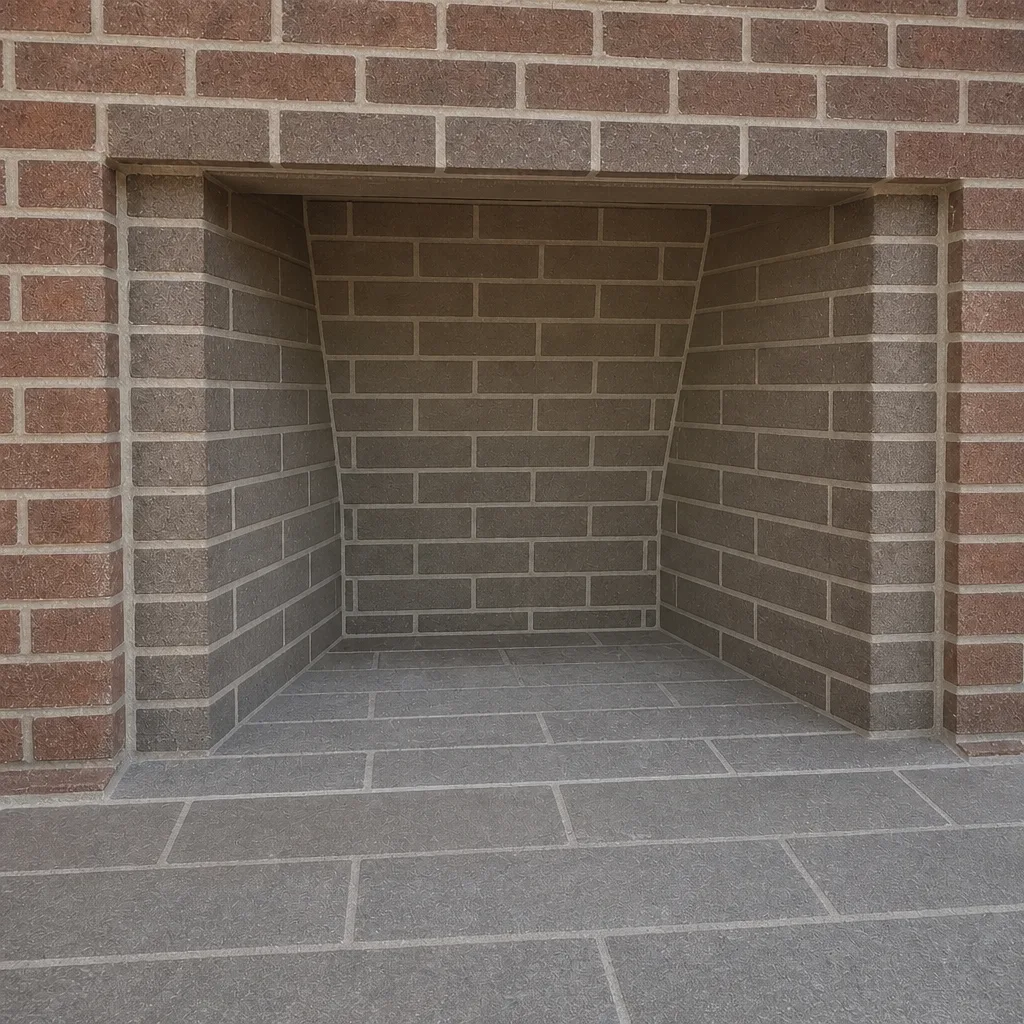
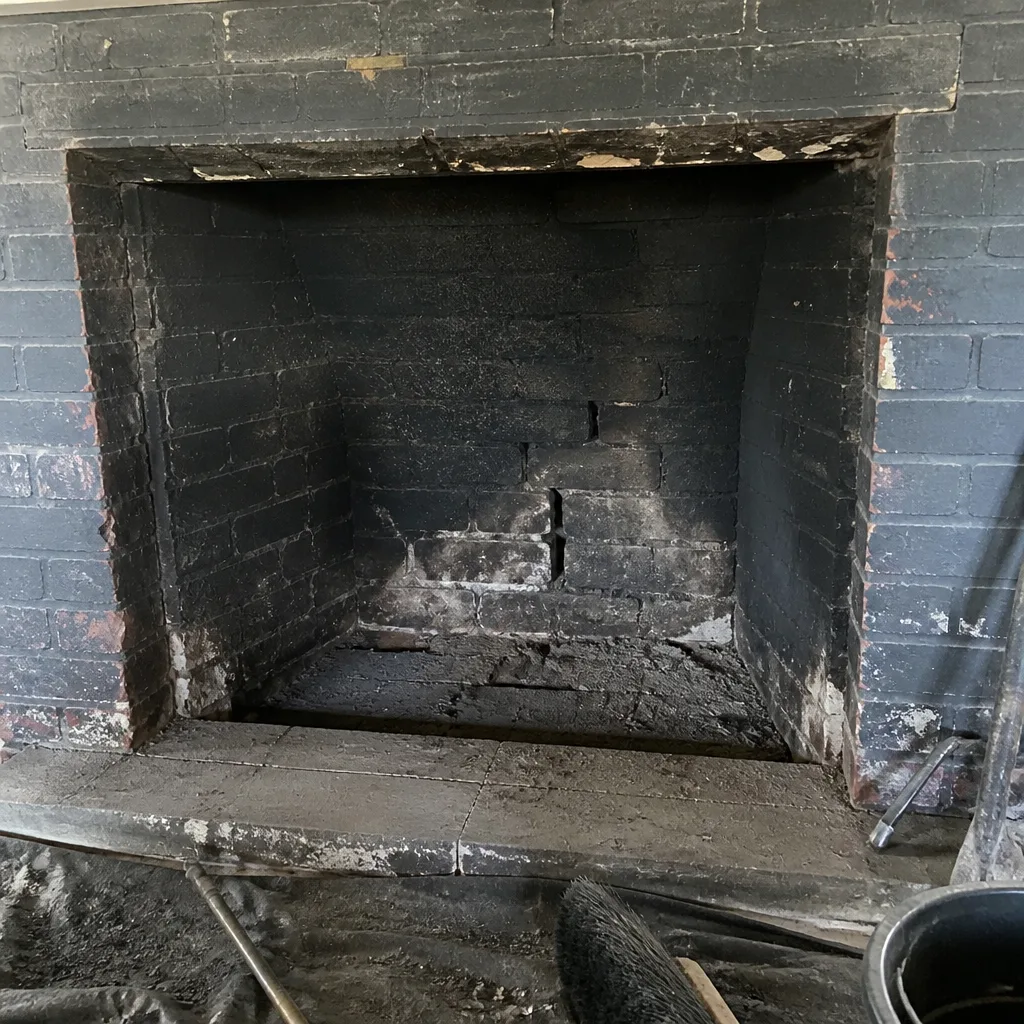
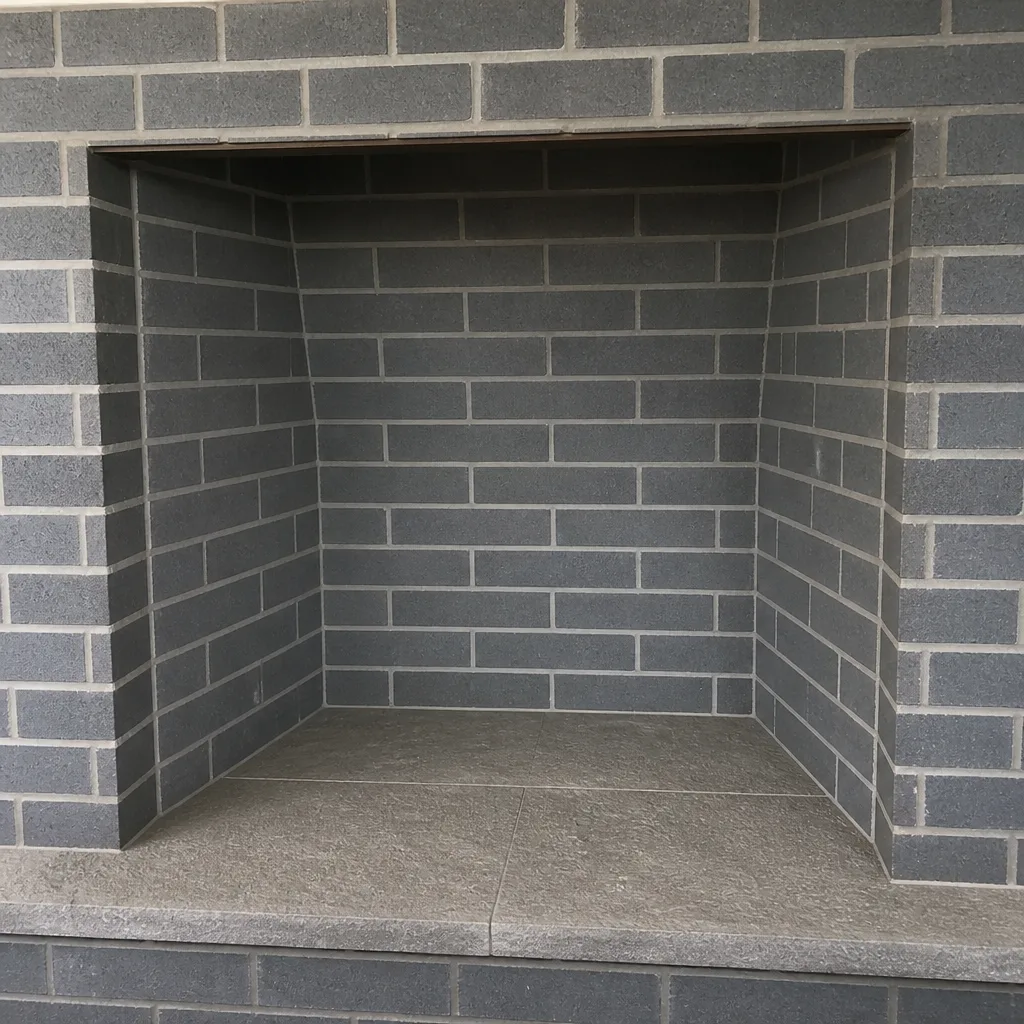
See the difference
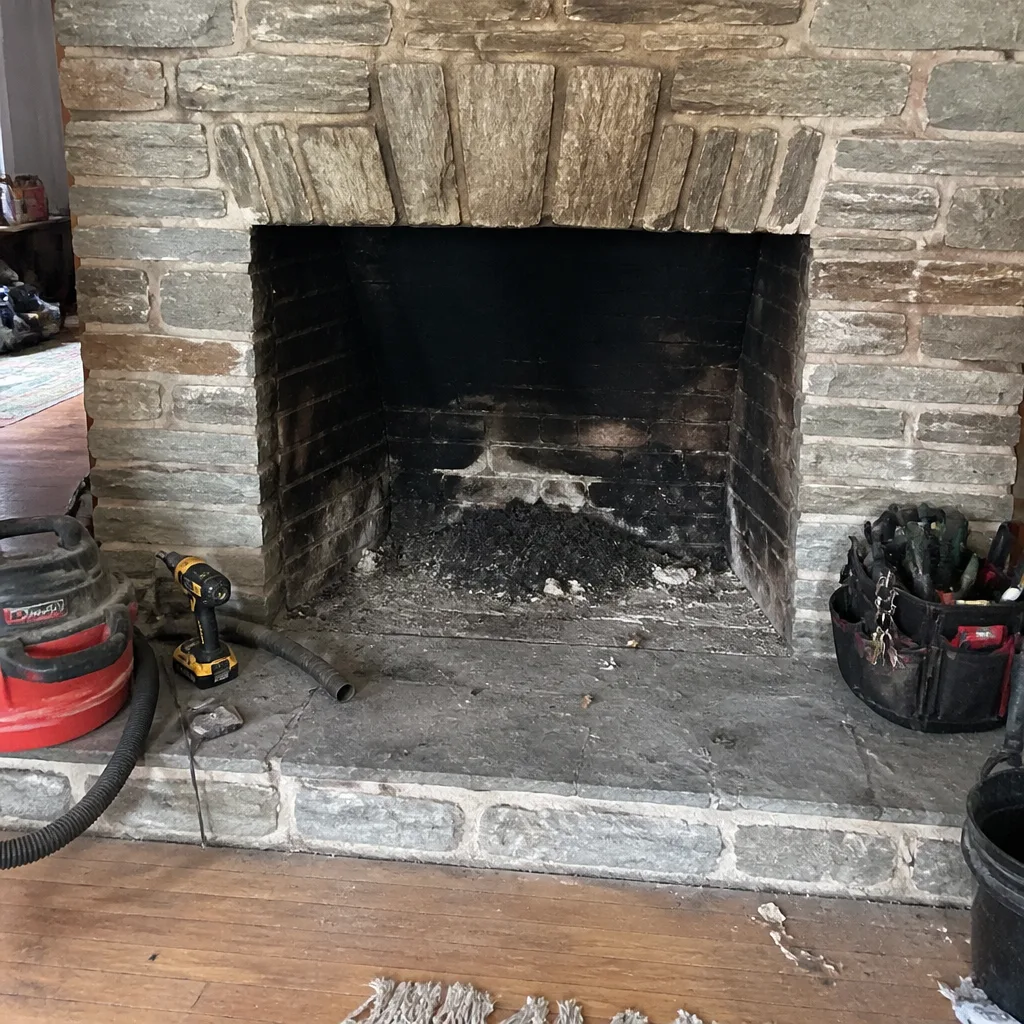 Before
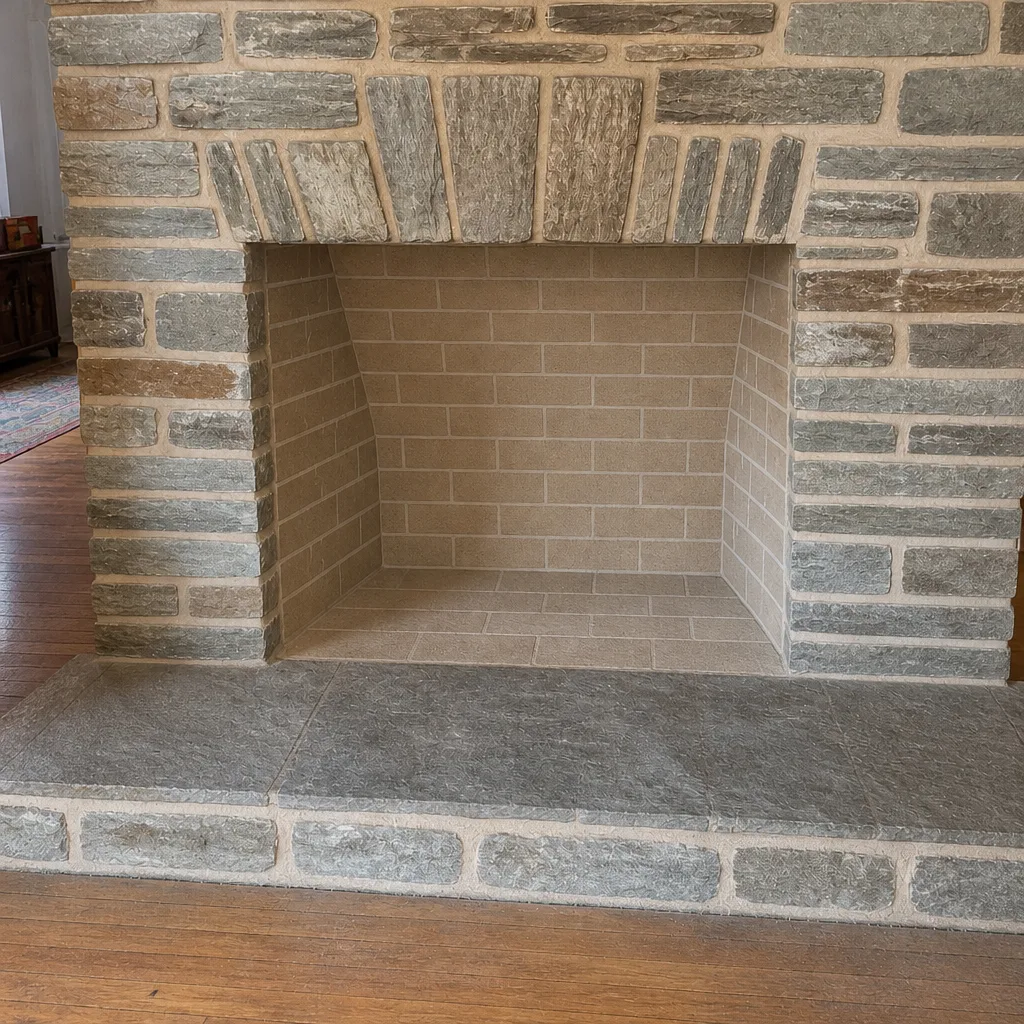 After
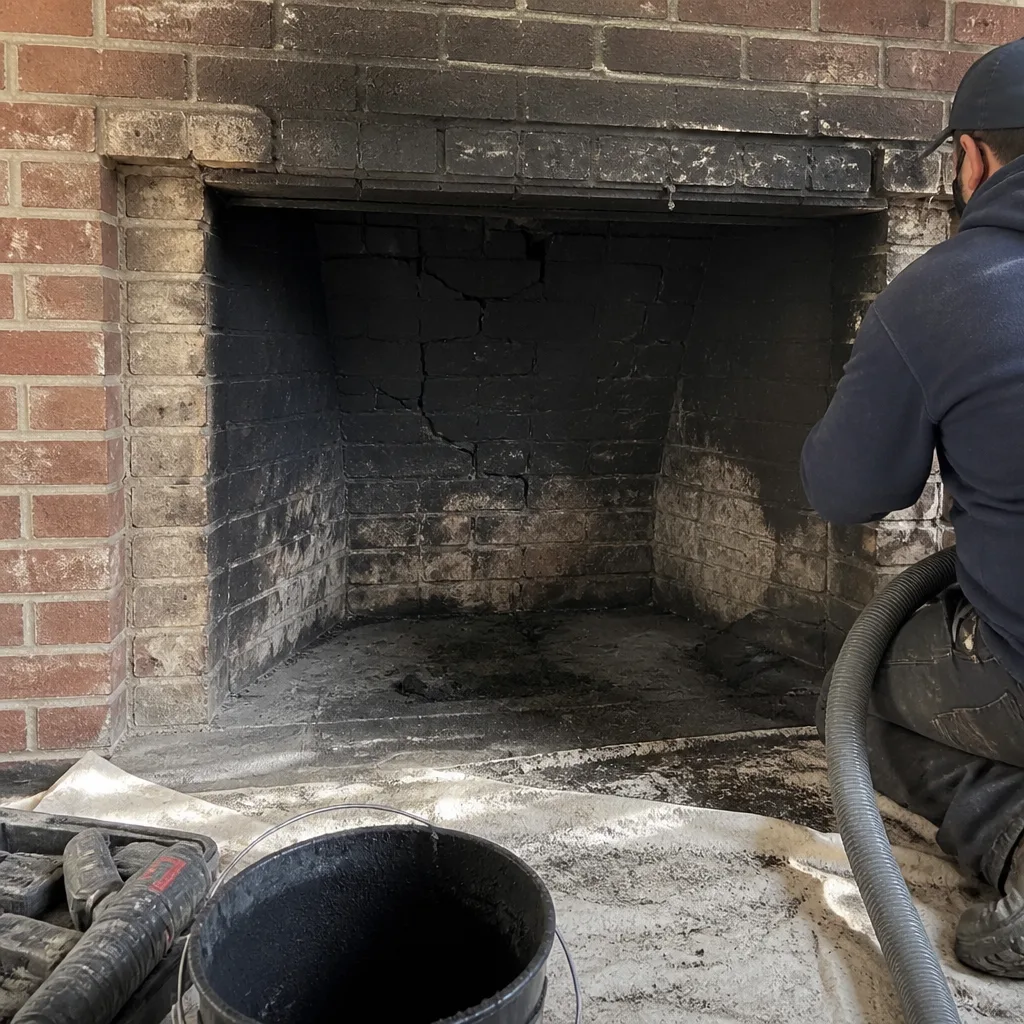 Before
 After
 Before
 After
When to Call a Professional
Call a professional chimney sweep in Port Richmond when any of the following applies: your home was built before roughly 1980 and the liner hasn’t been inspected in a year; you see heavy or glazed creosote; the chimney is on a gas appliance; you’ve recently bought the house; you see missing mortar, a damaged cap, or staining on the masonry; or you’re simply not sure. Those are all signs that a professional inspection needs to come before any cleaning. Chimney Sweep Port Richmond offers free estimates in Port Richmond – call (833) 754-6815. Our flats and materials come from professional-grade brands like DuraFlex, HeatShield, Gelco, Olympia Chimney, Famco, and Copperfield, and every job is priced per job by the written estimate, so you know the number before we start.
Frequently Asked Questions
A routine chimney sweep in Port Richmond is priced per job, and the written estimate you receive sets the final price. The estimate is free, so there’s no risk in having the chimney looked at before you decide what work to book. Call (833) 754-6815 for an exact quote – estimates are free.
Often not, and that’s the answer most chimney companies won’t give. A cracked or spalled clay liner can frequently be restored with a HeatShield system rather than torn out and rebuilt, which saves significant cost and disruption. The only way to know which you need is a camera inspection, and you should see the footage yourself. Nothing gets recommended without camera evidence you can inspect. Call (833) 754-6815 for an exact quote – estimates are free.
Once a year for a home with regular fireplace use, and more often if you burn a lot of wood or notice heavy buildup. The annual sweep and inspection is also the check that catches small crown and cap issues before Port Richmond’s freeze-thaw cycles turn them into larger repairs. Call (833) 754-6815 for an exact quote – estimates are free.
Only if you have a straight, sound flue in a newer home with light Stage 1 creosote, and only if a professional inspection has confirmed the flue is intact. In an older Port Richmond rowhouse with an original clay tile liner or an offset flue, DIY sweeping is not a safe substitute for a professional sweep and inspection. Call (833) 754-6815 for an exact quote – estimates are free.
Creosote builds up season after season, and at Stage 2 and Stage 3 it becomes a real chimney fire risk. At the same time, small cracks in the crown and failing caps let water into the masonry, and freeze-thaw cycles widen those cracks into repairs. Skipping maintenance doesn’t usually produce a sudden failure; it produces a slow decline that gets expensive. Call (833) 754-6815 for an exact quote – estimates are free.
Rotary cleaning systems for heavy creosote, liner cameras for inspecting the flue, combustion analyzers for gas appliances, and parging tools for the smoke chamber. None of these have a consumer equivalent. The professional also brings containment and HEPA vacuuming so the job doesn’t leave soot across your living room. Call (833) 754-6815 for an exact quote – estimates are free.
The Bottom Line
DIY chimney cleaning in Port Richmond is a defensible option for one narrow scenario: a straight, sound flue in a newer home with light Stage 1 creosote, already confirmed by a professional inspection, and still followed by another professional inspection afterward. For everything else – heavy buildup, an older liner, an offset flue, a gas appliance, a recent purchase, or any visible damage – the brush stays in the garage and a trained sweep handles it. The sweep also produces the written record your insurer and your future buyer will want, and it catches the crown, cap, and smoke chamber issues that a brush can never see. If you’re not sure which category your chimney falls in, that’s your answer: call us.
Chimney Sweep Port Richmond covers the full chimney system, from the firebox to the crown, and one company handles the sweep, the repair, and the rebuild. Call (833) 754-6815. We answer 24/7. Fast dispatch from 7am to 7pm, Sunday through Friday, and we’re closed on Saturday. Estimates are free and the written estimate sets the final price.
Written by the team at Chimney Sweep Port Richmond.