
Last updated November 22, 2026
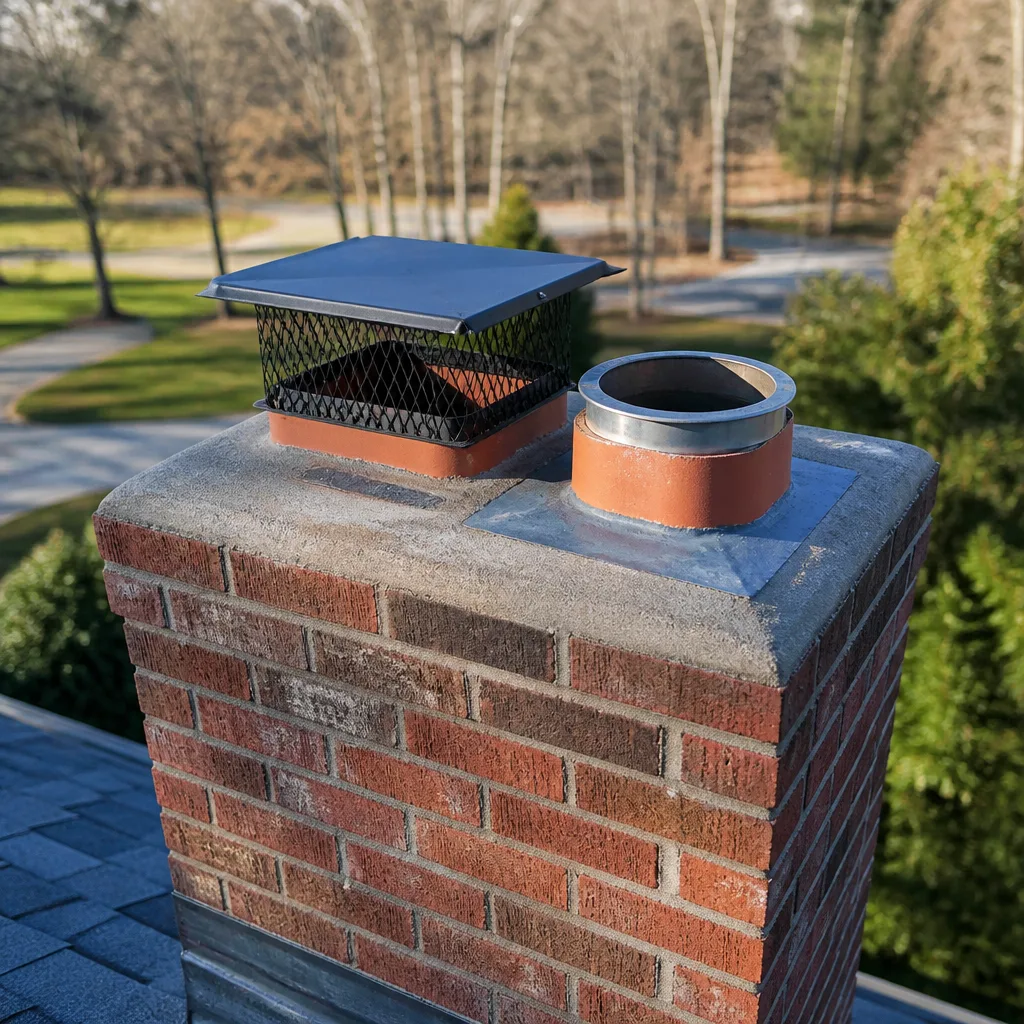 Sweep & inspection
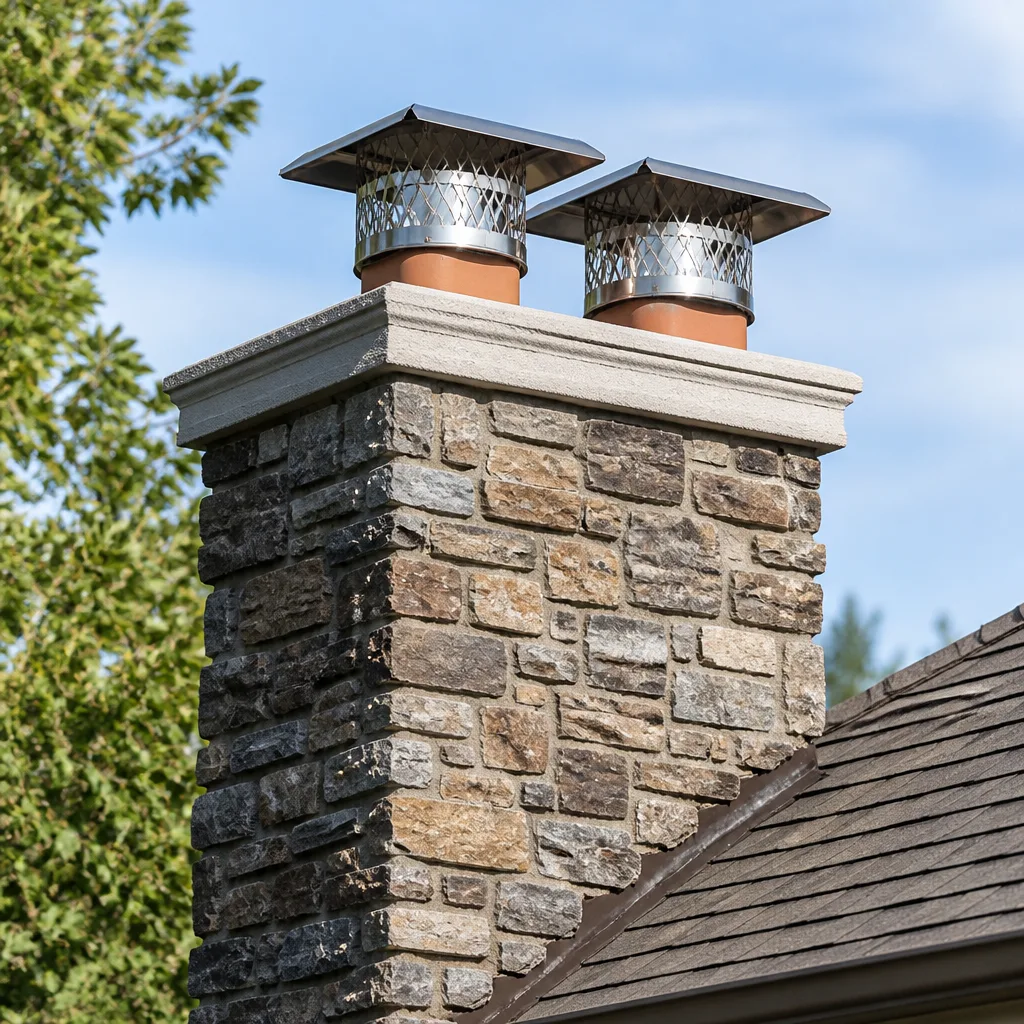 Caps & crowns
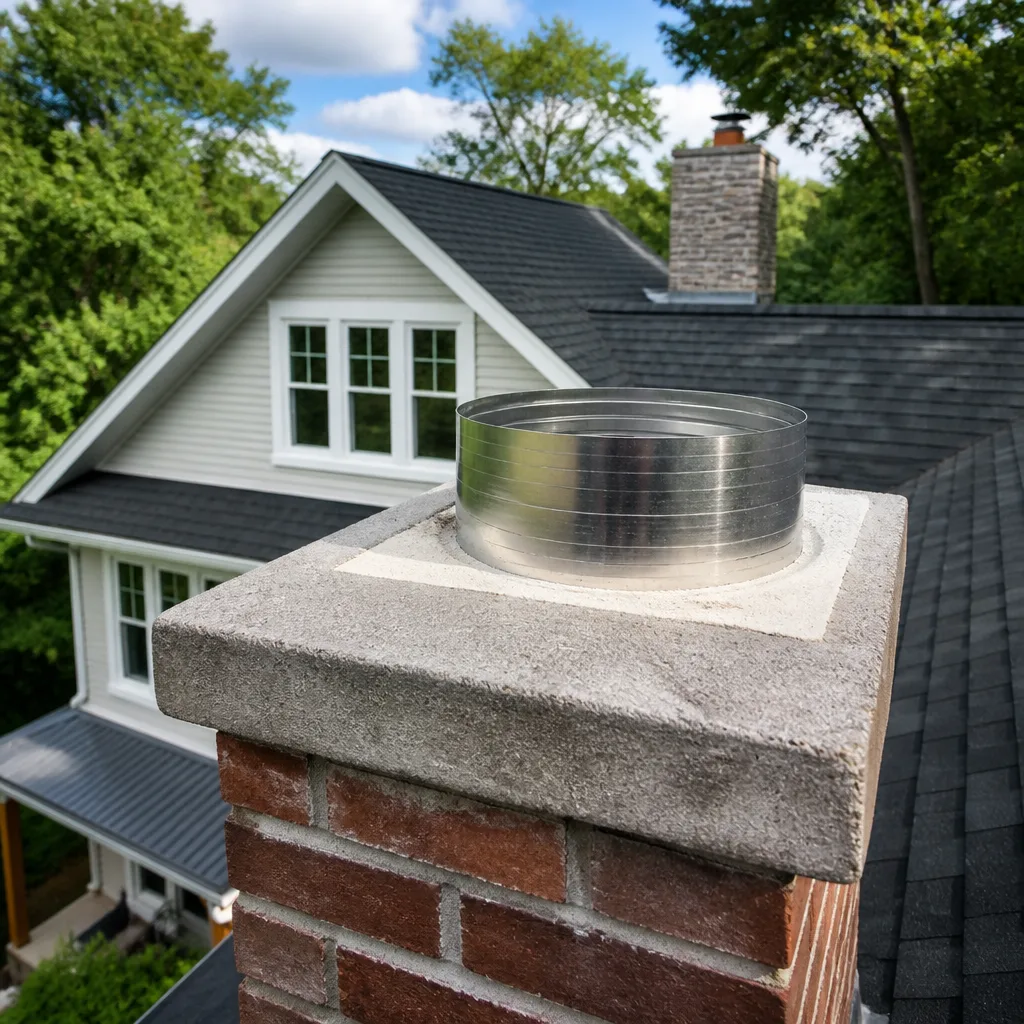 Flue relining
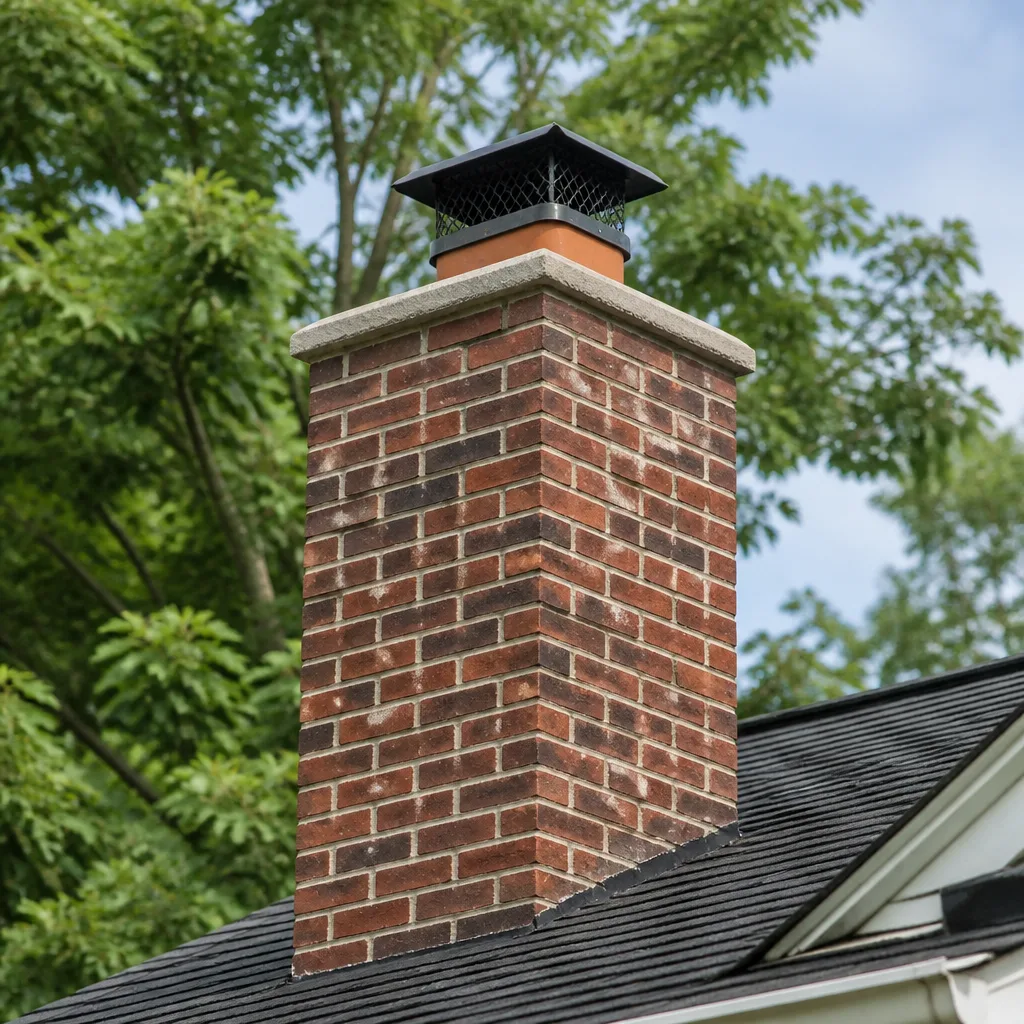 Masonry repair
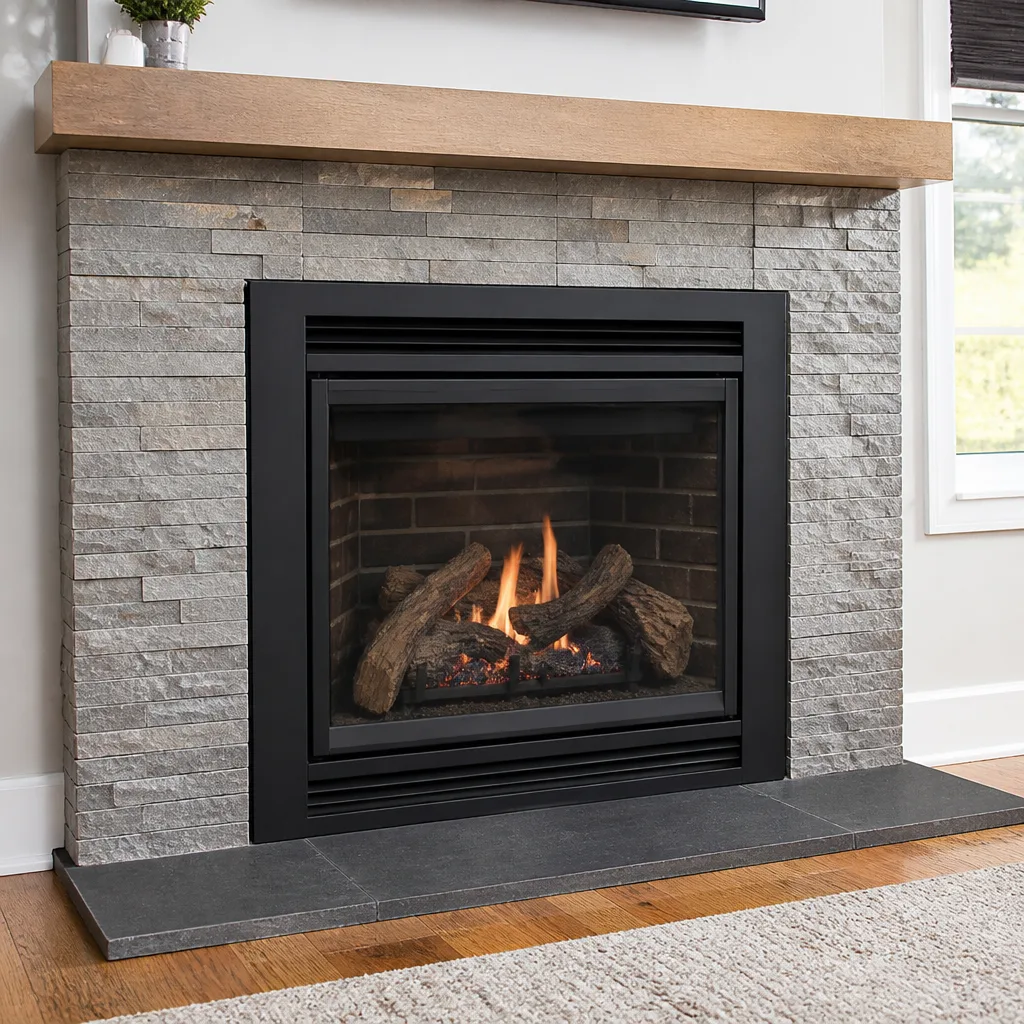 Gas fireplace service
Level 1 sweep and inspection to the NFPA 211 annual standard - flue, crown, cap, and flashing checked and photographed
Chimney sweep logs do not sweep chimneys. They loosen some creosote - which then falls where a brush and vacuum still have to collect it.
Chimney Cleaning Permits, Codes & Inspections in Port Richmond, PA: What You Need to Know
A chimney sweep is the one home-service visit that almost never needs a permit in Pennsylvania. That’s the part most homeowners get right. The problem comes after the sweep, when a technician says the liner is shot or the crown is crumbling and the job turns into construction. A liner replacement done without a permit isn’t just a paperwork miss. It can void the manufacturer warranty on the liner itself and create an uninsurable condition if a fire ever starts in that flue. This guide draws the line precisely: which chimney tasks in Port Richmond are exempt, which trigger a City of Philadelphia permit, what NFPA 211 actually requires, and how to walk away with inspection paperwork your insurer and a future buyer will both accept.
Quick Answer
In Port Richmond and across Pennsylvania, routine chimney cleaning and inspection do not require a permit. A permit from Philadelphia’s Department of Licenses and Inspections is typically triggered when the work changes the chimney system itself: installing or replacing a flue liner, rebuilding a crown or the chimney structure, or adding a stove insert or new appliance. Any of those jobs should also be followed by a Level 2 inspection under NFPA 211, which is the standard that governs liner sizing, clearances, and inspection levels.
Styles & brands we work with
- Sweep & inspection
- Caps & crowns
- Flue relining
- Masonry repair
- Gas fireplace service
Table of Contents
- Where the Permit Line Falls in Pennsylvania
- NFPA 211: The Standard That Governs Your Chimney
- How Port Richmond’s Older Housing Stock Changes Compliance
- What a Level 2 Inspection Covers, and When It’s Required
- Getting Inspection Paperwork Your Insurer Will Accept
- Stove Inserts, Appliance Swaps, and the Permit Question
- Liner Work: The Job Most Likely to Need a Permit
- How to Request the Right Documentation Before Work Starts
Where the Permit Line Falls in Pennsylvania
The Pennsylvania Uniform Construction Code sets the statewide baseline, and Philadelphia enforces it through its own Department of Licenses and Inspections. For chimney work, the practical question is simple: are we cleaning and inspecting what’s there, or are we changing it? Cleaning and inspection are maintenance. Altering the system is construction, and construction is where permits live.
Here’s how the split usually breaks down when we look at a Port Richmond chimney:
- Permit-exempt in most cases: sweeping the flue, a Level 1 or Level 2 inspection, replacing a chimney cap, minor mortar pointing on a crown.
- Typically permitted: installing a new flue liner or relining an existing flue, rebuilding a crown or the chimney above the roofline, adding a wood stove or insert with a new flue connection, converting a fireplace to a different fuel.
- Gray area: a HeatShield liner restoration, which resurfaced the inside of an existing flue rather than installing a new liner. Whether that needs a permit depends on how the job is described and what your local inspector expects, so it’s worth a phone call to L&I before the work is scheduled.
We always recommend confirming with the city before the job, not after. A permit pulled up front costs less than a failed inspection at resale. That’s the kind of full-system thinking we bring to every Chimney Sweep Port Richmond visit: we’d rather tell you what the code requires now than have you discover it during a title search later in Port Richmond.
NFPA 211: The Standard That Governs Your Chimney
NFPA 211 is the National Fire Protection Association’s standard for chimneys, fireplaces, vents, and solid fuel-burning appliances. It’s the document inspectors, insurers, and manufacturers lean on when they ask whether a chimney is right. In practice, it covers three things that matter most to a homeowner: liner sizing, clearance to combustibles, and the three levels of inspection.
Liner sizing
A flue liner has to be sized to the appliance it serves. Too large and the flue runs cool, which builds creosote faster. Too small and the chimney can’t vent properly, which pushes smoke and carbon monoxide back into the room. When we install a liner, we size it to the appliance, not to whatever fits easily through the flue.
Clearances
NFPA 211 sets the minimum distance between the chimney and combustible materials like framing and sheathing. Chimneys built before modern clearances were standardized often don’t meet them. That’s not automatically a failure, but it does need to be documented and, if necessary, corrected.
Inspection levels
- Level 1: a visual check of accessible parts of the chimney and flue during a routine sweep.
- Level 2: a more thorough inspection including accessible portions of the attic, crawlspace, and chimney exterior, typically with a camera. Required at property sale, after any change to the appliance, or after an event like a chimney fire or earthquake.
- Level 3: includes access to concealed areas when a hazard is suspected.
We use professional-grade parts from brands like HeatShield and Olympia Chimney because NFPA 211 compliance only holds if the components themselves are rated for the job. A liner is not a commodity.
How Port Richmond’s Older Housing Stock Changes Compliance
Port Richmond is a working neighborhood with a lot of homes built before 1950. That single fact drives most of the code questions we field here. Older chimneys were often built with clay tile liners that have since cracked, unlined brick flues, or masonry that’s settled in ways that don’t match the clearances NFPA 211 calls for.
The Pennsylvania Uniform Construction Code allows existing structures to remain if they were legal when built, but any alteration or repair has to bring the affected portion up to current code. In plain terms: your 1920s chimney doesn’t have to be perfect, but the moment you change the liner or rebuild a crown, the new work needs to meet today’s standard.
Some patterns we see often in Port Richmond:
- Unlined brick flues from early 20th-century construction that have never had a proper liner.
- Clay tile liners with hairline cracks that show up on camera but not from the roof.
- Crowns that have cracked from freeze-thaw cycles, letting water into the masonry during winter.
- Original fireplaces later converted to gas, which changes the venting requirement.
None of these are automatically a crisis. They are things to know before you hire someone. Our chimney repair work in Port Richmond often starts with a camera pass to see what the brick actually looks like inside, because the roof view only tells part of the story.
What a Level 2 Inspection Covers, and When It’s Required
A Level 2 inspection is a documented, camera-assisted inspection of the entire chimney system, and it is legally the standard when you sell a property, change the appliance connected to the chimney, or after a chimney fire. Here’s what a compliant Level 2 inspection actually contains, so you can check the report you receive against this list:
- Visual inspection of the accessible interior and exterior of the chimney, including the firebox, damper, smoke chamber, and flue.
- Camera inspection of the flue to identify cracks, gaps, spalling, and offset tiles.
- Accessible portions of the attic and crawlspace along the chimney run for clearance and condition.
- Connection of the appliance to the flue, including the connector pipe and thimble.
- Documentation: written findings, photos or video of anything flagged, and an opinion on condition.
If your technician hands you a one-page summary with a box checked “needs liner,” that’s not a Level 2 inspection. It’s an upsell. A proper Level 2 gives you a record you can keep, and it’s the same record a buyer’s inspector and your homeowner’s carrier will expect to see.
Every chimney sweep we perform in Port Richmond is followed by a report on what we found, and when a Level 2 is called for we photograph and print exactly what the camera showed. Nothing gets recommended on a hunch.
Getting Inspection Paperwork Your Insurer Will Accept
Insurance carriers vary, but most ask for the same three things when a chimney claim or a policy review is involved: who did the inspection, what level it was, and what the inspection found. Missing any of the three pushes the claim into review-and-deny territory. If you’ve ever had a claim stalled because the proof was unclear, this is why.
When you request paperwork, ask for a document that includes:
- The inspection level performed, stated on the report in plain text.
- The date and the address inspected.
- Findings and photos or video of any component flagged (liner, crown, cap, firebox, damper).
- An opinion on condition, with specific references to NFPA 211 where relevant.
- A statement of what was not inspected and why (concealed areas, inaccessible flues).
If you’re selling in Port Richmond, a Level 2 inspection report dated within the last twelve months usually satisfies a buyer’s request for documentation. If a fire has occurred since a prior inspection, the report is no longer current and needs to be redone. Keep the original; scans are fine for most insurers but originals are hard to replace.
Stove Inserts, Appliance Swaps, and the Permit Question
Adding a wood stove, a fireplace insert, or swapping from wood to gas is the single most common place a Port Richmond homeowner accidentally steps over the permit line. These aren’t maintenance. They change the appliance connected to the flue, which means the liner sizing, the clearances, and the venting all have to be re-evaluated against NFPA 211.
Three things happen the moment an insert goes in:
- A permit is typically required because a new appliance is being connected to the chimney. Confirm specifics with Philadelphia L&I before the job starts.
- The liner has to be sized to the new appliance. Inserts are often different sizes than the old fireplace they replace, and a small appliance venting into a large flue will run cool and smoke.
- A Level 2 inspection is required after the change, as a record the installation was done correctly.
Modern inserts often need a flexible liner, especially in older Port Richmond homes where the flue is offset, unlined, or narrower than a standard rigid liner can negotiate. DuraFlex flexible liner systems are in our toolkit precisely because they allow us to line configurations that rigid-liner-only crews turn away. That matters here: we’re not going to hand back a Port Richmond home because the flue bends.
Liner Work: The Job Most Likely to Need a Permit
Of all the chimney work a Port Richmond homeowner faces, liner replacement is the most likely to require a permit, the most likely to void a warranty if done without one, and the most likely to become an insurance problem after a fire. It’s also the job most often described vaguely by contractors on paper.
What an insurance-relevant liner job actually looks like:
- A permit on record. If the liner is being installed or replaced, expect a permit from L&I before the work begins.
- A UL-listed liner rated for the appliance. Age, fuel type, and venting category all matter. Brands like Olympia Chimney and Copperfield carry product warranties that stay intact when the liner is installed per manufacturer spec.
- Documented sizing calculations. The liner has to be sized to the appliance per NFPA 211, not to whatever fits most easily.
- A final inspection. A Level 2 inspection after the liner is installed, with camera footage, is the record you want to keep.
There’s a middle path some Port Richmond chimneys can take: HeatShield liner restoration. This resurfaced the interior of an existing masonry flue without a full tear-out, which we use when the masonry is still structurally sound but the flue tiles have failed. Whether it can substitute for replacement depends on the specific flue, so we always run camera first. When restoration is possible, it save significant cost, and when it isn’t we’ll tell you plainly. Our chimney cap & crown work follows the same rule: fix what’s repairable, replace only what has to be replaced.
How to Request the Right Documentation Before Work Starts
The simplest way to avoid a paperwork problem later is to ask for the right things before the first truck shows up. Whether you’re calling us or anyone else, use this checklist:
- Ask which inspection level the appointment includes. “Inspection” alone means nothing; Level 1 and Level 2 are different documents.
- Ask if a permit will be pulled when a liner or crown job comes up. Get a yes or no in writing. If the answer is “we don’t need one,” ask why, specifically.
- Ask for the brand and model of the liner or cap being installed. Product traceability is what preserves the manufacturer warranty.
- Ask for a copy of the report within a defined window after the appointment, not on request months later.
- Ask what will be documented if the camera finds nothing wrong. An honest technician will put that in writing too.
Our technicians have up to 12 years of experience pulling liners, relining flues, and documenting what a camera actually shows. When we recommend work, we show you the photo or the video first and answer questions about it before we write an estimate. That’s how a chimney inspection should go.
Common Mistakes to Avoid
- Assuming “inspection” means “Level 2.” A basic sweep report is not a Level 2, and insurers checking chimney condition at claim time will notice the difference. Ask for the level in writing.
- Letting a liner be installed without a permit. It’s the fastest way to void a manufacturer warranty and create an uninsurable condition if a fire occurs. Confirm with L&I before the work is scheduled.
- Skipping the Level 2 at property sale. In Port Richmond, a buyer’s inspector will ask for it, and getting one after the fact costs more than getting it done ahead of time.
- Letting a contractor “spot-fix” a crown. Crowns crack from freeze-thaw, and a patch that doesn’t address the cause fails again next winter. Look for a full rebuild with proper materials, not smeared mortar.
- Believing that a chimney “looks fine” from the roof. Most liner failures are invisible from outside. Only a camera reveals cracked tiles, gaps, and offset flues.
- Swapping to an insert without re-evaluating the flue. Insert connector sizes differ, and connecting one to the wrong flue is both a code and a safety problem.
- Not keeping the inspection report. Original reports support claims and satisfy buyers. Scans are a backup, not a substitute.
See the difference
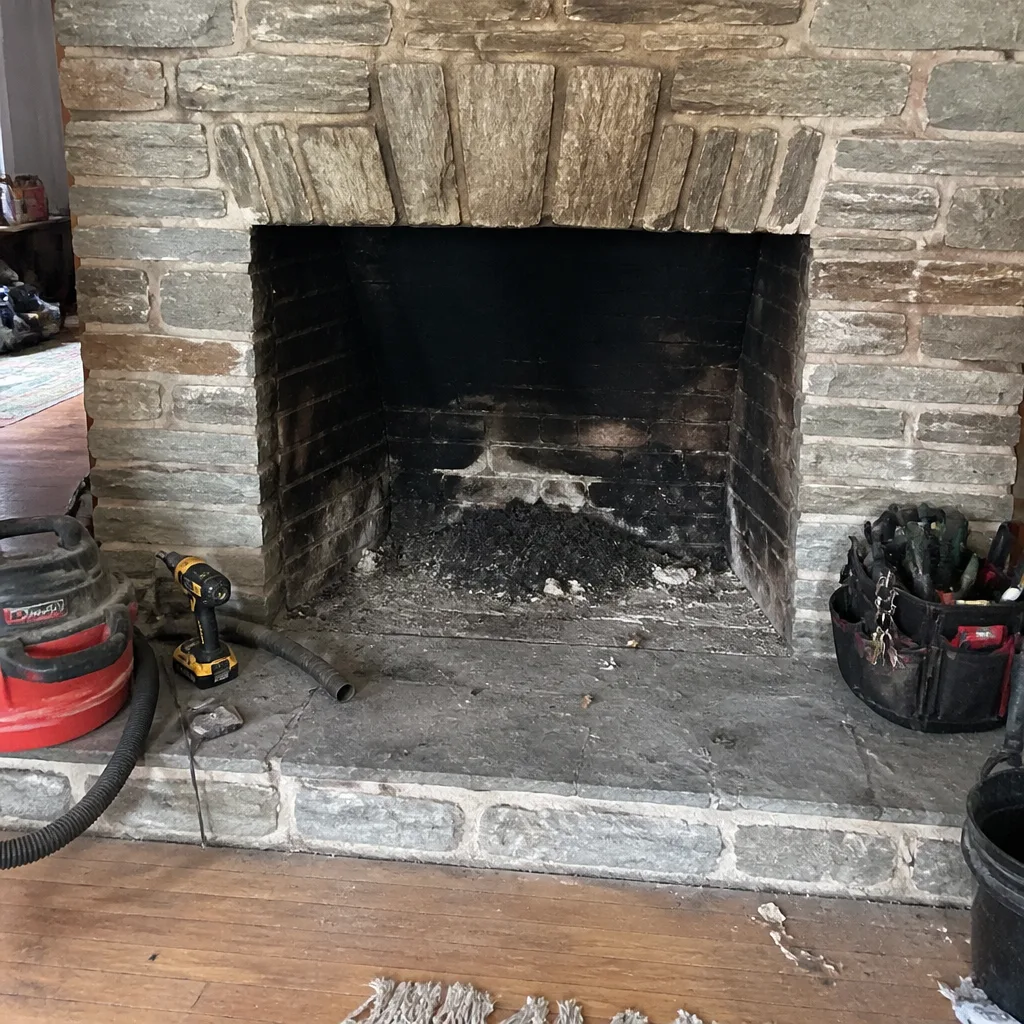 Before
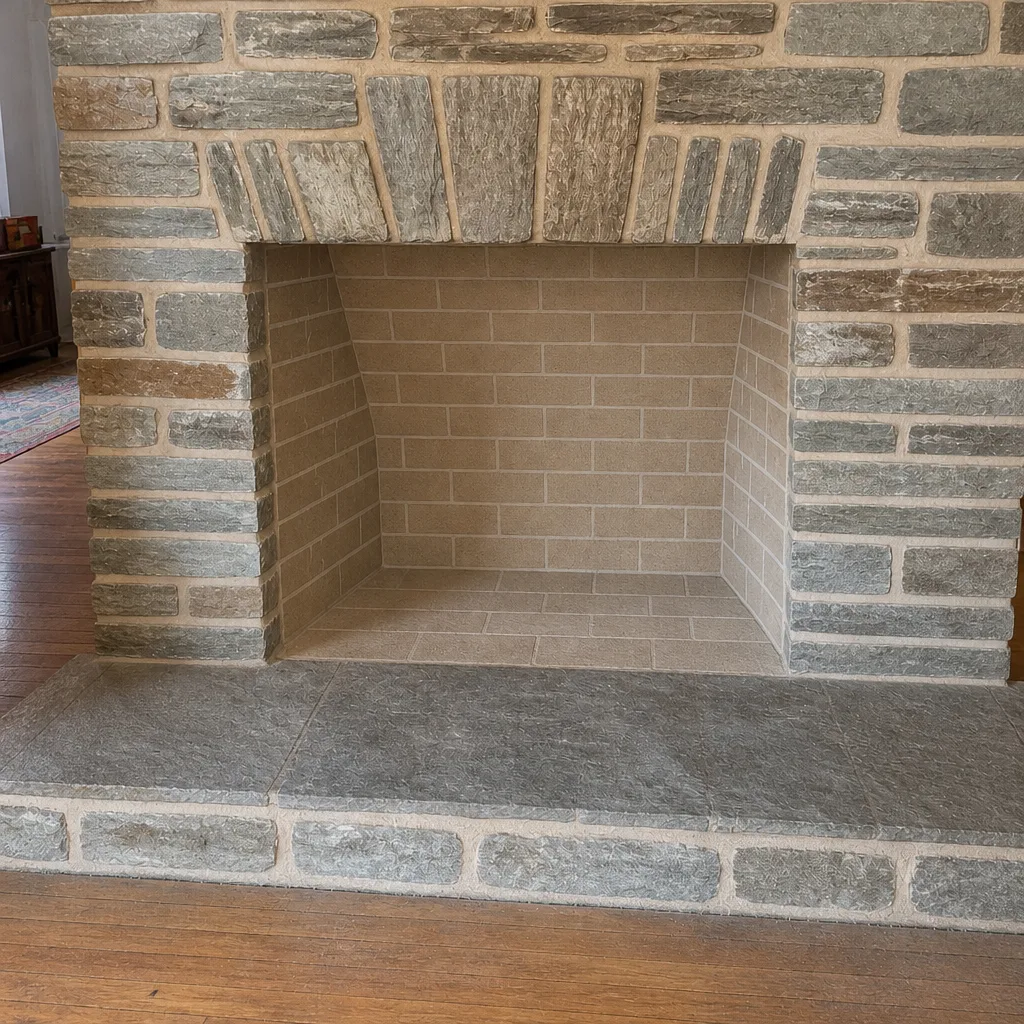 After
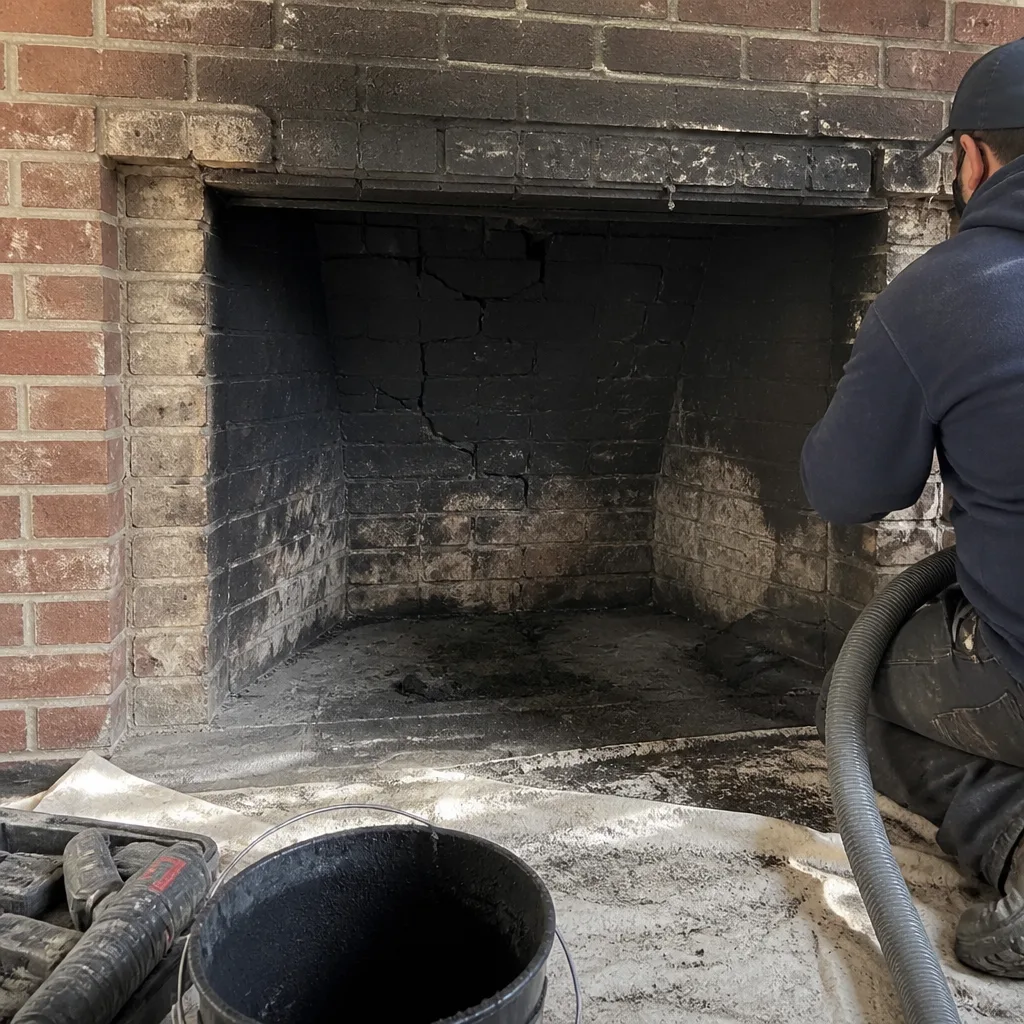 Before
 After
 Before
 After
When to Call a Professional
Call a professional if you’re selling the property and haven’t had a Level 2 inspection, if you’re adding a wood stove or insert, or if a prior technician flagged the liner or crown without showing you why. Call if a chimney has experienced a fire or a strong odor after it, if smoke backs into the room when the fireplace is lit, or if your homeowner’s insurer is asking for documentation you don’t have. Those situations all warrant a trained specialist, and none are good candidates for do-it-yourself work: liner sizing, clearances, and NFPA 211 compliance are where a job goes wrong quietly. Chimney Sweep Port Richmond offers free estimates in Port Richmond at (833) 754-6815. We answer 24/7, and fast dispatch runs 7am to 7pm.
Frequently Asked Questions
No. Chimney cleaning and inspection are maintenance and don’t require a permit in Port Richmond or anywhere in Pennsylvania. A permit is typically triggered when the chimney system itself is changed: installing or replacing a liner, rebuilding a crown, or adding a stove insert or new appliance. Call (833) 754-6815 for a free estimate if you’re not sure which category your job falls into.
A Level 2 inspection is required under NFPA 211 at the sale of a property, after any change to the appliance connected to the chimney, and after a chimney fire or similar event. It’s a camera-assisted, documented inspection of the full accessible system, not a visual check from the roof. Call (833) 754-6815 to schedule one – estimates are free.
In most cases, no. A liner installation or replacement is construction work on the chimney system, and the City of Philadelphia’s Department of Licenses and Inspections typically requires a permit. Installing without one can void the liner’s manufacturer warranty and create an uninsurable condition if a fire occurs. Call (833) 754-6815 to talk through what your liner job requires.
Only a camera inspection confirms whether a flue has a functional liner. Port Richmond’s older brick chimneys are sometimes unlined or have failed clay tiles that look intact from the roof. A camera pass during a routine sweep is the fastest way to know. Call (833) 754-6815 to set one up.
Keep the written report that states the inspection level, the date, the address, the findings with photos or video, and an opinion on condition. Insurers and buyers both want to see it, and the original is harder to replace than a scan. If you don’t have one from a prior inspection, call (833) 754-6815 for a free estimate on a fresh inspection.
It depends on how the job is described and what L&I expects, because restoration resurfaced the existing flue rather than installing a new liner. It’s worth a call to the city before scheduling. We can walk through the specifics of your flue at (833) 754-6815 – estimates are free.
The Bottom Line
Chimney cleaning in Port Richmond is permit-free. The moment the job changes the chimney system – liner, crown, insert, rebuild – a permit from Philadelphia L&I is typically required, NFPA 211 comes into play, and a Level 2 inspection becomes the document you’ll want on file for your insurer and a future buyer. Port Richmond’s older housing stock, with unlined flues and cracked clay tiles, makes those documentation questions more common here than in newer neighborhoods. Keep the report. Verify the brand and model of what’s installed. Ask before the job whether a permit applies, not after. If your situation needs a full-system look, call (833) 754-6815. We answer 24/7, dispatch runs 7am to 7pm Sunday through Friday, and estimates are free.
Written by the team at Chimney Sweep Port Richmond.