
Last updated November 22, 2026
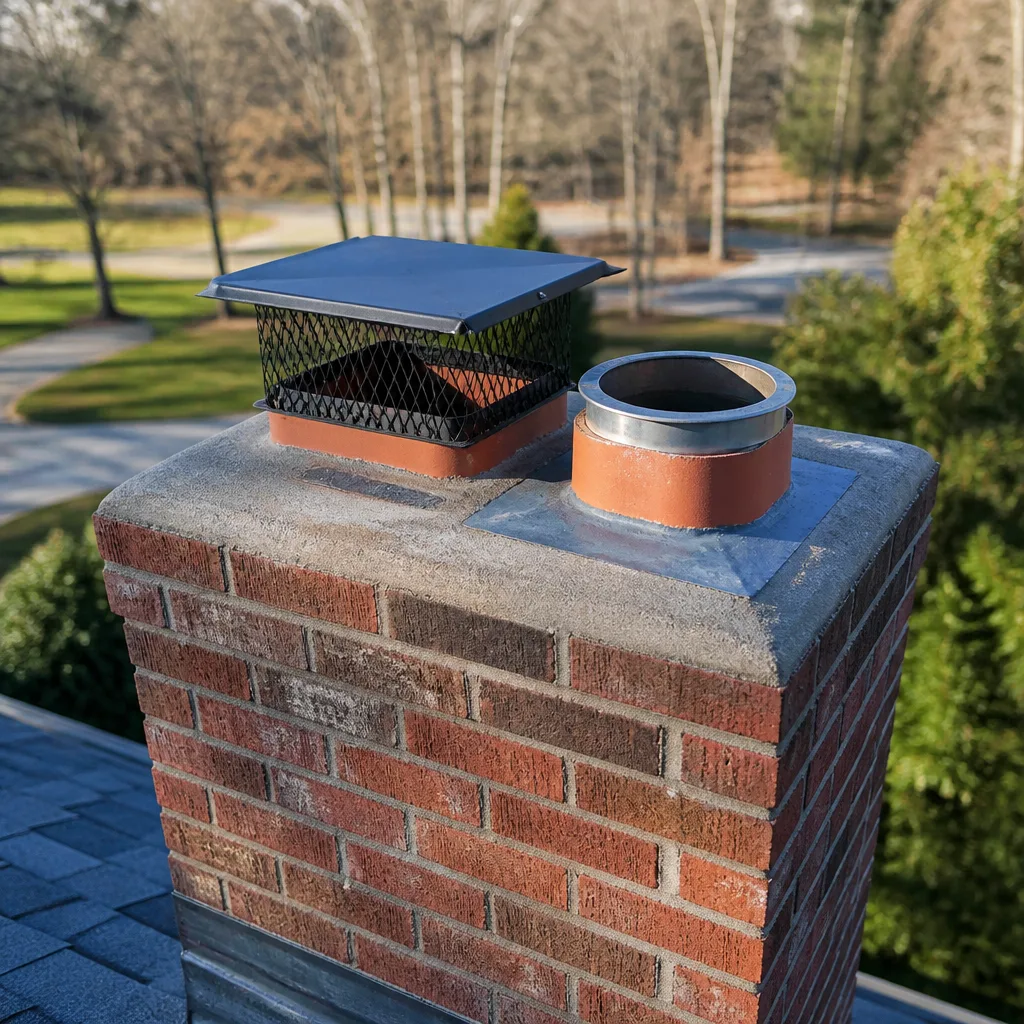 Sweep & inspection
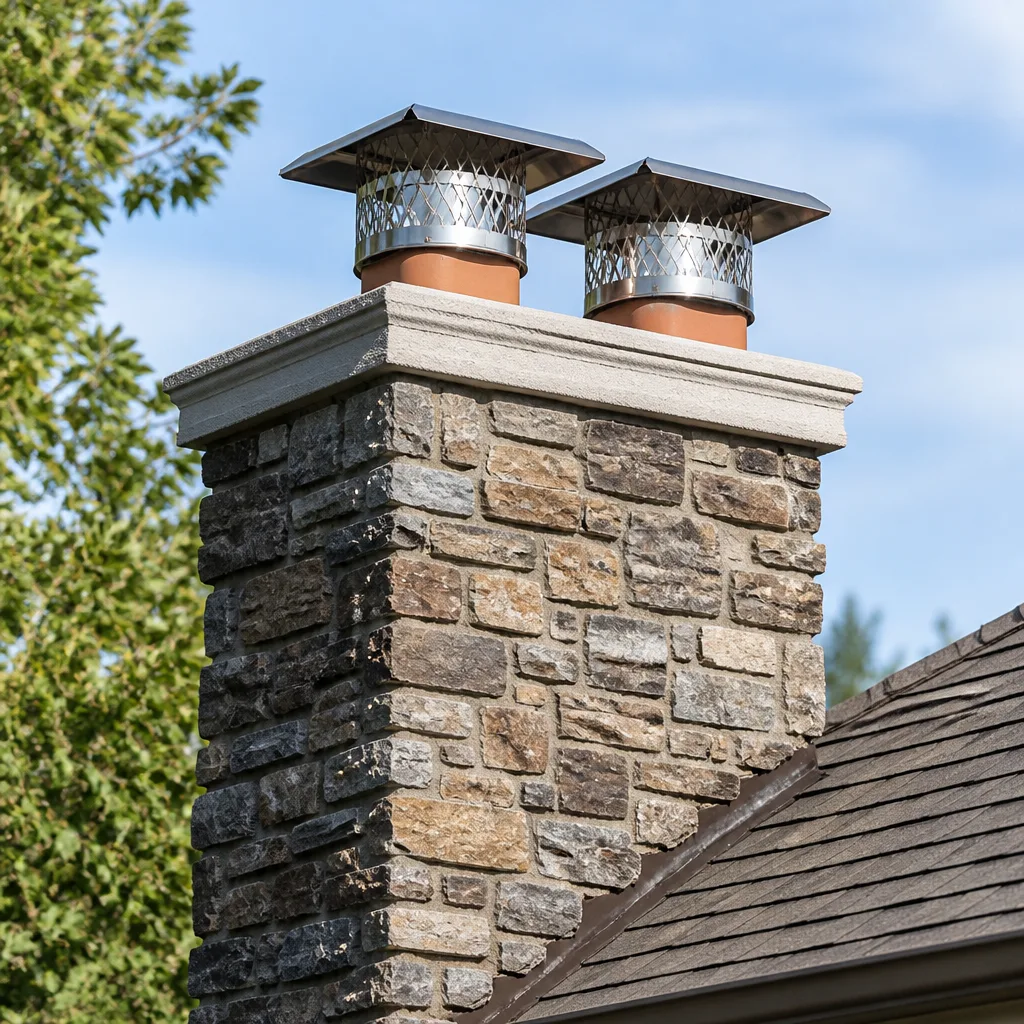 Caps & crowns
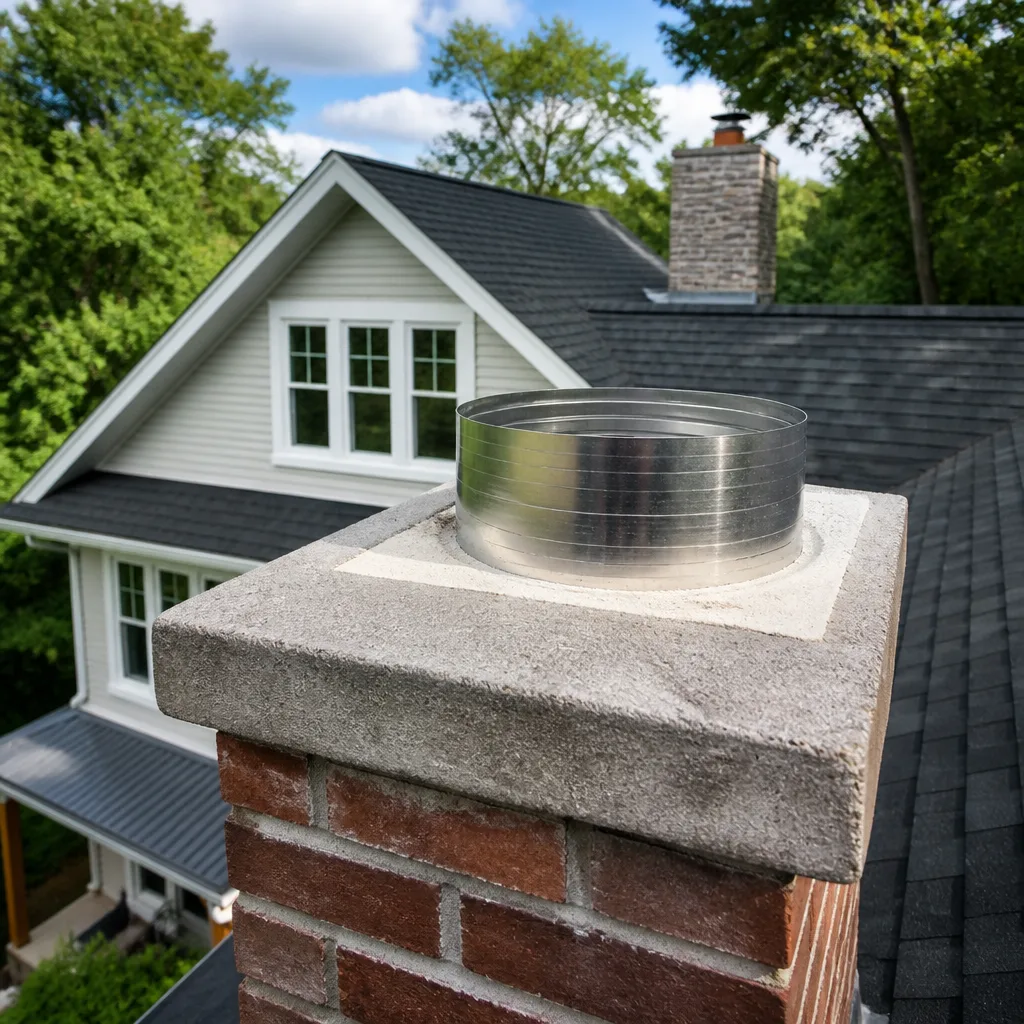 Flue relining
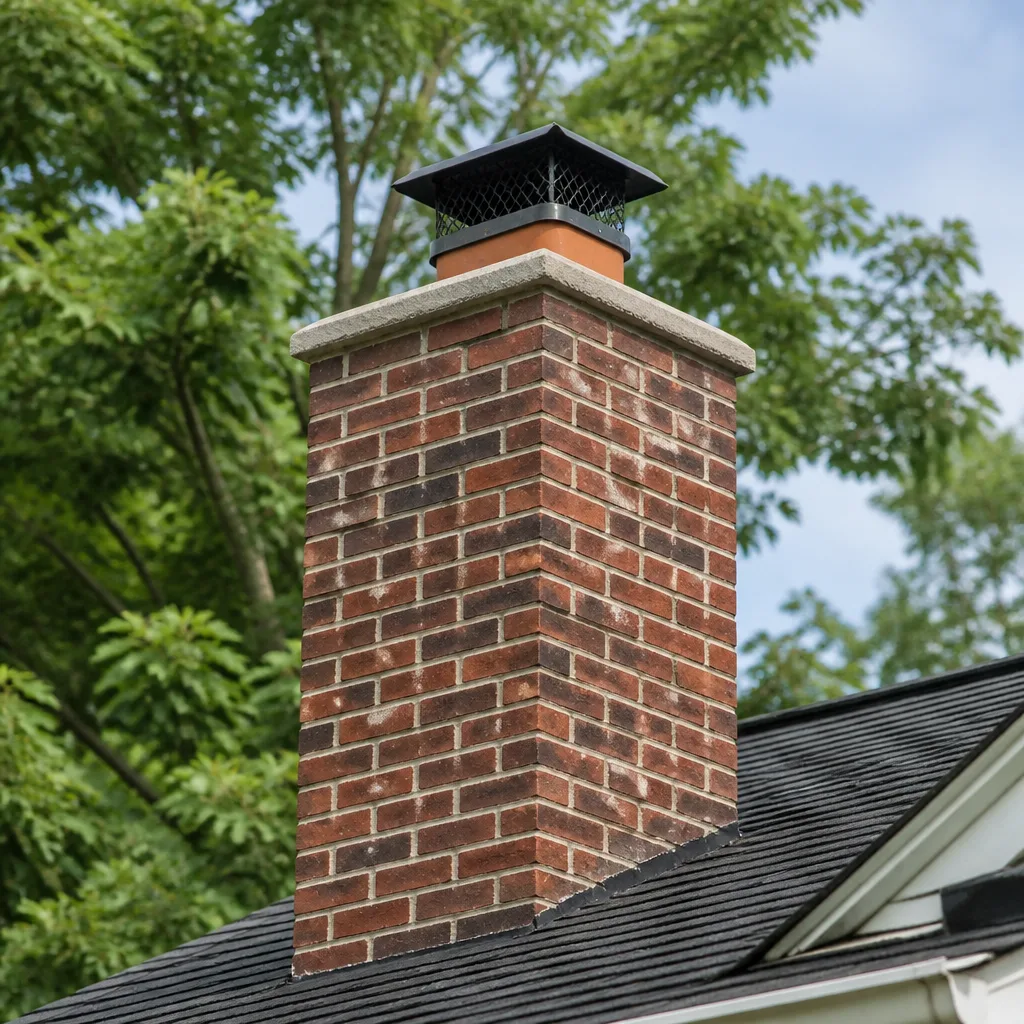 Masonry repair
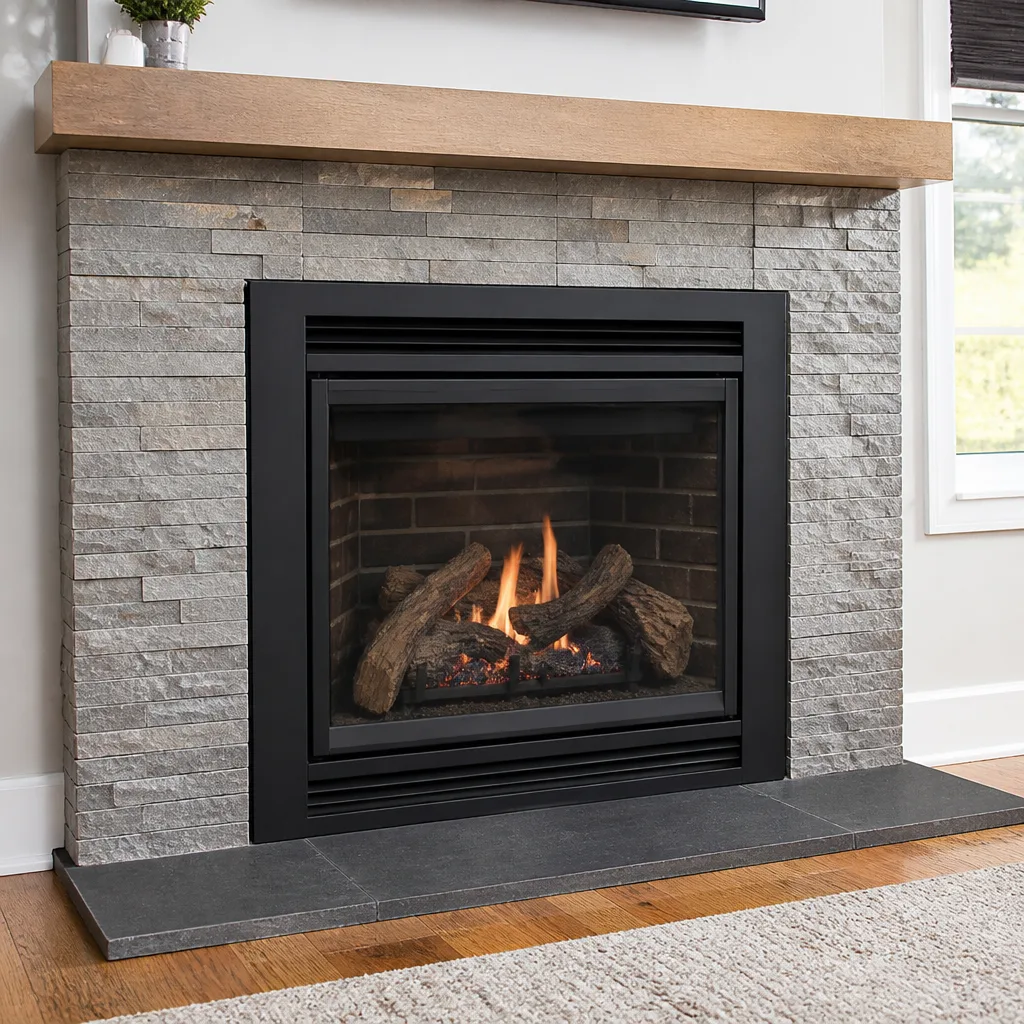 Gas fireplace service
Level 1 sweep and inspection to the NFPA 211 annual standard - flue, crown, cap, and flashing checked and photographed
Chimney sweep logs do not sweep chimneys. They loosen some creosote - which then falls where a brush and vacuum still have to collect it.
Choosing the Right Chimney Cleaning Brand: A Buyer’s Guide for Port Richmond
There is no universal “chimney caulk.” That single fact trips up more Port Richmond homeowners than almost anything else we explain on an estimate. The gap between a tube of hardware store silicone and a system-rated product like HeatShield Cerfractory Flue Sealant is the difference between a patch that fails in a couple of seasons and a repair engineered to last. The brand going into your chimney matters as much as the technician applying it, and most contractors won’t volunteer that. This guide names the product categories worth asking about, the brands that hold up, and the questions that separate a full-system chimney company from a sweep-and-run operation.
Quick Answer
The right chimney cleaning and repair brands are the ones with documented temperature ratings, ASTM testing, and UL listing behind them: HeatShield for flue and smoke chamber resurfacing, DuraFlex and Olympia Chimney for stainless liner systems, Gelco and Famco for caps and chase covers, and Copperfield for crowns and masonry components. A contractor who can name the brand and the standard it meets is showing you their work is spec-driven. A contractor who says “a good sealant” and moves on is telling you something too.
Styles & brands we work with
- Sweep & inspection
- Caps & crowns
- Flue relining
- Masonry repair
- Gas fireplace service
Table of Contents
- Why the Brand in Your Chimney Matters More Than the Quote
- The Five Product Categories Every Full-System Company Should Use
- How to Ask a Contractor What Brand They’re Using
- Stainless Liner Systems: Why Alloy Grade Matters for Your Appliance
- What “Professional-Grade” Actually Means in Chimney Materials
- Why Port Richmond’s Older Chimneys Need Vapor-Permeable Crown Coatings
- Red Flags in a Chimney Quote
- How to Verify a Product Meets the Standard
Why the Brand in Your Chimney Matters More Than the Quote
Chimney materials live in one of the harshest environments in a house. Hot flue gases on one side, cold exterior air on the other, moisture cycling through masonry season after season. Specifying a product for that environment is a real engineering decision, and the brand name is usually the fastest way to know whether that decision was made carefully or skipped.
When a contractor quotes a repair, the number on the page reflects the labor plus whatever material they plan to install. Two quotes for the same job can differ by hundreds of dollars simply because one bidder is using a system-rated product and the other is using a generic substitute. The homeowner sees the price difference; the chimney feels the material difference for years afterward.
Here’s what we mean in practice:
- Surface prep and sealant chemistry. Smoke chamber resurfacing done with a purpose-made refractory compound behaves very differently from a generic mortar skim coat.
- Liner alloy and wall thickness. A stainless liner that meets the appliance’s requirements will outlast one that technically fits but doesn’t meet spec.
- Crown materials. Flexible crown coatings move with the masonry; rigid cement patch mixes crack at the seams.
- Caps and chase covers. A fabricated stainless cap from a chimney supplier is not the same object as a galvanized hardware store cover.
Port Richmond’s housing stock makes this a live question on most properties. The neighborhood’s older rowhouses and detached homes have masonry chimneys that have already cycled through decades of freeze-thaw, and every repair is effectively a decision about how many more decades the assembly has left. The brand of product going in is the variable most homeowners can still control.
This guide covers the five material categories that come up on almost every full-system chimney job, the brands we work with, and the specific questions that will tell you whether the person in front of you knows what they’re installing. If you want to start with the sweep itself, our chimney sweep page walks through what a proper cleaning involves before any product decisions get made.
The Five Product Categories Every Full-System Company Should Use
A chimney is not a single object. It’s a stack of components, each doing a different job under different conditions, and each with its own correct material. When we evaluate a chimney on a Port Richmond property, we sort the findings into five categories. If a contractor can’t tell you which of these five applies to your repair, that’s a signal the diagnosis is still shallow.
1. Flue Sealants and Resurfacing Compounds
This category addresses cracks, spalling, and gaps in the flue liner itself. HeatShield’s Cerfractory Flue Sealant is the product most often specified here because it’s applied as a resurfacing layer inside the flue and is engineered for the temperature range a flue actually sees. It’s a repair system, not a patch, and the distinction matters when the underlying clay tile is still structurally present but no longer gas-tight.
2. Smoke Chamber Parging Compounds
The smoke chamber is the sloped area just above the damper. It’s also the part of the chimney most commonly left rough by original construction, which creates turbulence and gives creosote an easy place to accumulate. Purpose-made parging compounds smooth that surface and are rated for the heat of the chamber. Generic mortar is not.
3. Liner Systems
Stainless liner systems (DuraFlex and Olympia Chimney are the two we work with most) carry the flue gases from the appliance to the top of the chimney. The system includes the liner, the top plate, the appliance connector, and the insulation, and the brand name on the box tells you the assembly was engineered together rather than assembled from mismatched parts.
4. Crown Coats
The crown is the concrete cap at the top of the masonry stack. Its job is to shed water away from the chimney body, and when it cracks, water goes into the masonry instead. Copperfield crown systems and flexible crown coatings like CrownCoat are designed to bridge small cracks and remain vapor-permeable. That last property is the one most often missed and the one that matters most in Port Richmond. We cover it in detail further down.
5. Caps and Chase Covers
A chimney cap does more than keep rain out of the flue. It keeps birds, squirrels, and sparks where they belong, and it protects the top of the chimney from direct water intrusion. Gelco and Famco fabricate purpose-built stainless caps and chase covers sized to the flue configuration. The alternative is a sheet metal cover improvised on site, and those fail at the fasteners within a few seasons.
Each of these categories connects to a specific repair, and each repair connects to the broader condition of the chimney. If you’re at the stage where the sweep is done and the findings are in, our chimney repair page goes deeper on what each repair actually involves.
How to Ask a Contractor What Brand They’re Using
The question is simple and the answer tells you a lot. Ask it early, before the estimate, and listen for specificity. “We use a high-quality sealant” or “a professional-grade material” is not a real answer. The correct answer names a product, a manufacturer, and ideally the standard the product is listed to.
Try a sequence like this on your next quote:
- “What brand are you planning to use for this repair?” A specific brand name is the baseline. Listen for HeatShield, DuraFlex, Olympia Chimney, Gelco, Famco, or Copperfield. If you get a category instead of a brand, ask again.
- “What’s the temperature rating on that product?” Flue components have published ratings and the answer should be a number, not “it’s rated high enough.”
- “Is it UL listed for this application?” Most system-rated products carry a UL listing specific to the application. The contractor should know this without checking.
- “Have you installed this system before on a chimney like mine?” Experience with the specific product matters as much as the brand on the box.
- “Can you show me the product spec sheet?” Manufacturers publish these freely. A contractor with the sheet on hand is a contractor who’s used the product repeatedly.
We’ve found that homeowners who ask these questions get clearer quotes and fewer change orders, and they also tend to have more confidence in the recommendation. That confidence is the whole point. You shouldn’t have to take “you need a new liner” on faith. You should be able to see the flue condition on camera, understand which product addresses it, and know the brand and standard it meets.
If a contractor answers these five questions in a way that leaves you with as many questions as you started with, that’s a useful data point. It’s also a good moment to get a second opinion from a company that can name its materials. We’re happy to be that second opinion, and our estimates in Port Richmond are free.
Stainless Liner Systems: Why Alloy Grade Matters for Your Appliance
Not all stainless steel is the same stainless steel, and the liner your chimney needs depends on what’s burning in it. There are two alloy grades used in residential chimney liner systems, and the choice between them is not cosmetic.
316 Alloy
316 stainless is the higher-alloy grade, with molybdenum added to resist corrosion from sulfur compounds and acidic condensates. It’s specified for oil and coal appliances, and it’s often used on wood-burning appliances in coastal or higher-moisture environments. In a chimney liner context, 316 is the “more resistant” option.
304 Alloy
304 stainless is the standard grade, and it’s correct for natural gas and most wood-burning appliances where the flue gas chemistry is milder. It’s a workhorse alloy and plenty durable when the appliance and fuel match its intended use. The mistake is using 304 where 316 is actually called for, which shortens the liner’s life quietly and out of sight.
Why the Difference Shows Up in Your Chimney, Not the Quote
When a contractor substitutes 304 for 316 to hit a lower price, the liner still passes inspection on install day. The alloy difference shows up years later, as pitting and eventual failure at the flue gas condensate line. You won’t see it happening. The first indication is usually a sweep that turns up corrosion, or a chimney that starts drafting poorly. Specifying the correct alloy at the quote stage is the only cheap moment to get this right.
Flexible liner systems like DuraFlex have another property worth knowing about: they can be installed through offsets and irregular flue paths that rigid liner can’t pass. Port Richmond’s older masonry chimneys frequently have exactly those configurations, which is why flexible systems are such a common answer here. A crew that only stocks rigid liner will tell you your chimney needs to be rebuilt to accept it. That’s not always true, and it’s worth a second look before that decision is made.
If a liner replacement is on the table and you want to talk through the options and materials, our chimney repair page covers the liner discussion in detail. You should be able to see the flue condition on camera before any decision gets made.
What “Professional-Grade” Actually Means in Chimney Materials
The phrase “professional-grade” gets used loosely in the trade. In chimney work, it should mean three specific things, and you can check all three.
- Temperature rating. The material should have a published maximum service temperature that matches the appliance it’s going behind. A wood-burning flue can see temperatures that would destroy hardware store sealants, and the product data sheet should say so plainly.
- ASTM testing. Relevant chimney products are tested to ASTM standards for the material class, and the manufacturer will state which standard on the spec sheet and often on the container. This is what separates a purpose-made refractory compound from a general masonry product.
- UL listing. The full assembly, not just the material, is often UL listed for the application. A UL listing for a liner system covers the liner, top plate, and connector together, and it’s what informs code compliance on the install.
These three checks all sit on paper you can request from the manufacturer. Nothing about them is proprietary. Any company installing a system-rated product should be able to point you to the documentation on request, because the documentation is part of what makes the product trustworthy in the first place.
What “Professional-Grade” Does Not Mean
It does not mean the product is expensive. It does not mean the contractor is a specialist by virtue of using it. And it definitely does not mean “made for professionals” on a hardware store label. The materials we work with (HeatShield, DuraFlex, Gelco, Famco, Olympia Chimney, Copperfield) each carry published specs because each is engineered for a specific fire and moisture environment. That’s the useful definition.
When we specify a product on a Port Richmond chimney, we’re making a decision about how long the repair will hold. Our technicians have up to 12 years of experience specifying and installing these systems, and we’ve seen what happens when a cheaper substitute gets used. The consequences are usually invisible until the next sweep.
Why Port Richmond’s Older Chimneys Need Vapor-Permeable Crown Coatings
This is the piece most homeowners miss, and it’s the reason CrownCoat-style flexible coatings exist. Port Richmond’s masonry chimneys were built to breathe. The brick and mortar absorb some moisture from the flue gases and from the weather, and they release it back out through their surfaces. That cycle is normal and the masonry is designed to survive it.
When you seal the chimney with a waterproof coating that traps that moisture inside, the water stays in the masonry through the freeze-thaw cycle. In Port Richmond, that cycle happens repeatedly through the winter. Water expands when it freezes, and expanding water inside a brick or a mortar joint has nowhere to go but out. The result is spalling brick, popped mortar joints, and a chimney body that slowly opens up at the seams. A sealer that “protects” the chimney from water can actually destroy it from the inside out.
What Vapor-Permeable Means in Practice
A vapor-permeable coating allows water vapor to escape while stopping liquid water from entering. Flexible crown coatings like CrownCoat are engineered to do exactly that, and they’re also formulated to bridge the small cracks that the freeze-thaw cycle produces at the crown. The product flexes with the masonry instead of fighting it, which is the correct behavior for a chimney in a freeze-thaw climate.
Compare this to a rigid cement crown patch. The patch rings stiff, the masonry below it moves, and a new crack appears at the patch boundary within a season or two. Compare it as well to a waterproof elastomeric sealer, which stops water from getting in but also stops water from getting out. The right answer for a Port Richmond chimney is a crown system that sheds water at the top and lets the masonry below breathe.
How to Tell Whether Your Crown Is Right for Your Chimney
Look for three things on the crown. First, whether the coating is flexible (it will give slightly under thumb pressure) or rigid (it will feel like concrete). Second, whether the surface is intact at the flue transition, which is where cracks start. Third, whether the crown slopes away from the flue, because a flat crown puddles water directly on top of the masonry.
For a closer look at the cap and crown system as a whole and how it fits together, our chimney cap & crown page walks through the components. If the crown is failing, the cap is usually in the same conversation, because both parts of the assembly protect the top of the chimney and both are affected by the same weather.
Red Flags in a Chimney Quote
A chimney quote should leave you with fewer questions than you started with. When it doesn’t, look for these specific warning signs.
- “A good sealant.” This is the brand question in disguise. If the contractor can’t name the product going into your chimney, you can’t verify it meets the standard your repair requires.
- Different brand on the invoice than on the quote. Some contractors quote a system-rated product and install a generic substitute when the crew arrives. Ask for the brand on the written estimate and check it against the invoice.
- No camera inspection offered. If your sweep findings are described in words but never shown to you on camera, you can’t verify what the recommendation is based on. Any company using system-rated materials should be comfortable showing you the flue.
- Waterproofing sealers marketed as chimney protection. On a Port Richmond masonry chimney, a fully waterproof sealer traps moisture in the masonry. Vapor-permeable is the correct standard.
- Crown patches described as permanent. Rigid cement patches fail at the boundaries. A long-term crown repair uses a flexible, vapor-permeable system, not a bag of mortar mix.
- Liner quotes that skip the alloy question. If the estimate doesn’t specify 304 or 316, you don’t know which appliance fuel the liner is actually rated for.
- Rebuild quotes with no liner option discussed. A flexible liner system can often bring an older flue back into service without a rebuild. If that option isn’t on the table, ask why.
None of these require you to be a chimney technician to spot. They all come down to specificity. Specific brand, specific standard, specific evidence. If any of those are missing, you’re being asked to take the recommendation on faith.
How to Verify a Product Meets the Standard
Verification is the part of the process most homeowners assume is out of reach. It isn’t. Every manufacturer publishes a spec sheet for their system-rated products, and the spec sheet is what you use to check the claims in a quote. The steps are short and useful on any chimney repair.
- Ask the contractor for the product name in writing. “HeatShield Cerfractory Flue Sealant” or “DuraFlex 316 alloy liner” is what you’re after. A brand category alone is not enough.
- Look up the manufacturer’s spec sheet. Most are published openly online. The sheet lists the temperature rating, the ASTM standard, and any UL listing the product carries.
- Match the rating to your appliance. A wood-burning insert and a gas fireplace have different flue gas chemistry. The spec sheet will tell you which the product is rated for, and the contractor’s recommendation should match.
- Confirm the brand on the delivery. When the material arrives on site, the brand and product name should appear on the packaging. This is where vague quotes go wrong, so it’s worth checking.
- Ask for the invoice record. A good contractor will provide the product record with the completed job. It’s a useful document to keep with your maintenance records, especially for a repair that should last decades.
We work with six professional-grade brands on this basis (DuraFlex, HeatShield, Gelco, Olympia Chimney, Famco, and Copperfield), and we can supply the spec sheet on any of them. That’s not a sales point; it’s the baseline for what “professional-grade” is supposed to mean. If you get a straight answer here, you get a clearer picture of what’s actually being installed.
Common Mistakes to Avoid
- Treating the sweep as the whole job. A sweep finds the problems; it doesn’t fix them. If the recommendation is a repair, the material behind that repair is the real decision, and it deserves its own conversation.
- Calling the cheapest waterproof sealer “protection.” On Port Richmond masonry, a moisture-trapping sealer can cause more damage than leaving the crown alone. Vapor-permeable coatings are the correct choice for the climate.
- Accepting a liner quote without checking the alloy grade. 304 and 316 are not interchangeable. The appliance and fuel determine which is correct, and the installer who skips the question has skipped a standard.
- Letting a contractor quote “a good sealant.” The brand is the evidence the product meets a standard. A vague answer on the material is a red flag on the whole job.
- Approving a rebuild before a flexible liner option is explored. Older Port Richmond flues often have offsets and irregular paths that rigid liner can’t pass. A flexible liner system can, and the cost difference is significant.
- Skipping the camera inspection. If you can’t see the flue condition on camera, you can’t verify the recommendation. Ask for the photo report and take the time to look at it.
- Mixing caps from a hardware store with a chimney that deserves a purpose-built one. A galvanized cover fails at the fasteners within a few seasons. A Gelco or Famco stainless cap is sized and built for the job.
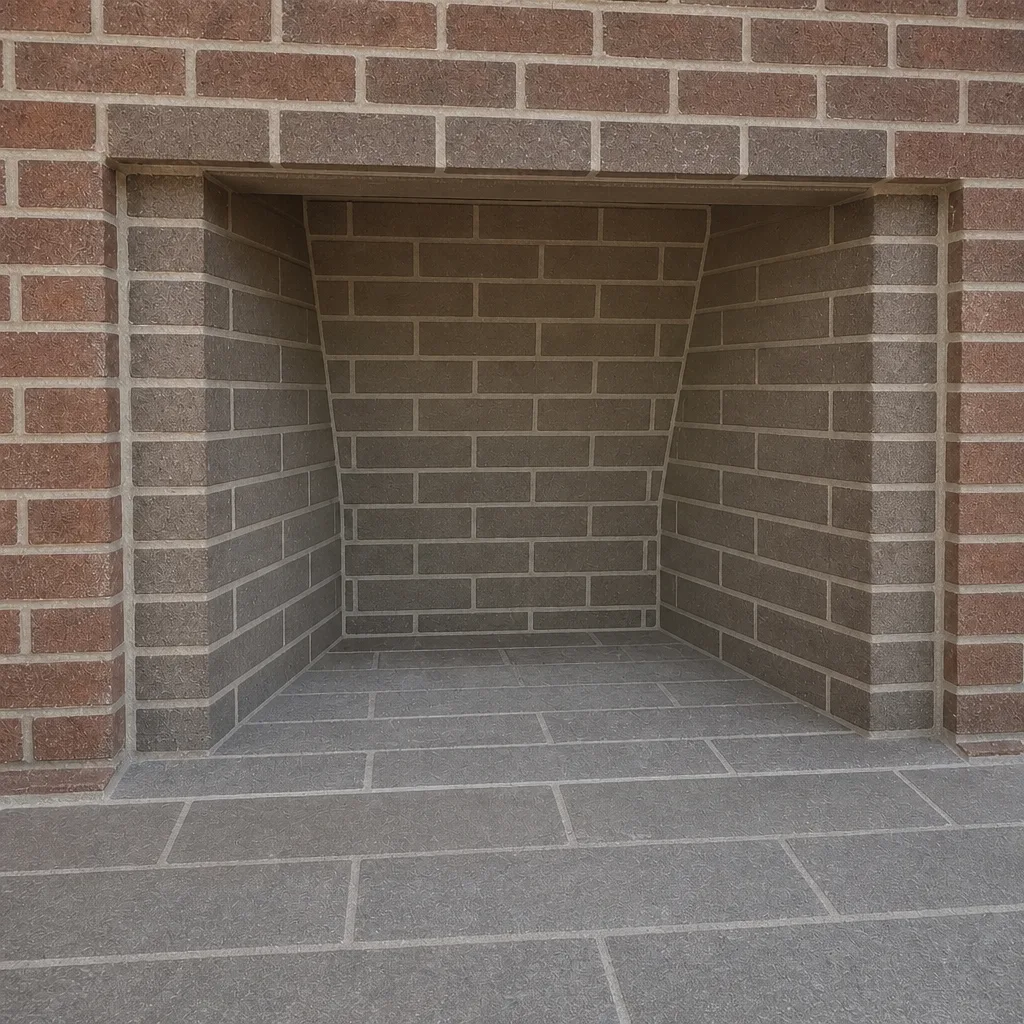
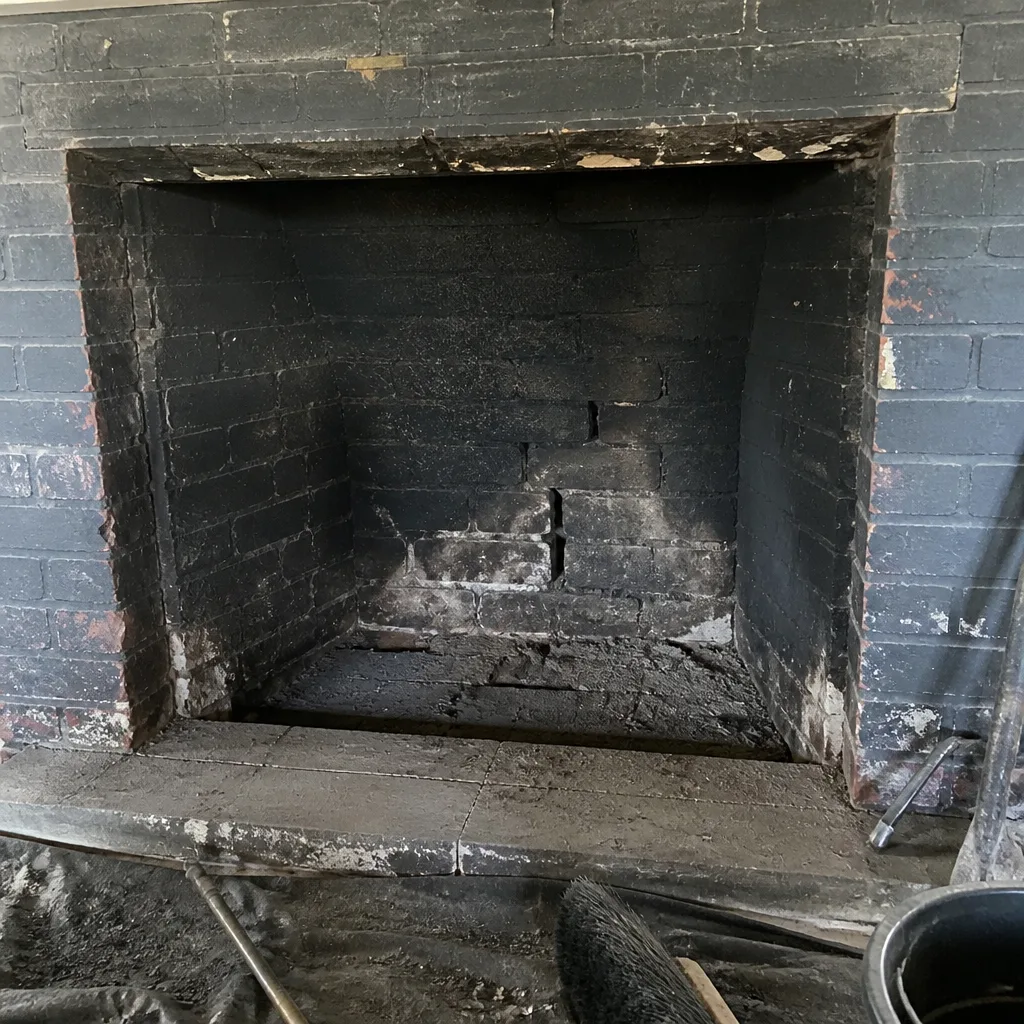
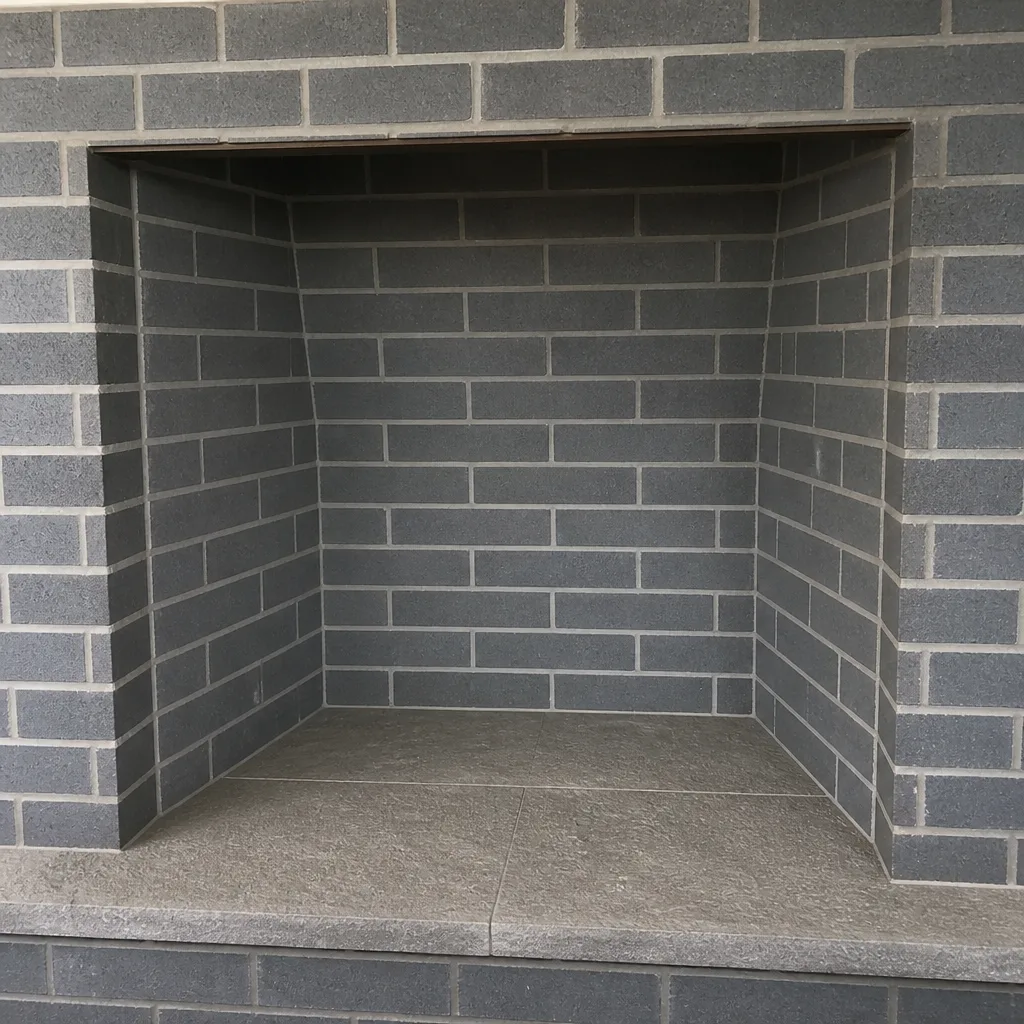
See the difference
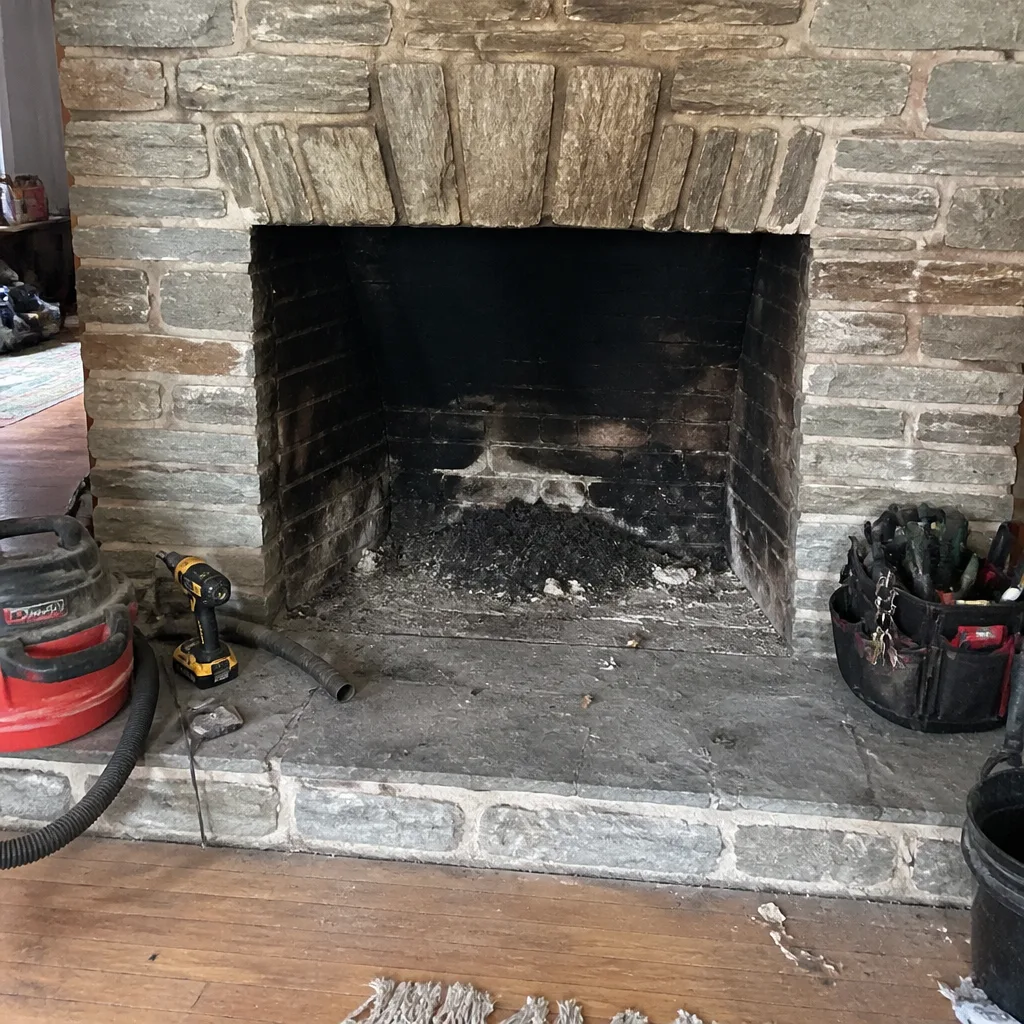 Before
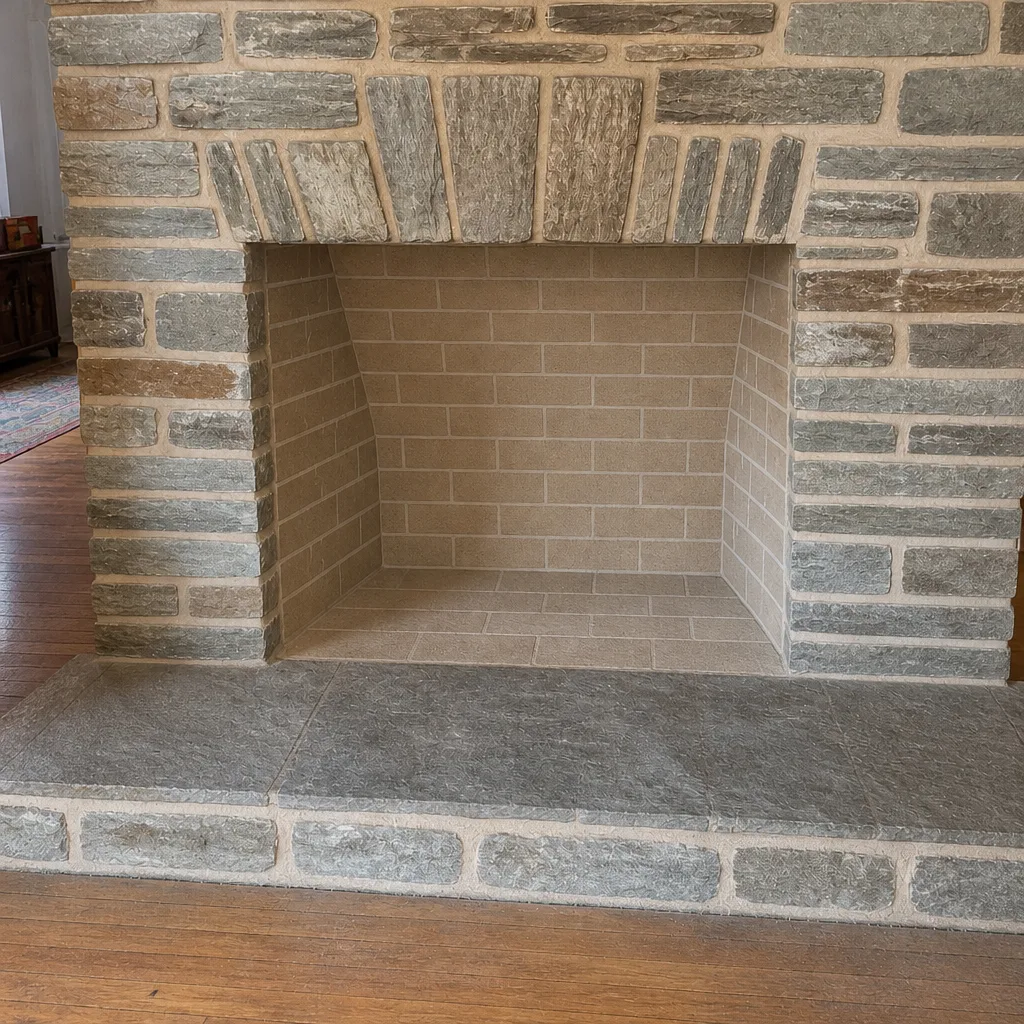 After
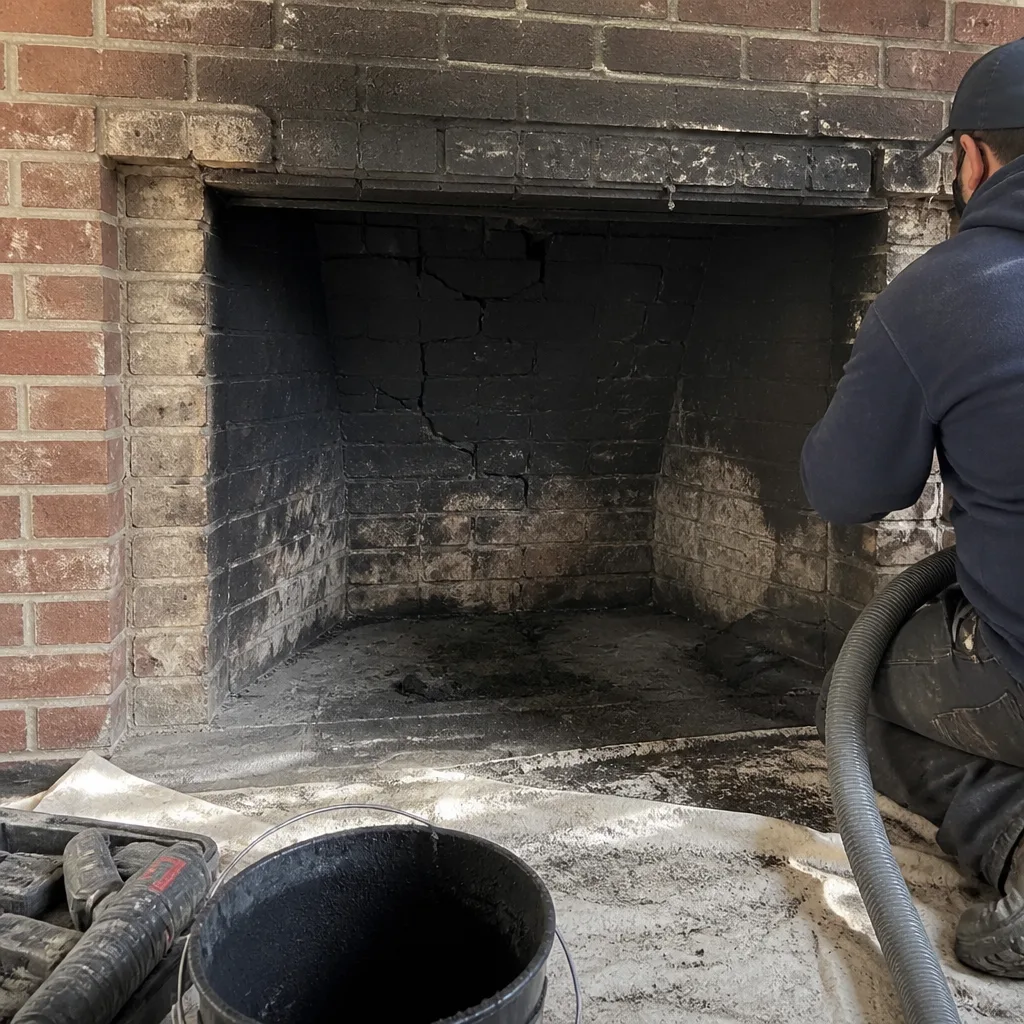 Before
 After
 Before
 After
When to Call a Professional
A chimney that hasn’t been swept in a season of heavy fireplace use is due for a look, and the sweep is the right starting point. A crown that shows visible cracks, missing mortar, or a surface that’s gone powdery is a sign that water has been getting in, and that’s a repair conversation. Any indication of a flue gas leak, smoke rolling back into the room, or a chimney that drafts poorly after a sweep is a reason to look at the flue itself. And if a contractor has told you that you need a liner replacement or a rebuild, getting a second opinion before you commit is just good sense.
We handle the full chimney system, from the firebox to the crown, and we can walk through the brand and material behind any repair before you approve it. Our technicians have up to 12 years of experience, and every recommendation we make comes with camera evidence you can see yourself. Chimney Sweep Port Richmond offers free estimates in Port Richmond; call (833) 754-6815. We answer 24/7. Fast dispatch from 7am to 7pm, Sunday through Friday.
Frequently Asked Questions
There isn’t one “best” brand, because the right product depends on the repair. For flue resurfacing, HeatShield’s Cerfractory Flue Sealant is the product most often specified; for liner systems, DuraFlex and Olympia Chimney are the two we work with; for crowns, Copperfield and flexible crown coatings; for caps and chase covers, Gelco and Famco. The common thread is that each product carries a published spec sheet with a temperature rating, an ASTM standard, and a UL listing for the application. Ask for the spec sheet and you can verify any brand yourself. Call (833) 754-6815 for a free estimate and we’ll walk through which product applies to your chimney.
Not for a repair that’s supposed to last. Hardware store silicone and general masonry caulk aren’t rated for the flue gas temperatures and condensate chemistry a chimney actually sees, so failures happen in a couple of seasons rather than decades. The system-rated products like HeatShield Cerfractory Flue Sealant are engineered for the specific environment and carry the documentation to prove it. The price difference at the quote stage is small compared to the cost of redoing the repair later. Call (833) 754-6815 if you’re unsure which product your repair needs.
Ask for the brand name and the spec sheet. A contractor who’s serious about materials will name the product, the manufacturer, and the standard it’s listed to without hesitation. A contractor who answers with “a good sealant” or “a professional-grade material” without naming the product is telling you they either don’t know or don’t want you to check. Both answers are useful information. The next question is whether they can show you the flue condition on camera, because that’s what the repair recommendation should be based on. Call (833) 754-6815 for a free estimate and we’ll go through the materials on your chimney in detail.
Port Richmond masonry chimneys are built to release moisture through their surfaces, and the freeze-thaw cycle here is the stress that masonry has to survive every winter. A fully waterproof sealer traps water vapor inside the masonry, which then expands when it freezes and causes spalling, popped mortar joints, and cracks at the crown. A vapor-permeable coating like CrownCoat lets the masonry breathe while still blocking liquid water, which is the correct behavior for a chimney in this climate. Flexible crown coatings also bridge the small cracks that appear at the crown itself. Call (833) 754-6815 if you want to know whether your current crown is doing this job.
Yes, because the two grades are rated for different flue gas environments. 316 stainless carries molybdenum for corrosion resistance against sulfur compounds and acidic condensates, and it’s the correct grade for oil and coal appliances. 304 stainless is the standard grade for natural gas and most wood-burning appliances. Installing 304 where 316 is correct shortens the liner’s life in a way that’s invisible until the next sweep turns up corrosion. If the liner quote doesn’t specify the alloy, ask, because the answer determines whether the liner matches the appliance. Call (833) 754-6815 for a free estimate on a liner replacement.
Often, yes. Older Port Richmond masonry chimneys frequently have offsets and irregular flue paths that rigid liner can’t pass, and a flexible system like DuraFlex can be installed through those configurations without demolishing the chimney. That can bring an out-of-service flue back into code-compliant operation at a fraction of the rebuild cost. Not every chimney qualifies, and the only way to know is to see the flue condition on camera. If a contractor has quoted a rebuild without exploring a flexible liner first, it’s worth a second opinion. Call (833) 754-6815 for a free estimate on your chimney’s options.
The Bottom Line
The brand of product going into your chimney is the part of the repair you can actually verify, and it’s the part most contractors won’t bring up on their own. The right questions (brand name, temperature rating, ASTM standard, UL listing) are short, and the answers are published. A contractor who can name their materials is showing you their work is spec-driven. A contractor who can’t is telling you something too. For Port Richmond’s older masonry chimneys, the brand decisions come up on almost every repair: vapor-permeable crown coatings that let the masonry breathe, flexible liner systems for non-standard flue paths, and purpose-built caps that hold up. Those are the products worth asking about before you approve the work.
If you want to walk through any of this on your own chimney, call (833) 754-6815 for a free estimate. We handle the full system, from the firebox to the crown, and we’ll show you the flue condition on camera before we recommend anything. We answer 24/7. Fast dispatch from 7am to 7pm, Sunday through Friday.
Written by the team at Chimney Sweep Port Richmond.